Claims of ESB overcharging to make 'super-normal profits' referred to Europe
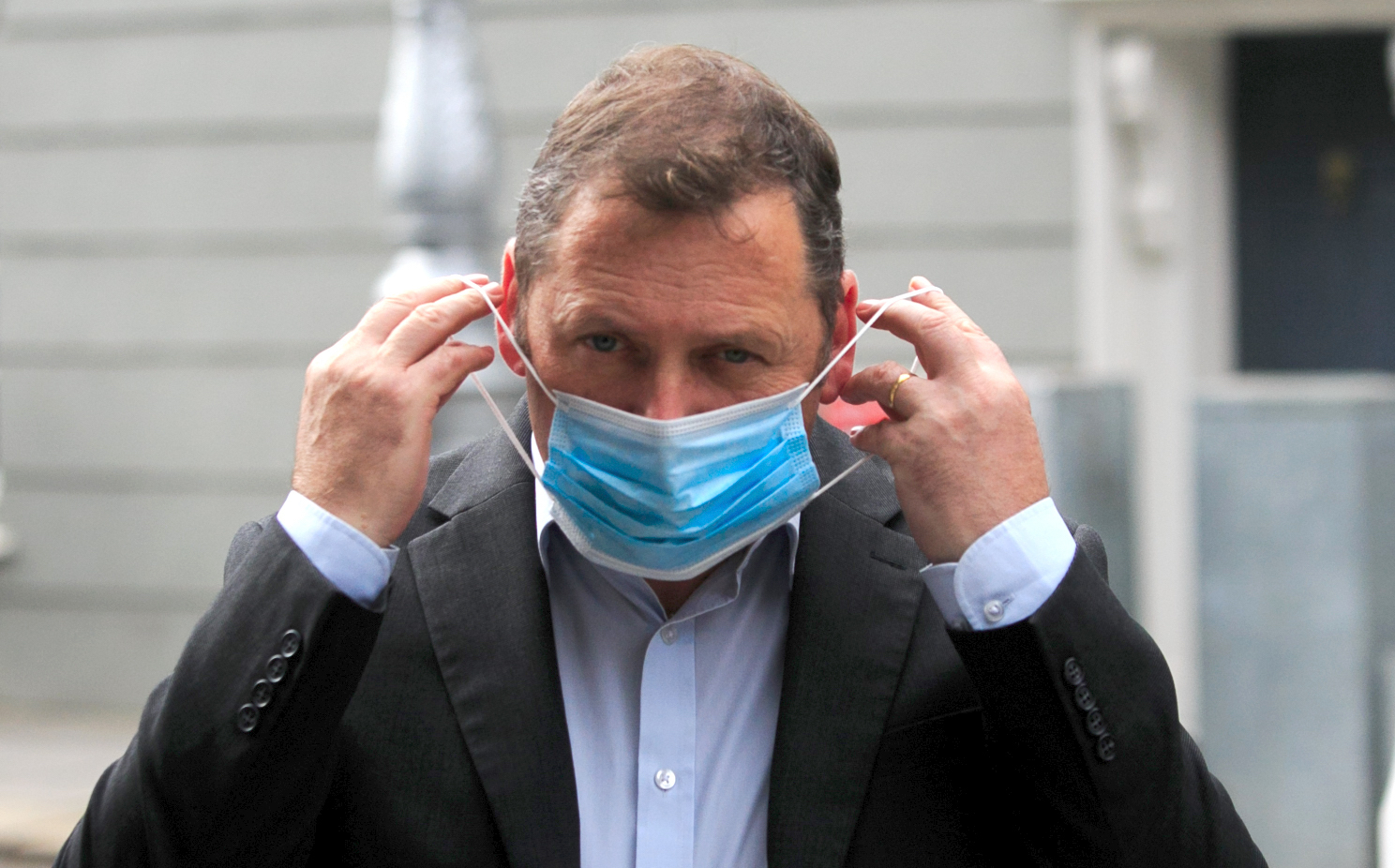
Fianna Fáil TD for Offaly and former Agriculture Minister Barry Cowen (pictured) has sent documents supporting his claims to the Commission for the Regulation of Utilities (CRU), European Competition Commissioner Margrethe Vestager, and the European Energy Commissioner Kadri Simson. Photo: Gareth Chaney/Collins
Claims that the ESB has overcharged customers and businesses by the tune of €250m over three months have been referred to European authorities, the can reveal.
Fianna Fáil TD for Offaly and former Agriculture Minister Barry Cowen has sent documents supporting his claims to the Commission for the Regulation of Utilities (CRU), European Competition Commissioner Margrethe Vestager, and the European Energy Commissioner Kadri Simson.
Mr Cowen claims the company’s wholesale prices added €250m to customers’ electricity bills between July and September last year, allowing it to make “super-profits”.
Unhappy with the response, to date, to his claims made under Dáil privilege before Christmas, Mr Cowen has now escalated the matter to European authorities.
The ESB has refuted allegations that it profited from last year’s electricity supply squeeze and that it kept bids for cash supports to build power plants deliberately low to deter likely rivals from entering the Irish market. The company has said it has written to the TD saying he should forward to regulators material that proves his claims.
Mr Cowen confirmed that he passed the information to the CRU. “I have already raised issues with the regulator that I think need to be investigated by the authorities that are there to do so,” he said.
The TD says households and businesses paid an extra €250m for electricity over three months this year as the State company earned “super-normal profits".
Under privilege, he said that he had obtained figures from the Integrated Single Electricity Market (ISEM) detailing movements in the benchmark wholesale power price for consumers and businesses.
“The report clearly shows that there has been a €250m increase in the price of electricity for consumers in three months until the end of September because the ESB has orchestrated and extracted super-normal profits,” Mr Cowen said.
Figures show that ESB gas-fired power plants earned gross profits of more than €138,000 an hour during periods of high demand for electricity in September.
Mr Cowen accused the ESB, which is a State company, of using the Republic’s shortage of generating capacity and its dominant position in the market to “increase tenfold the wholesale price of power”.
On its website, in response to Mr Cowen, the ESB published a series of papers that it says provides evidence to allow it to reject his claims and claims made by competitors.
“Despite our engagement with the media, and our efforts to engage with Deputy Cowen, the allegations, which appear to be based on limited understanding of how the electricity market operates, continue to be reported,” the company said.
“Reports on the matters have also made reference to a document or reports which has been made available to Deputy Cowen and/or the media – which ESB has not seen.”
The ESB said it had prepared detailed statements addressing allegations about its wholesale electricity prices, power plant capacity auction bids and a contract it was awarded for emergency generation last year.
In a statement to the , the CRU said it can confirm that it has received a number of complaints in relation to a market participant and the Regulatory Authorities are investigating these complaints to consider all of the issues. It is believed this market participant is the ESB.
“While this process is ongoing, in the interests of preserving the integrity of the process and the confidentiality of the complainants and the market participant, the CRU is unable to comment further at this point in time,” the CRU said.
“If breaches of market or competition rules are established, appropriate actions will be taken as set out in the licence terms and conditions for generators. This can include financial penalties and any enforcement actions would be made public,” it added.
CONNECT WITH US TODAY



Be the first to know the latest news and updates