Fine Gael and Greens on collision course over one-off rural housing
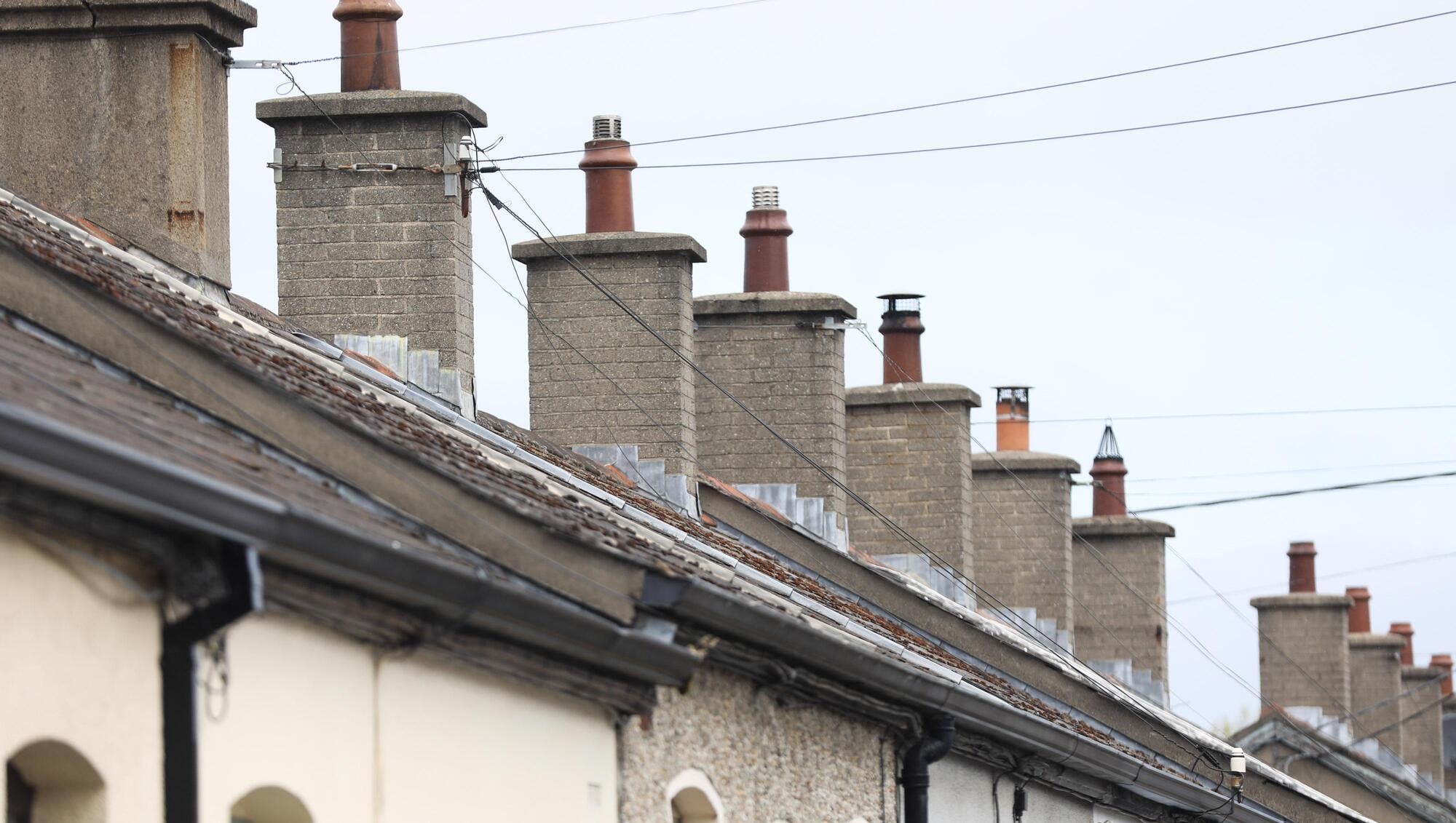
Differences in housing policy has been a political issue rumbling on this summer for the government. Picture: Leah Farrell / RollingNews.ie
The Green Party and Fine Gael are on a collision course over housing, with Leo Varadkar's party pushing one-off homes as a key part of solving the crisis.
The Green Party is strongly opposed to building large numbers of one-off rural houses, claiming this type of development has a social and environmental cost and has contributed to the hollowing out of rural towns.
However, Junior Housing Minister Peter Burke told a meeting of Macra na Feirme this week that there are no plans to restrict the number of one-off houses, and that he believes one in four new homes should be in rural areas outside towns and villages.
The Fine Gael TD said that he did not see one-off houses making up less than a quarter of home-building going forward.
“Rural housing has traditionally made up 25% of all housing output in this country and there are no plans to change this whatsoever," said Mr Burke.
“While we need to ensure there is a minimum threshold that is met to avoid irresponsible policy, there continues to be capacity within our National Planning Framework to allow for those who live and work in the countryside to build their homes close to their families and their place of work.
Fine Gael's coalition partners the Green Party have long called for restrictions on the building of solitary houses, with Mr Burke's colleague at the Department of Housing Malcolm Noonan in 2018 calling it "a huge headache and a ticking time bomb of rural isolation".
While Mr Noonan did not respond to a request for comment, the Green Party said that it strongly supports rural development "that rejuvenates our towns and villages and creates sustainable, connected and healthy communities.
"We believe this is best achieved through developments on serviced sites which provide planning certainty, as well as provide easy access to local services, shops, schools and employment," the spokesperson said.
"The party accepts that there will be some element of dispersed, one-off rural housing for those who have a genuine social, employment or economic requirement. However, there is a related social, environmental and economic cost that is borne not only by society and our environment but by those who live there, especially as they get older.
"Dispersed housing does not support local towns or villages but can often contribute to their decline. Consolidation and investment in our towns and villages is what is required to support rural communities."
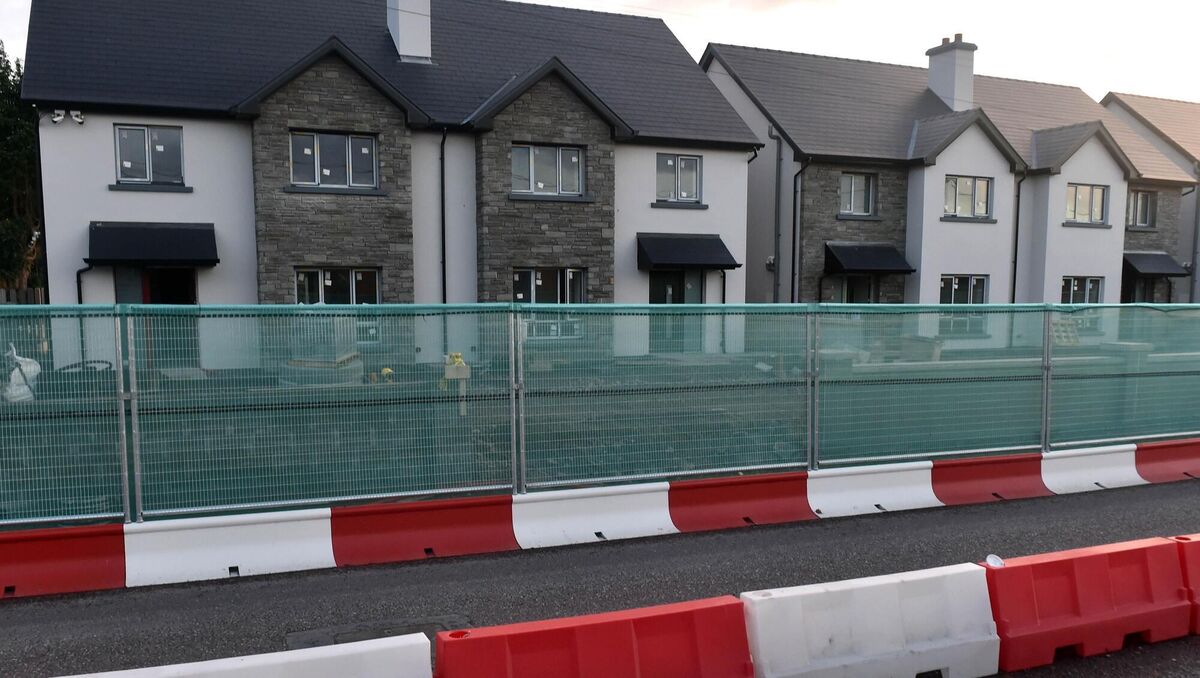
Mr Burke's comments have led to questions from some in the Green Party, who said that they had negotiated for the Town Centres First policy in the Programme for Government, something they called "a big win" in the talks.
That plan calls for "a strategic approach to town centre regeneration by utilising existing buildings and unused lands for new development and we will promote residential occupancy in our rural towns and villages."
One Green Party TD said that the Government could not support both policies.
"It's pulling in two opposite directions, but a town centres first approach works and can rebuild rural communities.
"You can't do one-off housing and rebuild town centres.
"It's completely self-defeating."
The Department of Housing said that the National Planning Framework (NPF) outlines the national strategy around development, saying that the document "fully supports the concept of the sustainable development of rural areas by encouraging growth and arresting decline in areas that have experienced low population growth or decline in recent decades, while simultaneously indicating the need to manage certain areas around cities and towns".
Updated Rural Housing Planning Guidelines are currently being prepared, with Mr Burke due to receive them in the coming weeks.

CONNECT WITH US TODAY



Be the first to know the latest news and updates