One year in Government: Greens peddle pragmatism after year of strife
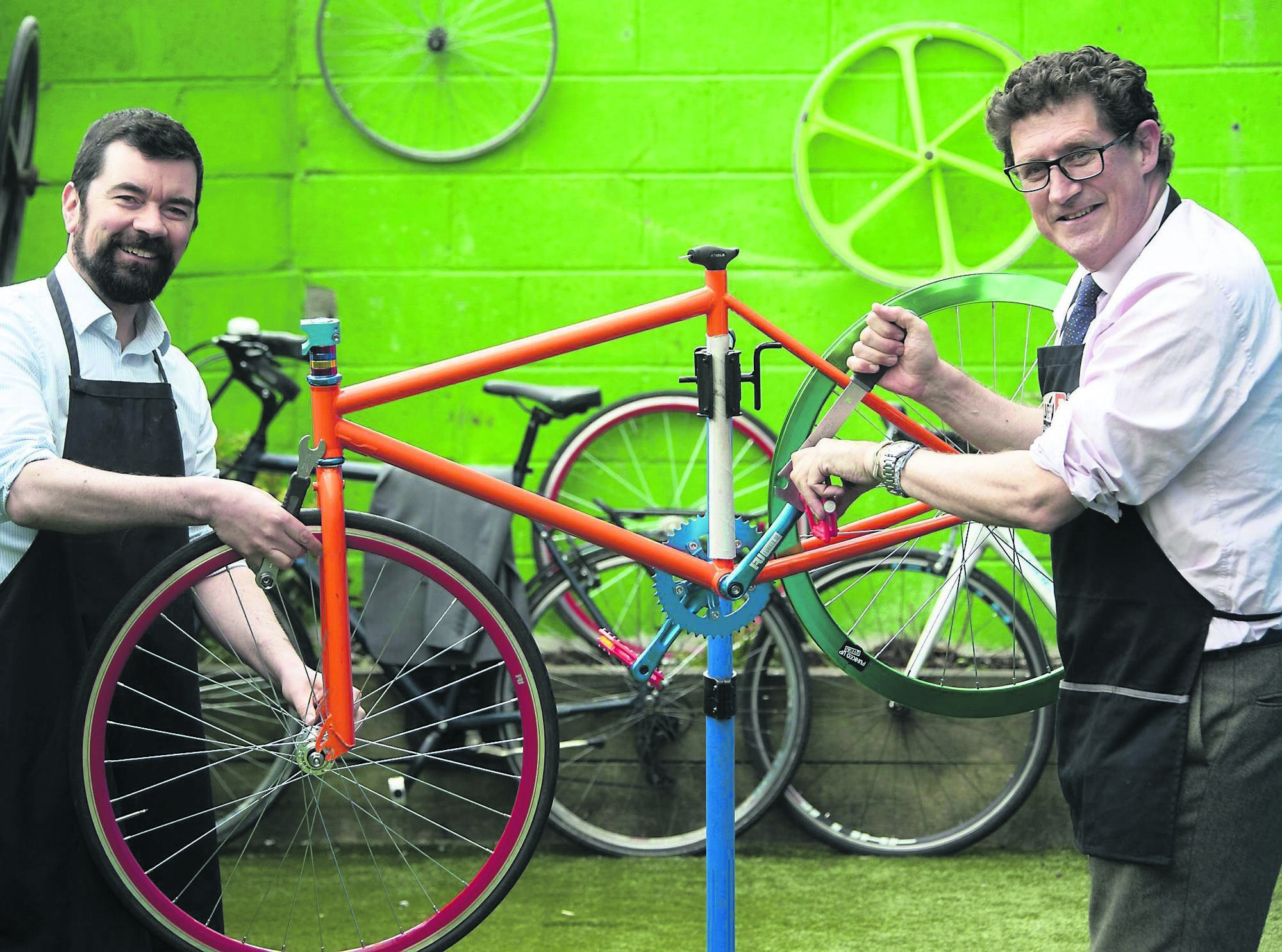
Minister of State at the Department of Rural and Community Development, Joe O’Brien, with Green Party leader Eamon Ryan. Mr O'Brien abstained from a Dáil vote on the Residential Tenancies Bill. The party handed down a two-month speaking ban on Mr O'Brien. Photo: Colin Keegan
Having surfed a Green wave to 49 council seats in 2019 and a previously unthinkable 12 Dáil seats in 2020, the Greens were riding high going into the summer of 2020.
An opinion poll taken just two weeks before the government was formed put the party at 12% of support, enough to seriously think about hitting 20 seats.
But the long days of summer gave way to a winter of discontent within the party and by February, polls were hovering between 3% and 5%. While recent polling has reached 6% of support, the Greens have lost members, support and a number of key Oireachtas battles, but have walked away with what they wanted most - a Climate Action Bill which "sets a high bar".
Before the government formation talks had hit any kind of speed, four councillors were urging Deputy Leader Catherine Martin to run against Mr Ryan and questions were being asked about what would cause the Greens to pull down a government which had not yet even been formed.
Ms Martin would go on to unsuccessfully challenge Mr Ryan for the leadership, but not before the leader put a shot across the bows of those who had questioned going into government, when he named Senator Pippa Hackett as a super junior minister ahead of six of his own TDs. Limerick TD Brian Leddin had been seen as the "consensus" candidate for the party to take the super junior role, which would have rallied the membership, but Mr Ryan declined to reach out the olive branch to disaffected members.
One such member said of the appointment: "I think this is probably them showing us the door."
Three weeks later, the leadership election would see Mr Ryan hold on to his job, but not in a ringing endorsement of his performance, winning by 48 votes, receiving 994 votes against Ms Martin’s 946. He pledged to move the party forward and made soundings about working as a team.
Within a week, one of the party's junior ministers, Joe O'Brien, had abstained from a Dáil vote on the Residential Tenancies Bill. Neasa Hourigan resigned as whip and voted against it, citing fears of how it would increase homelessness, but saying that she "wouldn't be making a habit" of voting against her government.
Green sources say now that that period was "particularly difficult" and paint a picture of a party that was creaking and losing the members it had attracted in those months before the 2019 local elections.
Indeed in the hours after Mr Ryan's win Green senator Roisin Garvey wrote to a party WhatsApp group: "She tried to bring him down and failed. Fuck her a win is a win. Well done everyone," in a message seen by the Irish Examiner. She would later apologise for her comments about the Tourism Minister.
One former member says:
It didn't help that the Greens became something of a lightning rod for the controversy around the sealing of documents from the Mother and Baby Homes, which was enough for Cork South Central councillor Lorna Bogue to resign from the party. The bill was strongly criticised by survivor groups and opposition parties alike, and the Minister for Children Roderic O'Gorman, Ms Bogue's Green Party colleague, came in for particular criticism.
The feeling was that the episode showed how callow the Greens were in terms of their handling of their coalition partners, while a number of Green TDs were angered that Mr O'Gorman had been left to "carry the can for decades of mistreatment". But the resignations did not stop with Ms Bogue, with the chairs of the youth and LGBTQ wings also leaving.
A statement issued jointly by Tara Gilsenan and Tiernan Mason said that they feel they had been "overlooked, left out, ignored, bullied and harassed by members and elected representatives of the party". It was and is a sentiment echoed right up to TD level.
"If you're not 100% behind Éamon, it can feel a bit like you're outside the tent," one source said. That issue was felt in January as three councillors defected, including Irish language spokesperson Peter Kavanagh.
Mr Kavanagh said that the culture within the party had led to the toleration of personalised abuse and one threatening email he received was not dealt with by Mr Ryan.
That disconnect would spill over into the CETA talks as Green TDs signalled that they would vote against the deal, which caught the Taoiseach and Tánaiste by surprise. They had believed that Mr Ryan had his TDs lined up to pass the trade deal which he himself had campaigned again.
The deal, which had been given a 55-minute slot in the Dáil in December, was eventually taken off the agenda when it became clear that it would be voted down. A "fudge" agreement which saw CETA bounced to a joint Oireachtas committee for further scrutiny in an attempt to avoid further rifts in the Greens didn't exactly have the desired effect as Green TD Patrick Costello has brought a court challenge to CETA.
After a year, some on Mr Ryan's side of the party say that they are satisfied with how it has gone. They point to the Climate Action Bill, to the fact that no TDs have left the party and to the concessions given to public transport and infrastructure in the Programme For Government.
Those on the opposite side are weary after 12 months of internal strife and are preparing for an electoral wipeout in 2024's local elections and the general election a year later.
Mr Ryan will say that his decisions have been pragmatic and will not be punished that harshly by the electorate, but the upcoming Dublin Bay South by-election will be the test of how the public has seen the last year.

CLIMATE & SUSTAINABILITY HUB
CONNECT WITH US TODAY



Be the first to know the latest news and updates