Des O'Malley: Death of an Irish political colossus
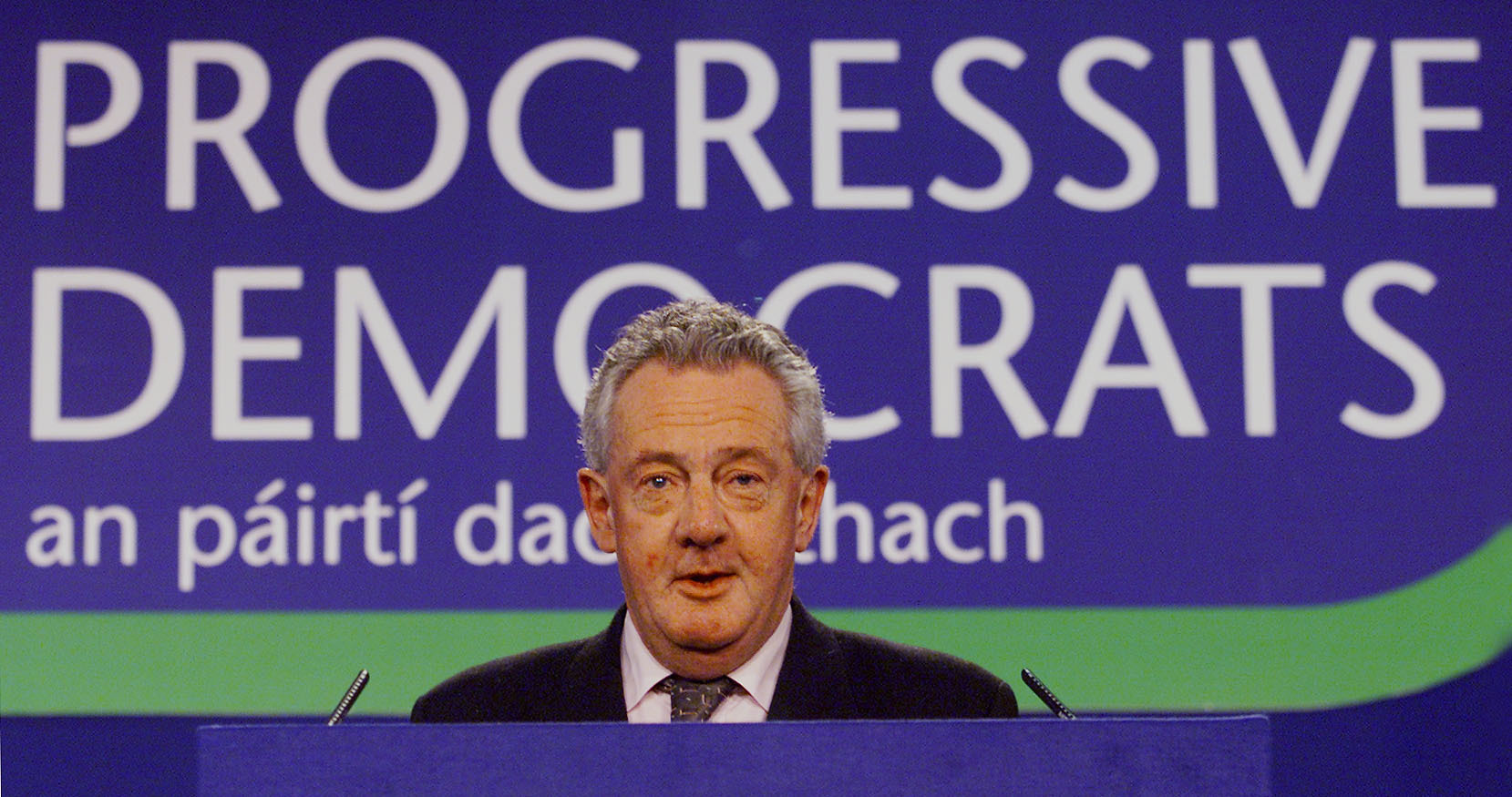
Picture: Kieran Clancy
The death has been announced of the former Progressive Democrats leader and former justice minister Des O’Malley at the age of 82.
A colossus of Irish politics, O’Malley had been in poor health in recent months and passed away on Wednesday morning.
Abrasive but driven, O’Malley was the epitome of a substance politician who was thrust reluctantly into the spotlight by circumstance.
O'Malley was born in Limerick in 1939 into a political household.
His mother’s father, Denis O'Donovan, was murdered by the Black and Tans during the War of Independence.
A nephew of Education Minister Donogh O’Malley, his father and two uncles were at various times Mayor of Limerick.
A law graduate of University College Dublin, after the death of Donogh, O’Malley was elected as TD for Limerick East in the by-election.
Once in the Dáil, he rose up through the ranks quickly and was appointed Parliamentary Secretary to Taoiseach Jack Lynch in 1969.
He played a key role in the Arms Crisis fiasco and was appointed Justice Minister in 1970.
While the PDs was a socially liberal party, the early O’Malley certainly was not and advocated strongly against measures which he believed would further fornication.
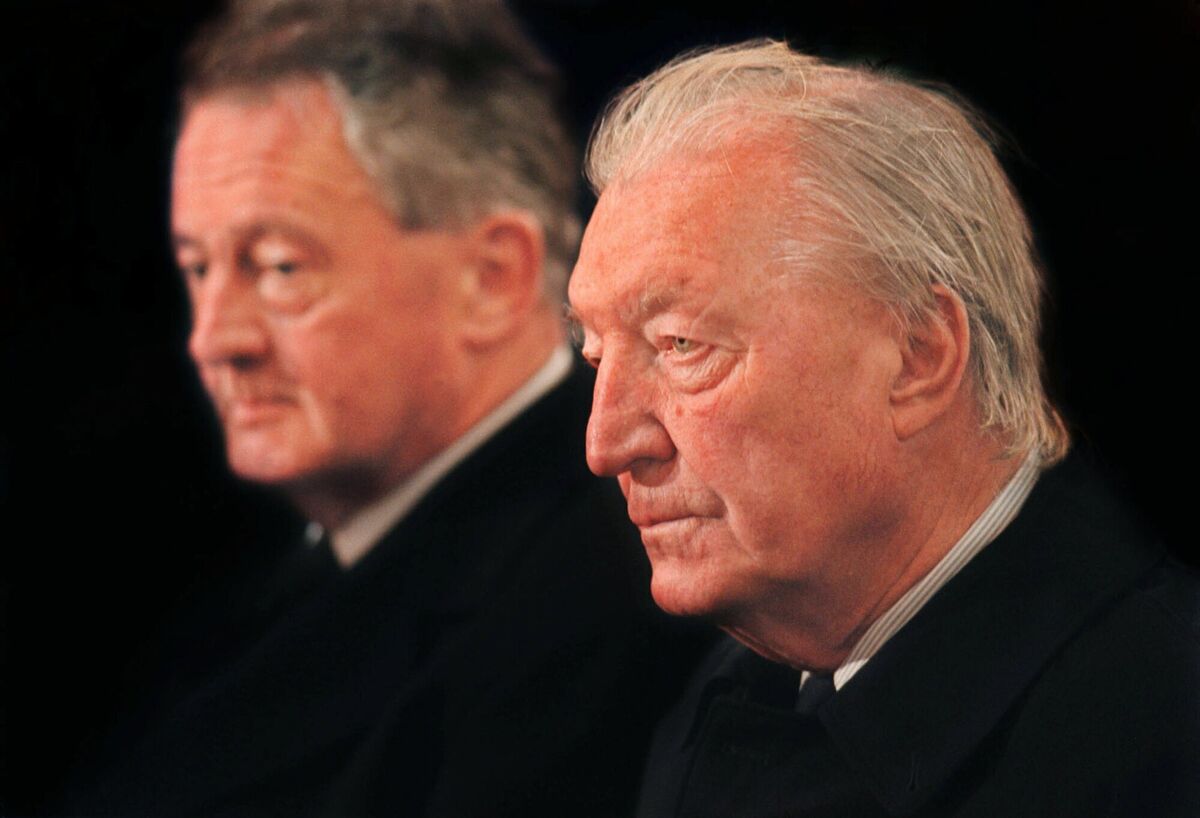
A main rival of former Taoiseach Charlie Haughey, O’Malley was once seen as a potential future leader of Fianna Fáil but he was eventually expelled from the party on Haughey’s orders.
In early 1985, a controversial bill was introduced by the Fine Gael–Labour Party government to liberalise the sale of contraceptives.
Although Fianna Fáil opposed the bill, O'Malley took a different view and considered it a matter of conscience.
It was during this debate, he gave his most famous speech: “The politics of this would be very easy. The politics would be, to be one of the lads, the safest way in Ireland.
"But I do not believe that the interests of this State, or our Constitution and of this Republic, would be served by putting politics before conscience in regard to this.
"There is a choice of a kind that can only be answered by saying that I stand by the Republic and accordingly I will not oppose this Bill”.
On February 26, 1985, he was summoned to a party meeting and charged with "conduct unbecoming".
Following a roll-call vote he was expelled from Fianna Fáil by 73 votes to 9.
In the months following his expulsion, a small group of people including Michael McDowell, Mary Harney who also left Fianna Fáil and Bobby Molloy rallied around O’Malley with a view to forming a new party.
That party was to become the Progressive Democrats and launched in early 1986 on foot of a £5,000 overdraft.
Electoral success followed in 1987 when the party won 14 Dáil seats and twice prevented a Fianna Fáil overall majority.
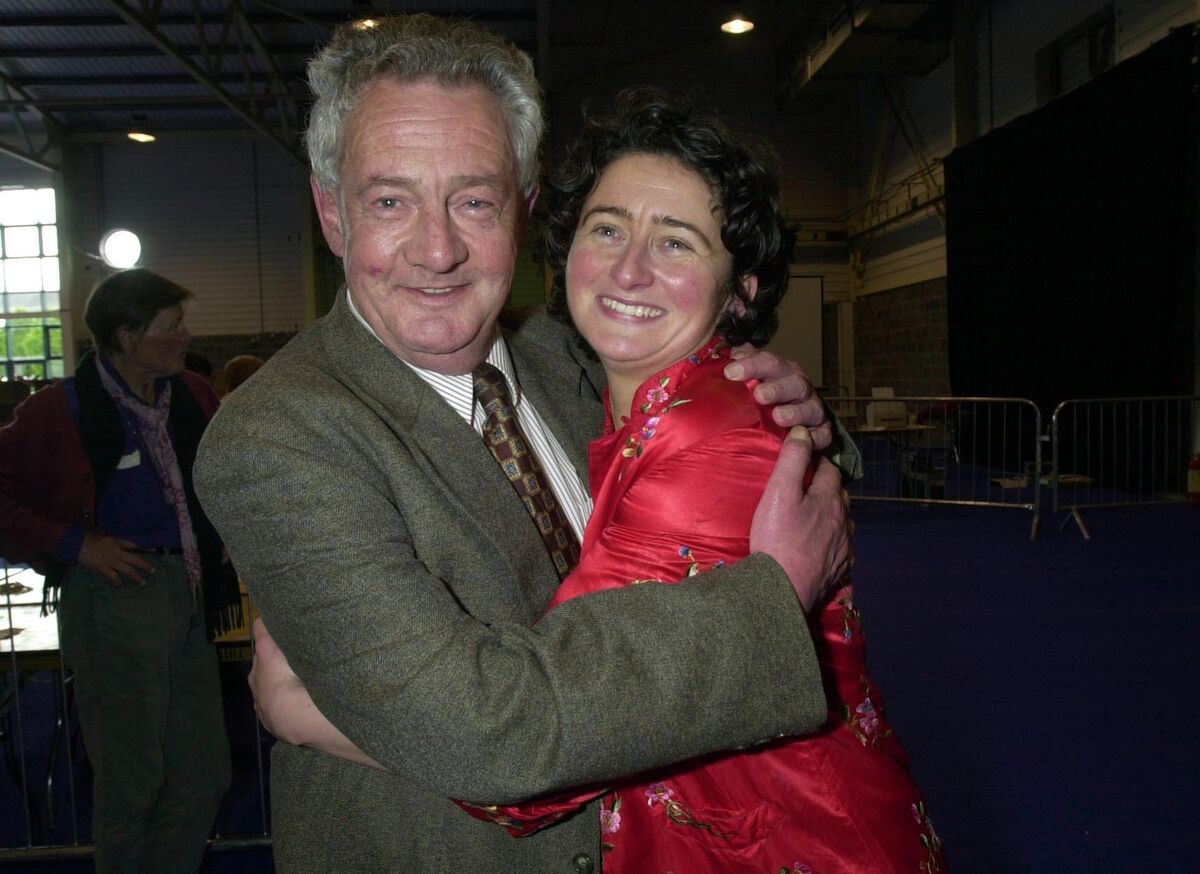
The nation was stunned when O’Malley and Haughey, the two enemies, put aside their differences in 1989 and went into government together.
In 1990, O'Malley told Haughey that the Progressive Democrats would pull out of the coalition and support a no-confidence motion tabled by the opposition unless Fianna Fáil’s presidential election candidate, Minister Brian Lenihan left the government over his denial of making phonecalls to Aras an Uachtarain in 1982.
A tape of Lenihan admitting he had gotten through to the President emerged and Haughey, at O’Malley’s behest, sacked Lenihan.
A reluctant leader, O’Malley in 1993 shocked his party again by tendering his resignation and was succeeded by Mary Harney.
At the wake for the PDs in 2009, O'Malley said he believed no future political parties would be established under current conditions when it was almost a crime to raise private funds.
"You have to depend almost entirely on public funds, but you can only get public funds based on your record at the last general election. So you never get funds, and that suits the incumbents," O'Malley said.
He said he believed Ireland was "not particularly well served" by "two big middle-of-the-road, inoffensive, catch-all parties".
The only alternative was "the foundation of a party by a very rich man, and I think that's wrong". He added: "Political parties should be an ongoing, organic developing thing, and not depend on a rich man with money coming from perhaps outside this country."
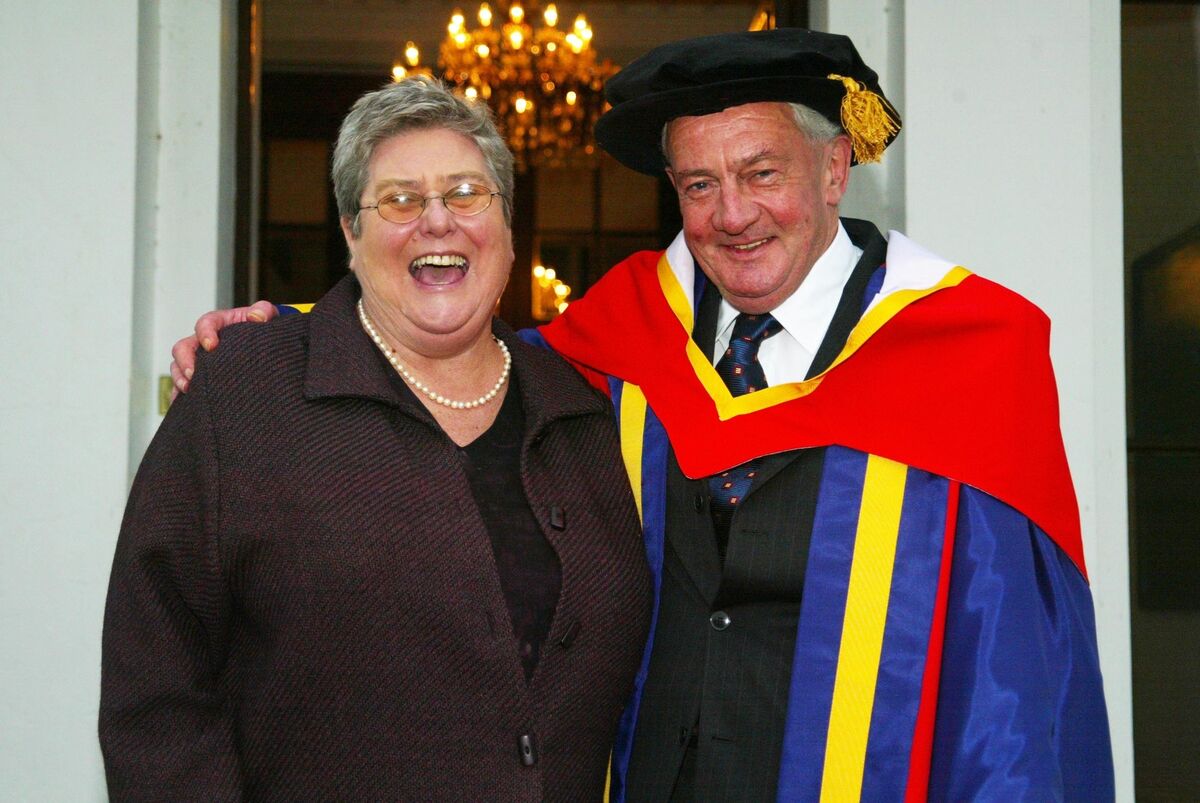
Earlier this year, RTÉ apologised to Des O’Malley and his family over a statement it issued following his criticism of the arms trial documentaries.
The national broadcaster claimed it had previously contacted Mr O’Malley asking him to be interviewed as part of its GunPlot series. This came after O’Malley said he had not been contacted to appear in the shows.
The Limerick native was totally reliant on his wife Pat, and regularly went home for his lunch during his life in politics.
He spent the last months of his life in failing health but still allowed himself the odd flutter on the horses.
Friends, speaking about his passing, said the mid-west region has never had as strong a defender as O’Malley and his death is a huge loss for Ireland.

CONNECT WITH US TODAY



Be the first to know the latest news and updates