Donohoe: 'Income tax hikes would undermine jobs recovery'
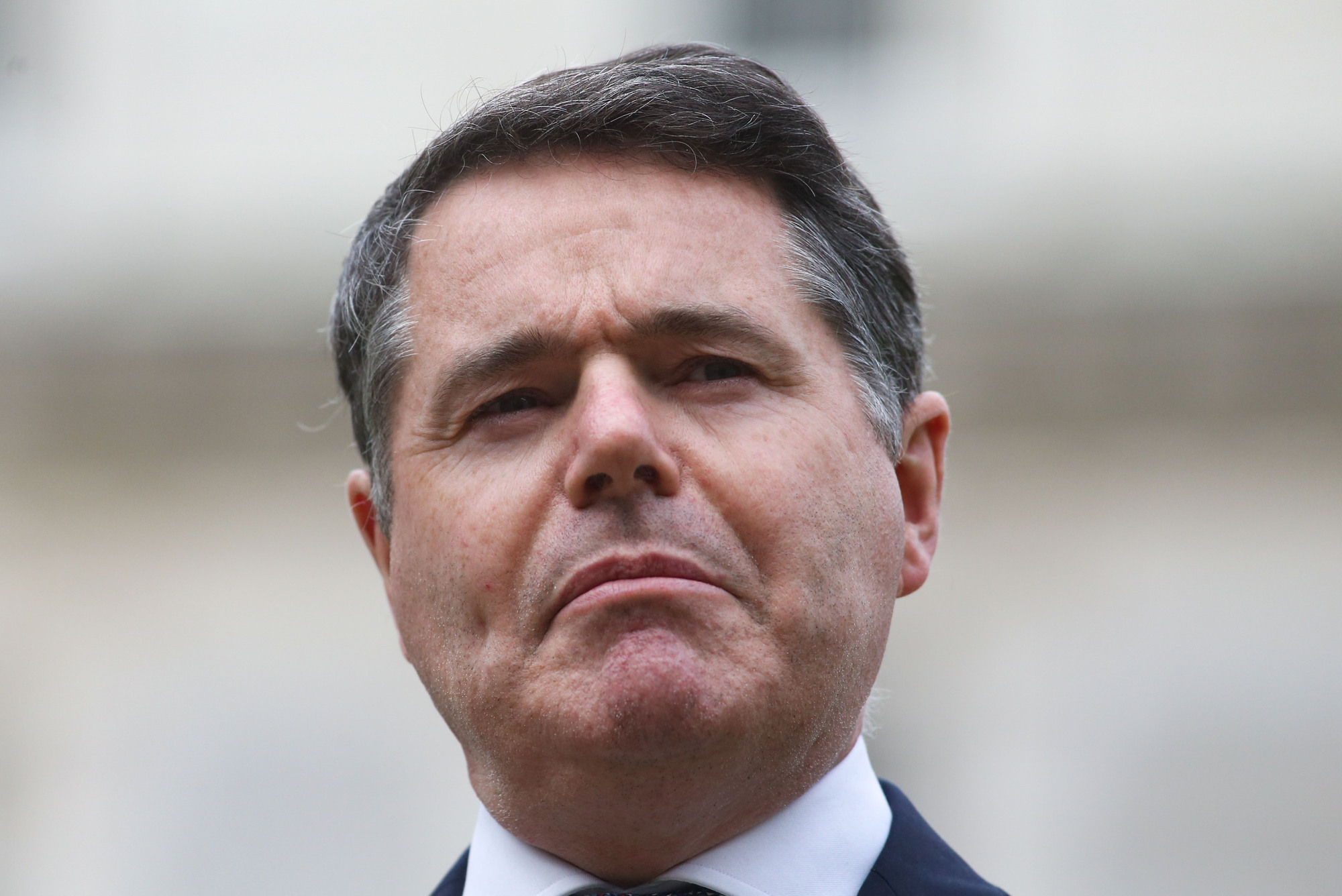
Finance Minister Paschal Donohoe said getting people back to work would pay for the vast majority of the additional spending incurred during the Covid-19 pandemic. Picture: Sam Boal / RollingNews.ie
Increasing income taxes would “actually undermine” the Government’s ability to get 200,000 people off the dole, Finance Minister Paschal Donohoe has said.
In the strongest signal to date as to his tax plans in October’s budget, Mr Donohoe said getting people back to work would pay for the vast majority of the additional spending incurred during the Covid-19 pandemic.
“Increase in taxes on work and an increase in taxes on income will actually undermine our ability to get 200,000 new jobs created next year,” he said.
He said he thinks the country will recover quicker than many would anticipate at the moment.
“And by creating those jobs, by getting our economy growing again, unlike where we were a decade ago, that will help pay for much of the difficulty that we've had to endure across the time of Covid,” Mr Donohoe added.
Mr Donohoe said the Government already had plans in place to increase carbon tax to help pay for many of the challenges that the country will have regarding climate change.
He also said an IMF recommendation that the Pandemic Unemployment Payment support should be conditional on re-skilling is being considered. Mr Donohoe said the recommendation is "an ingredient" in Government discussions about its future.
But he said decisions on how to pay for bigger public services will have to be made in time, while sensitively recognising that as the health emergency recedes, the emergency measures in place will slowly need to be changed.
Mr Donohoe said Budget 2022 will be about delivering a recovery that can respond to all the challenges in the economy.
He said the Pandemic Unemployment Payment has played a vital role in supporting income, living standards, and families at a time of an emergency.
“Any decisions that we make about the future of that payment will reflect two things – the first one is that it was an emergency payment brought in at a time of a health emergency.
"Secondly, though, that it continues to play a vital role in supporting people who don't have a job at the moment and who want to go back to work,” he said.
There are 385,000 people on the PUP this week, a reduction of 50,000 over the past four weeks.