State bodies 'failing in their duty to give the public access to data'
!['What chance does an ordinary citizen have if professional journalists and campaigners struggle to get [publicly-owned data] without resources and time?' asked John Devitt of Transparency International Ireland.](https://www.irishexaminer.com/cms_media/module_img/4797/2398652_18_org_john_devitt_transparency_intl_ireland_1_.jpg "State bodies 'failing in their duty to give the public access to data'")
'What chance does an ordinary citizen have if professional journalists and campaigners struggle to get [publicly-owned data] without resources and time?' asked John Devitt of Transparency International Ireland.
Concerns have been flagged by journalists and transparency campaigners that Ireland's Freedom of Information system is not fit for purpose.
A survey carried out by Sinn Féin's public expenditure spokesperson, Mairéad Farrell, found that 76% of the 25 respondents to the survey ranked the current system as "performing poorly". The respondents included journalists, activists, and political/legal staff.
Concerns were flagged that the situation is worsening, with 84% of respondents believing that access to FOI documents has been curtailed in recent years, and 71% of respondents believe that public bodies require additional resources to speed up the response times of FOI requests.
Some 80% believe that refusals of FOI requests have not been justified.
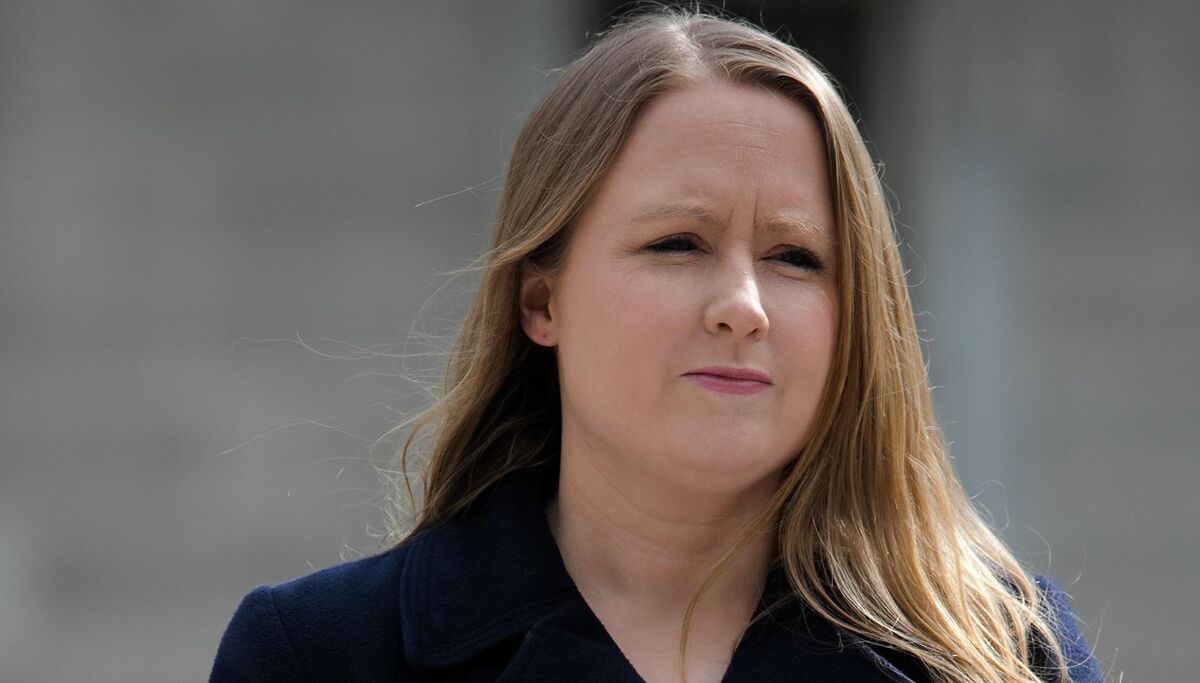
John Devitt, the chief executive of Transparency International Ireland, said the survey reflects some of the complaints made to the charity's helpline this year.
"Often the common thread running through all of them in relation to complaints about public service is that people are unable to gain access to information," he said.
"The approach differs from department to department; it can differ [depending on] who you're dealing with or the unit you're engaging with.
"Some are more open than others. You can find the approach changing with the retirement of official or moving to a different unit, where there was open engagement now needs an FOI.
"Much of the data that journalists are pursuing should already be in the public domain. There is no reason documents should be filled in with pen and scanned in PDF form — that doesn't allow for proper analysis.
"Reform in this area has been a long time coming, and a commitment to proactive disclosure has fallen by the wayside. We've called on the Government to renew its pact to the open government initiative. It's at risk of being dropped.
It's high time that we move towards proactive disclosure, digitisation, and data which reduces the burden on everyone.
Right to Know campaigner and journalist Ken Foxe said that Ireland has major problems with information access.
"Unfortunately, there has been no recognition of this by Government, and the situation has been allowed to deteriorate over the past five years," he said.
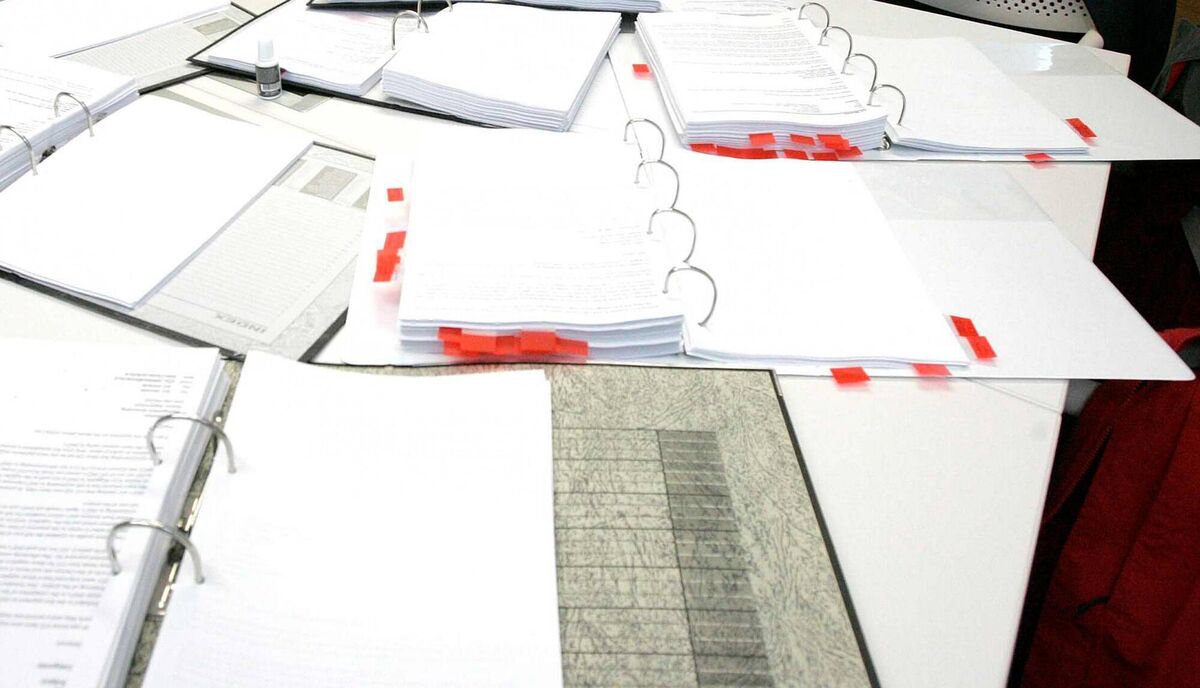
If every bad decision was actually brought to the Information Commissioner’s attention, I genuinely believe the entire system would collapse.
"We have public bodies failing to meet their obligations time and time again, the same organisations year after year.
"They seek time extensions for routine requests. They don’t bother answering requests, they refuse access to everything, they fail to find records that are later shown to have existed."
"We urgently need a review of the FOI Act, the resourcing and powers available to the Information Commissioner, and penalties for public bodies that fail to meet their transparency obligations — and extending the Act to fully cover agencies like An Garda Síochána and the Data Protection Commissioner."
Mairéad Farrell said she was "very concerned" by the results.
"The survey polled some of Ireland’s foremost investigative journalists and transparency campaigners — the kind of experts who have the most familiarity with FOI. The survey results indicate that the regime’s performance has declined in recent years."
92% of respondents felt the Information Commissioner was wrong to rule that the pension payment of former taoisigh, ministers, and presidents by the Department of Finance were no longer available under Freedom of Information, because in its view this constituted personal information.
"It's hard to disagree with this view, as taxpayers should have a right to know."
CONNECT WITH US TODAY



Be the first to know the latest news and updates