Trump's decision to delay tariffs on EU imports welcomed by Tánaiste
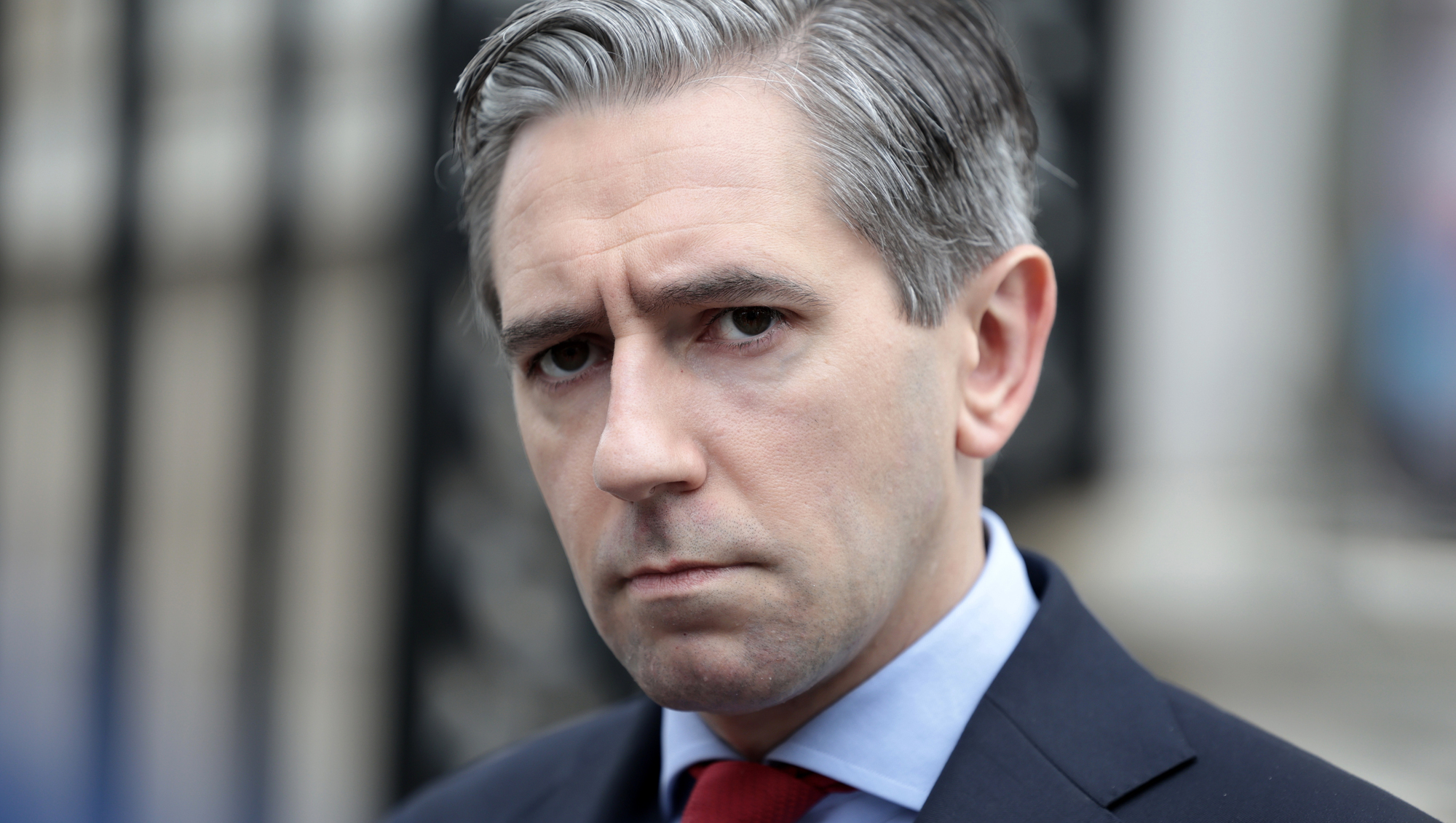
The delay until July 9 is seen as a "very tight" deadline by some in government here. Picture: Leah Farrell/© RollingNews.ie
A decision to delay a 50% tariff on EU imports to the US until July 9 has been welcomed by Tánaiste Simon Harris.
US president Donald Trump said on Monday that a 50% tariff on goods from the EU will be delayed from June 1 until July 9 after contact between himself and European Commission President von der Leyen.
In April, Mr Trump announced a 20% tariff on EU goods being sold into the US. He later reduced that to 10% until July 8 to allow for time for talks with Brussels on a potential agreement.
On Friday, Mr Trump claimed the talks were “going nowhere” and said he was recommending the 50% tariff rate that would come into effect on June 1.
The president also announced he would be imposing a 25% tariff on all Apple iPhones manufactured outside the US. He warned that tariffs were also coming for other foreign-manufactured smartphones.
Speaking last night, Mr Trump said that Ms von der Leyen "asked for an extension on the 1 June date, and she said she wants to get down to serious negotiation”.
“And I agreed to do that,” he said.
However, the delay until July 9 is seen as a "very tight" deadline by some in government here.
In a statement, Simon Harris said the contacts between the two sides were "at the highest political level" and "present the opportunity for negotiations to move forward".
"This is our priority. We want to see meaningful and substantive talks.
"The EU-US economic relationship is an engine of growth for the entire world. There is no doubt that the circumstances are challenging at present but I am confident that we can find a way forward.
"Ireland will continue to contribute actively and positively to these efforts. I remain in close and ongoing contact with Commissioner [Maroš] Šefčovič and with our EU partners and, of course, we will continue our outreach to the US.
"We have much work to do and no time to waste to find a deal that is good for both economies and protects jobs and investment."
Mr Harris has written to US Secretary for Commerce Howard Lutnick following the latter’s instigation of two investigations examining whether the United States’ reliance on foreign imports in those sectors poses a risk to national security.
The outcome of the investigations could result in significant tariffs being imposed on pharmaceuticals and semiconductors sold into the US from abroad.


CONNECT WITH US TODAY



Be the first to know the latest news and updates