Delivery of €1.8bn Cork rail project to speed up after minister designates it critical infrastructure
Infrastructure minister Jack Chambers is set to recommend to Cabinet that the plan, which aims to transform Cork’s heavy rail network into a high-capacity, electrified system, be considered among the small number of key projects to benefit from the designation.
The Cork area commuter rail plan is to be designated as critical infrastructure by the Government, opening the door for the €1.8bn scheme to be delivered ahead of schedule.
Infrastructure minister Jack Chambers is set to recommend to Cabinet that the plan, which aims to transform Cork’s heavy rail network into a high-capacity, electrified system, be considered among the small number of key projects to benefit from the designation.
The move will see State agencies told to prioritise the project and will restrict the grounds on which the building of the rail scheme can be objected to. Under the new Critical Infrastructure Bill, parts of the Climate Action Act will no longer apply if a project is designated as critical infrastructure.
Mr Chambers has repeatedly said the pace of delivery of infrastructure in Ireland has been too slow and earlier this month published new guidance calling for a higher tolerance of risk.
While Government sources could not be definitive on how much quicker the plan could be delivered, they said the designation was a "critical step" in the plan's delivery.
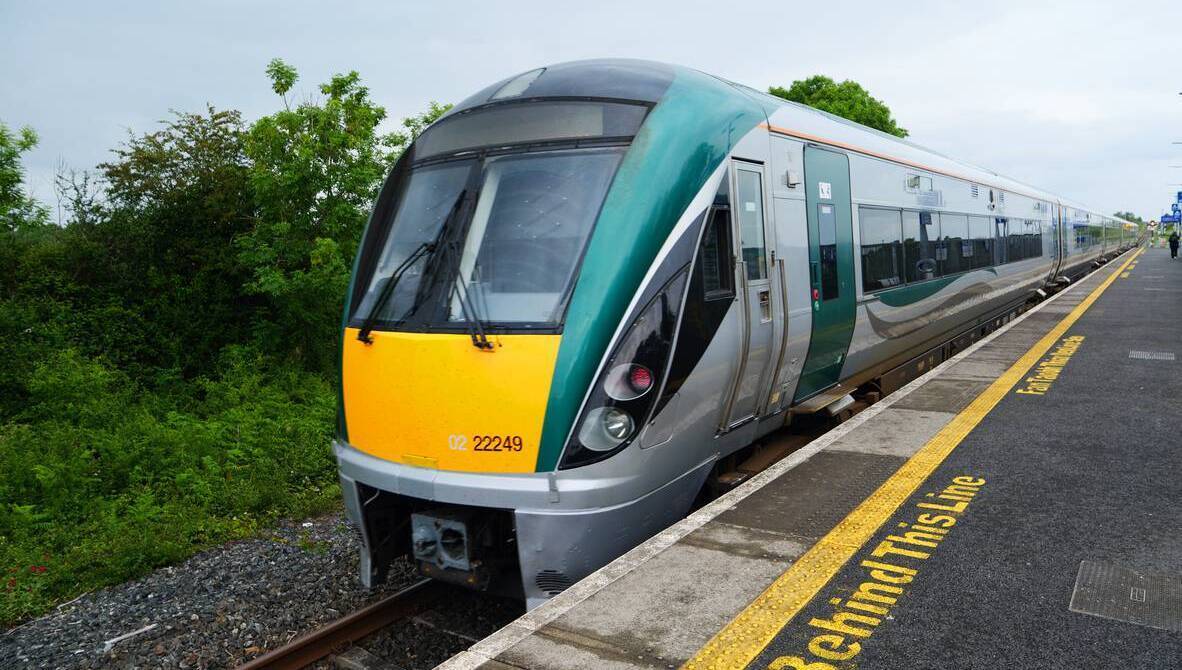
The Cork plan is the largest ever investment in the region's rail network and aims to provide high-frequency capacity for trains to run every 10 minutes across each of the three commuter lines to Mallow, Midleton and Cobh — handling up to 16 million passenger journeys a year.
Phase one, a new platform at Kent Station as well as twin-tracking of the Glounthaune to Midleton service, and the re-signalling of the full Cork network, is under way, with phase two the eight new stations, a new depot, and the full electrification of the Cork rail network.
Irish Rail recently said two of the eight new stations under the plan — Blackpool and Dunkettle — could be up and running by 2029. The remaining six stations — Blarney, Tivoli, Water Rock, Carrigtwohill West, Ballynoe, and Monard — would be operational by 2032.

CONNECT WITH US TODAY



Be the first to know the latest news and updates