‘I wouldn't have survived’: Limerick woman gets hysterectomy at 33 after years of severe pain
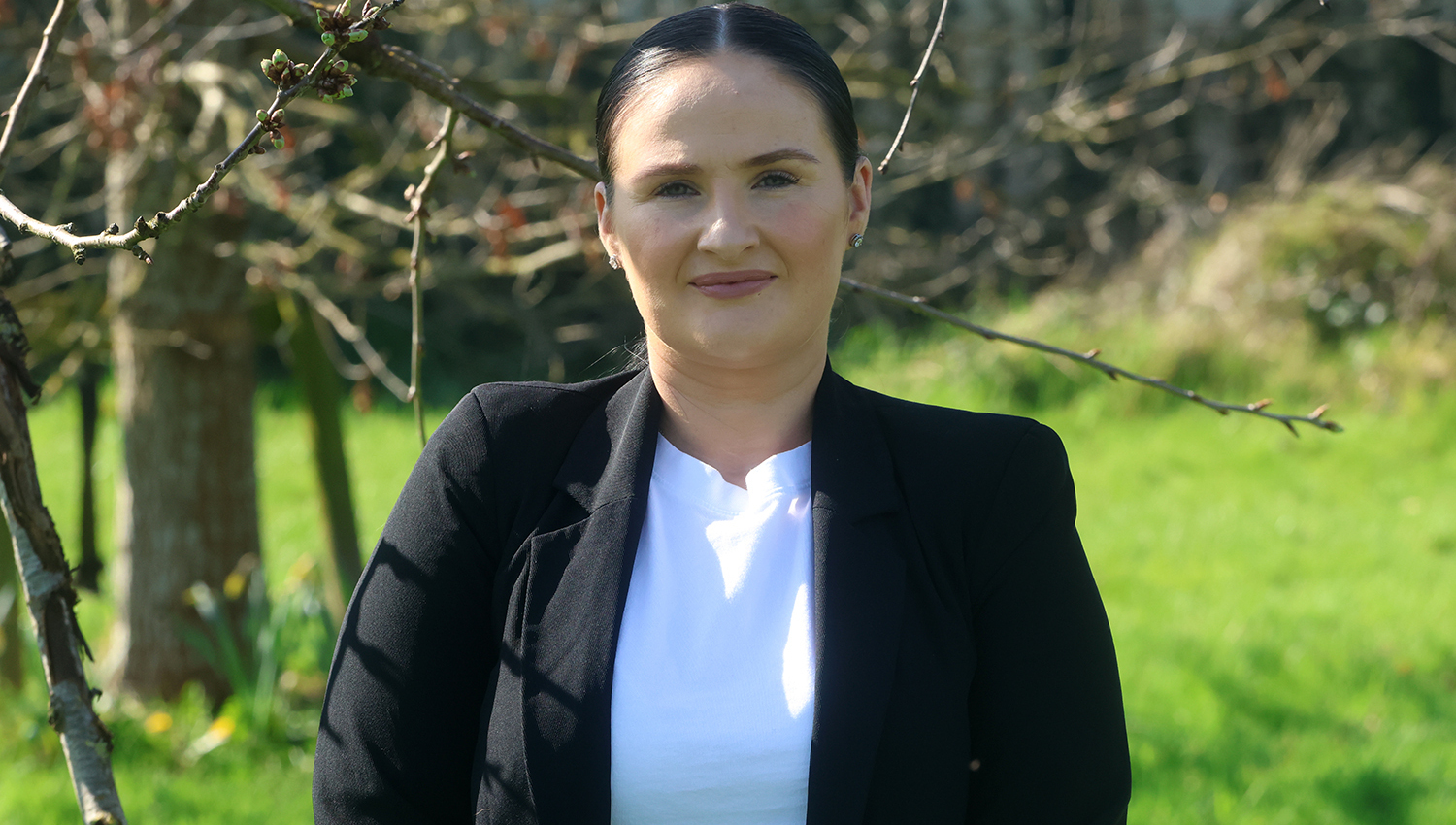
Lauren Higgins: 'It got to the point where I actually presented myself to an ED, in agony, I was collapsing.' Picture: Brendan Gleeson
At the age of just 33, Limerick woman Lauren Higgins underwent a hysterectomy after years of suffering from adenomyosis, a chronic condition which causes severe pain.
A similar condition to endometriosis, adenomyosis occurs when the same tissue that lines the uterus is present within and grows into the muscular walls of the uterus — causing an enlarged uterus.
Read More
The cause of the chronic condition, which usually resolves after menopause, is unknown. Symptoms can include pain during menstruation, heavy bleeding, and vaginal bleeding in between periods. Most of the time, the pain is located in the lower abdomen and can go up to the dorsal region.
The condition can be diagnosed with pelvic imaging, such as an ultrasound and MRI. Up until recently, it could only be diagnosed after a hysterectomy.
The HSE does not publish adenomyosis‑specific prevalence figures, but a major analysis in 2025 found that adenomyosis affects around 1% of the general female population worldwide. The study, Global prevalence of adenomyosis and endometriosis, was published in the journal .
Researchers said that although symptoms of adenomyosis and endometriosis are not life-threatening, they significantly increase the challenges faced by women.
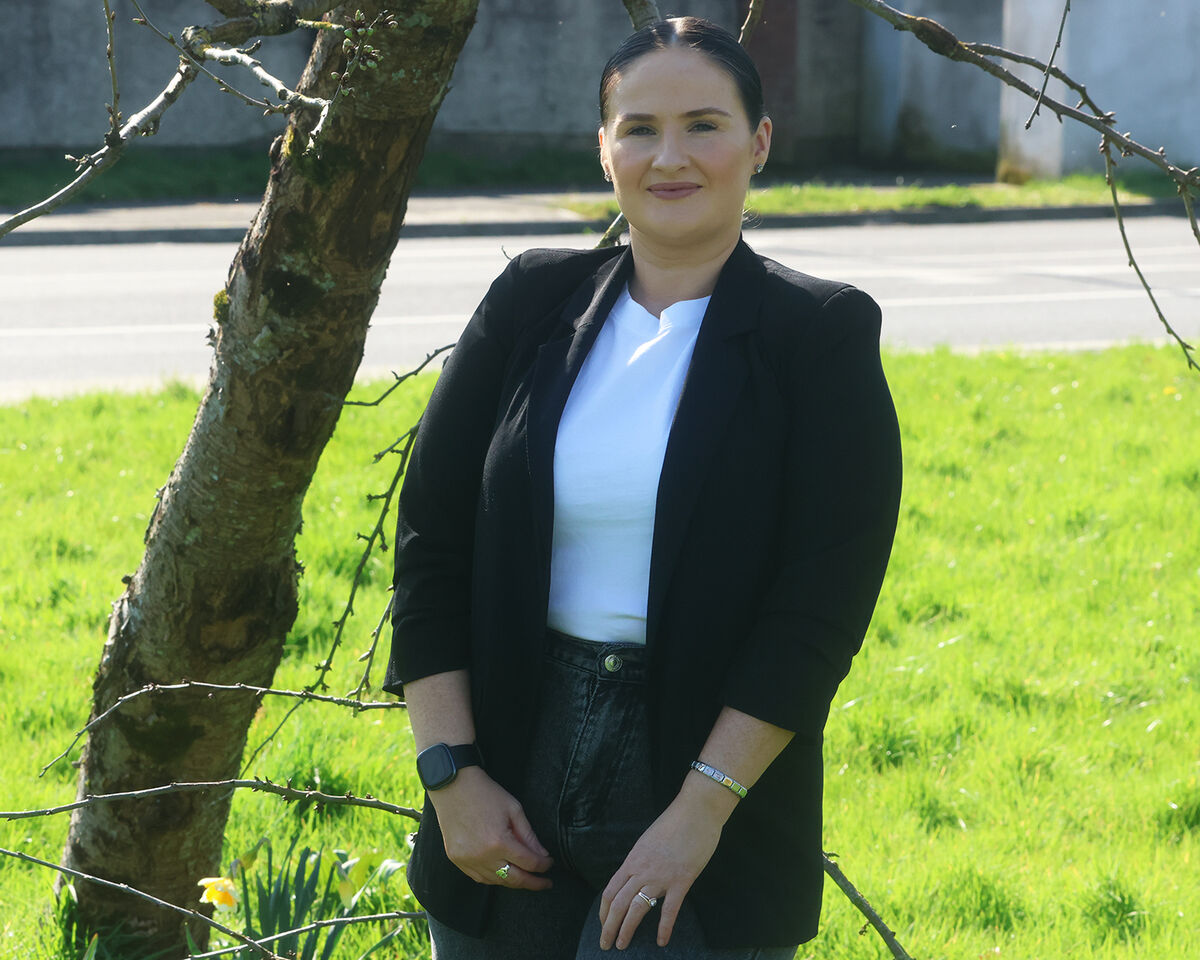
Since she started her period in her teenage years, Lauren Higgins, from Corbally, had always been in pain. Her symptoms worsened when she hit her 30s.
“It became really bad. It got to the point where I actually presented myself to an ED, in agony, I was collapsing.
”It wasn't even just around my period, it was all the time. I could've maybe had a week of being OK and for three weeks, I was in agony,” she told the .
In 2022, Lauren was told she had adenomyosis. “I was like, what the hell is that? I had never heard of it. It was a turning point for me, and I finally got answers,” she said.
While adenomyosis is more often diagnosed in patients aged between 30 and 45, a lot of women aged 20 to 25 are also suffering from the condition.
Lauren said she had been advised by her gynaecologist to undergo a laparoscopy to determine whether the lesions were caused by endometriosis, but none was found. She was later placed into a temporary menopause.
“It was amazing at the start, I felt like I got my life back. Then, it becomes less effective as the weeks go on,” she said.
“I was back to square one with my pain. I had tried five different pills, but I was also conscious of the painkillers I was taking because I didn't want to damage other parts of my body from taking so many.
"I really only took them if it was really necessary."
After exhausting all other options with her gynaecologist, Lauren made the decision to get a hysterectomy in April 2025. The decision has helped her “get her life back”, she said.
“I was at the end of the road with the pain that I was in. It was very hard to explain to people that didn't suffer with the pain. I joined a support group, I've done counselling. At some stage, I thought I was going crazy. I didn't know if the pain was really there or was in my head, it was such a weird feeling.
“Some days, I had pains in my fingers, my joints, my elbows, my knees. For something so small, your womb can cause unbearable pain,” Lauren said.
The hysterectomy was her last resort.
She said:
"I'm eating healthy, I'm even running now. I am in the gym five nights a week. I'm doing classes, I was never able to do any of that. I wasn't able to go on holidays without painkillers.”
Lauren said she was “quite content” getting a hysterectomy even though she has no children of her own, adding that women are just expected to reproduce "and just get on with it".
”We have our own little family here, no biological kids but fur babies and a godchild.
“I couldn't imagine waiting for menopause and probably another 20 years of pain. I wouldn't have survived it. It was just getting worse and worse as the days went on."
She added: “I remember waking up from my surgery, my gynaecologist coming into me the next day and she was like, ‘You don't look like someone that had surgery. You're glowing’.
"I felt as if the weight of the world had been taken off my shoulders.”
In terms of treatment, prescriptions and oral contraceptives can reduce pain and bleeding caused by adenomyosis. Surgical treatment is also possible, and the surgeon can do a laparoscopic excision of the adenomyosis tissue.
A hysterectomy is considered in severe cases as a last option.

CONNECT WITH US TODAY



Be the first to know the latest news and updates