Limerick councillors reject proposed Shannon-Dublin water pipeline
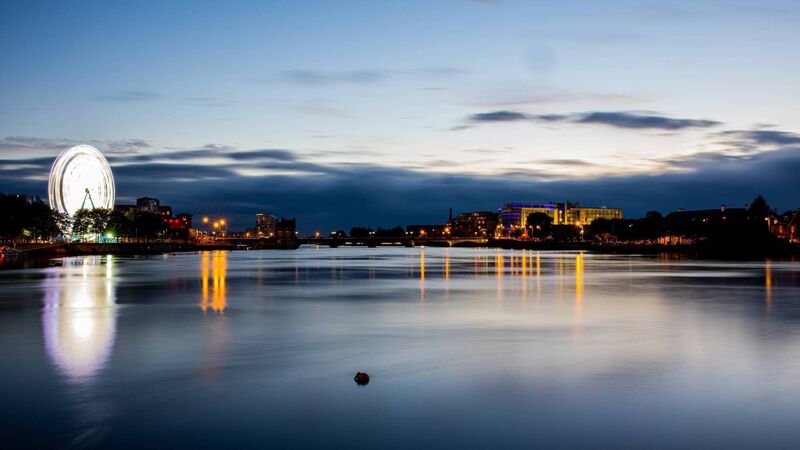
Several groups have opposed the project, which they say could 'damage water flows' in Limerick and cause 'major damage' to Lough Derg and the River Shannon. Picture: Limerick City and County Council.
Limerick councillors have unanimously rejected the report on the proposed Shannon-to-Dublin water pipeline project, opposing Uisce Éireann's plans to extract water from the River Shannon to serve the greater Dublin region.
While they cannot block the 'Strategic Infrastructure' project, their formal recommendations will have to be included in the final report sent to An Coimisiún Pleanála.
The councillors argued the resources in the Mid West should not be used to solve Dublin's supply issues, as Uisce Éireann plans to extract millions of litres of water from the River Shannon during drought periods to boost the supply to the east of the country.
Uisce Éireann is seeking planning permission to extract 330 million litres of water daily from the River Shannon at Parteen Basin in Co Tipperary to supply the Greater Dublin region and the Midlands and Eastern regions with water in summer drought periods.
The project is estimated to cost up to €4.6bn.
Back in December, Uisce Éireann applied for planning permission for the project, proposing the construction of a 170km steel pipeline. An Coimisiún Pleanála held a statutory public consultation, which closed on February 25.
Last weekend, up to 50 boats took part in a rally on the River Shannon to highlight their opposition to Uisce Éireann's plans.
Several groups have opposed the project, which they say could “damage water flows” in Limerick and cause “major damage” to Lough Derg and the River Shannon.
One of the groups opposed to the plan, The River Shannon Protection Alliance (RSPA) claimed Dublin was currently losing up to 50% of its water because its Victorian pipes were leaking.
Senior project manager with the RSPA and environmentalist Elaine Doyle told the if leaks in Dublin were to be fixed, there would not be a need to take on the River Shannon project.
“Those leaks have to be fixed and that’s only part of the problem. A number of alternatives were identified, but never truly explored. Some of those including the Poulaphouca Reservoir."
Ms Doyle said the main problem was when water was needed in the Greater Dublin area during the summer, it was also needed in the Shannon.
She noted that during the summer months, the ESB closes the turbines at the Ardnacrusha power plant in a bid to keep the old course of the river alive at O'Briens Bridge, Castleconnell, Corbally, as well as Plassey.
Ms Doyle said there would be considerable ecological damage done during drought periods.
”Most of the ecology around is shoreline habitats, those habitats will be adversely affected. There will be a huge impact on the River Shannon.
“They’re planning to spend up to €10bn on water extraction from a lake that's already stressed, it’s already under ecological stress,” Ms Doyle said.
She added: “We’re not far away from a tipping point in Lough Derg, so why in the name of God would the Government spend that much money to extract water in an area that is already under ecological stress?”
Meanwhile, public expenditure minister Jack Chambers expressed disappointment at the opposition from local authorities at a recent press event.
Mr Chambers said the local authorities should “see the bigger picture”.
"It's extremely disappointing to see local authorities take a very parochial interest in such a project. This is a project that is critical for national economic development,” he said.
Mr Chambers added many of the concerns from the local authorities were “unfounded” and putting a stop to the project would harm economic growth into the next decade.
In response to a query from the , a spokesperson for Uisce Éireann said: “In terms of addressing leakage rates, we need a new sustainable source of water alongside continued leakage reduction. Fixing leaks is essential, but it’s only part of the solution.
"Leakage reduction alone will not address the sustainability or resilience issues that are endured daily, or indeed the increased water supply that is needed to meet the demands of our growing population and economy, including the demand for housing.
“Leakage is at its lowest level ever. Since 2014, Uisce Éireann has reduced water leakage from 49% to 36% nationally, and 37% to 30% in Dublin, driven by €2bn of investment in the network, including leakage reduction, over the last decade.
"A sustained investment in leakage reduction will continue in the coming years, and ambitious leakage reduction targets are built into the demand forecasted to be met by the project.”
The spokesperson added: “Evidence shows that the new Shannon source, delivered through the Water Supply Project, provides the widest benefit to the greatest number of people, with the least environmental impact and in the most cost‑effective manner.”


CONNECT WITH US TODAY



Be the first to know the latest news and updates