Developers claim location of bus terminus led to refusal of housing development in Bishopstown
Dwellings Development Bishopstown Ltd has submitted an appeal to An Bord Pleanála against the recent decision of Cork City Council to reject its plans to construct 164 housing units 'on the edge of Cork City'
Developers claim location of bus terminus led to refusal of housing development in Bishopstown

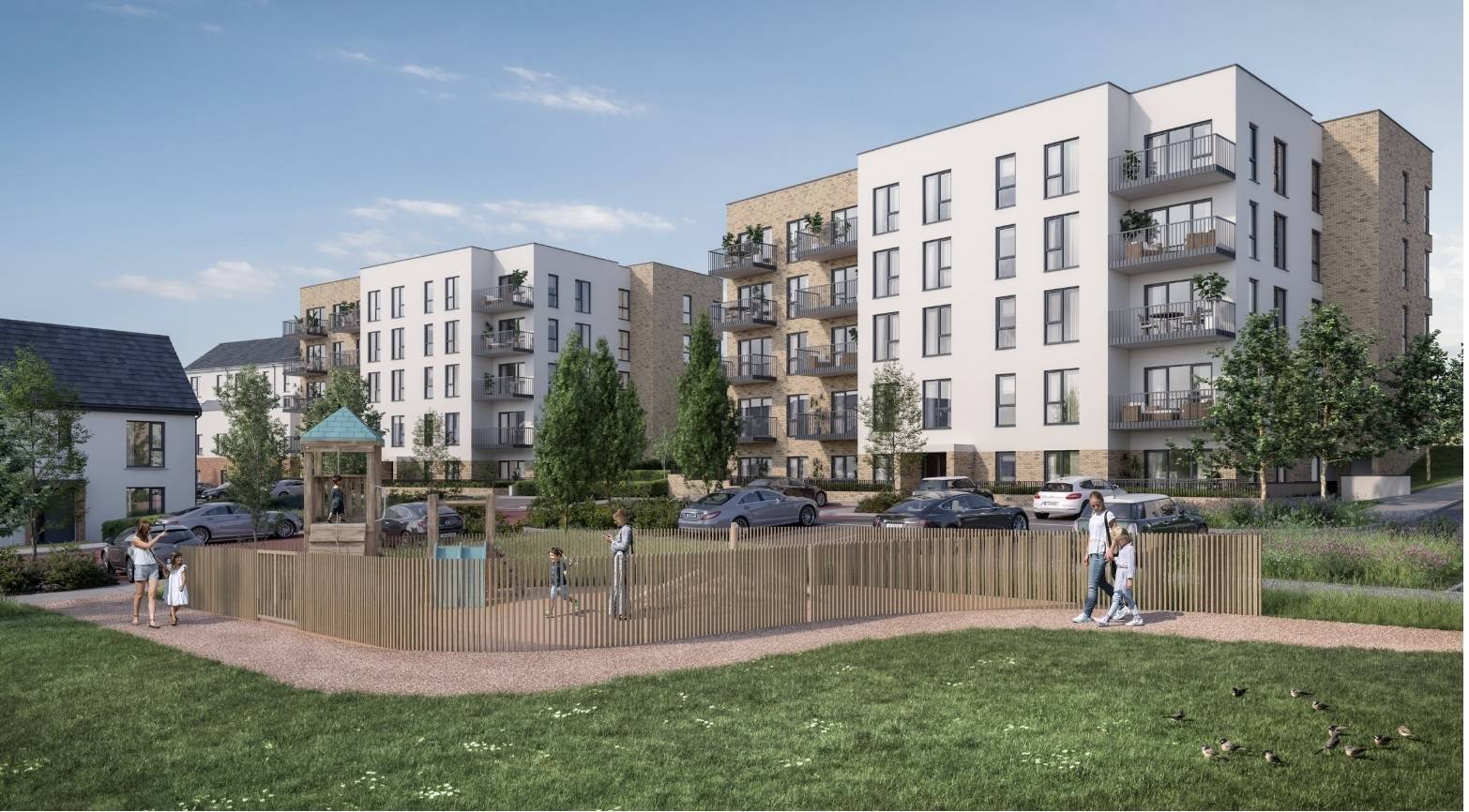
The proposed development consisted of 64 houses and 54 apartments in two blocks up to five storeys in height as well as 46 duplex units and a creche. Picture: WaterfallRoadLRD.com

A property development firm has claimed the location of a bus terminus on private lands at Marymount Hospice in Cork is the reason why it was refused planning permission for a large-scale residential development of over 160 new homes “on the edge of Cork City”. 

The developer, Dwellings Development Bishopstown Ltd, has submitted an appeal to An Bord Pleanála against the recent decision of Cork City Council to reject its plans to construct 164 housing units on lands at Waterfall Road, Bishopstown, Cork.

The proposed development consisted of 64 houses and 54 apartments in two blocks up to five storeys in height as well as 46 duplex units and a creche.

The local authority rejected the plans on the basis that the development would be “excessively car dependent” due to a lack of pedestrian infrastructure and links to public transport facilities in the area.

Council planners concluded it would run contrary to several objectives of the Cork City Development Plan 2022-2028 including the promotion of the “15-minute city” and “walkable neighbourhoods.” 

They said the absence of pedestrian infrastructure connecting the development to public transport would pose a traffic hazard and endanger the safety of pedestrians.

Developer's appeal

In their appeal, consultants for Dwellings Development Bishopstown said the company was “surprise and disappointed” at the decision to refuse planning permission for the large-scale residential development as the ruling was “not expected.” 

From a review of planning files, they claimed the decision was based solely on the lack of a direct pedestrian connection to the 208 bus terminus which is located on private land within Marymount Hospice at Curraheen.

While the company was encouraged to engage with Marymount to see if the 208 bus stop could be delivered as part of the planning process, it claimed the issue had never been identified prior to the submission of its planning application as a “red-line” matter.

The developers said they had engaged with Marymount on a number of occasions about access to the 208 bus stop being facilitated but consent was not forthcoming.

The company claimed the location of the bus stop is a legacy issue for those responsible for delivery of the public bus network in Cork City and was “highly unusual”.

It acknowledged that Marymount had very valid “sensitivity, safety and security concerns” and noted access through the lands of the hospice had been a contentious issue for more than a decade.

The developers acknowledged that Marymount had to erect traffic barriers and signage to prevent motorists from using the hospice’s private road network as “a rat run” to get to the N40 South Ring Road.

They claimed that was the context in which the council was requesting them to secure consent from Marymount to open up access to their lands to the general public which the developers said was “at odds” with the hospice’s position.

The consultants said the nature of the council’s request and the inability of any developer to reconcile this was “unfair”. 

They claimed such a legacy strategic public transport issue could only be resolved by those responsible for the delivery of public transport services in dialogue with the private landowners where the bus stop is located.

Relocated bus stop

The developers claimed the benefits of relocating the 208 service down Waterfall Road to publicly accessible bus stops had been highlighted on a number of occasions over the past six years to both the council and the National Transport Authority.

They pointed out that another large housing development by Ardstone Homes had been permitted on the opposite side of Waterfall Road a short distance away.

The company said its proposed development provided for upgrades to Waterfall Road to tie in with pedestrian and cycling infrastructure developed for the Ardstone site which facilitated access to the Dunnes Stores centre in Bishopstown and high-frequency bus services on Curraheen Road.

It claimed its plans comply with all the objectives of the county development plan that the council had cited as a reason for refusing planning permission. In their appeal, the developers said direct pedestrian access to the 208 bus service was not necessary to permit the proposed development to go ahead.

They claimed practical options existed to relocate the bus stop away from the hospice’s lands.

“These need to be pursued if Cork City Council wants to open up access to the 208 bus service for existing and future communities on Waterfall Road,” they added.

The company also maintained there was no lack of pedestrian infrastructure and links to public transport services in the area, independent of access to the bus stop at Marymount.

It claimed there could be a significant new resident population living on Waterfall Road over the coming years and there was “a significant opportunity to service existing and future communities through a relatively small extension of the 208 bus route”. 

A number of objections were raised with the council by local residents who complained about the scale of the proposed development and its potential impact on local infrastructure that was “already under strain”. 

A ruling by An Bord Pleanála on the appeal is expected in mid-June.

x

More in this section

Lunchtime News

Newsletter

Keep up with stories of the day with our lunchtime news wrap and important breaking news alerts.

Cookie Policy Privacy Policy Brand Safety FAQ Help Contact Us Terms and Conditions

© Examiner Echo Group Limited