No timeline set for Ava’s Protocol on medicinal cannabis in hospitals
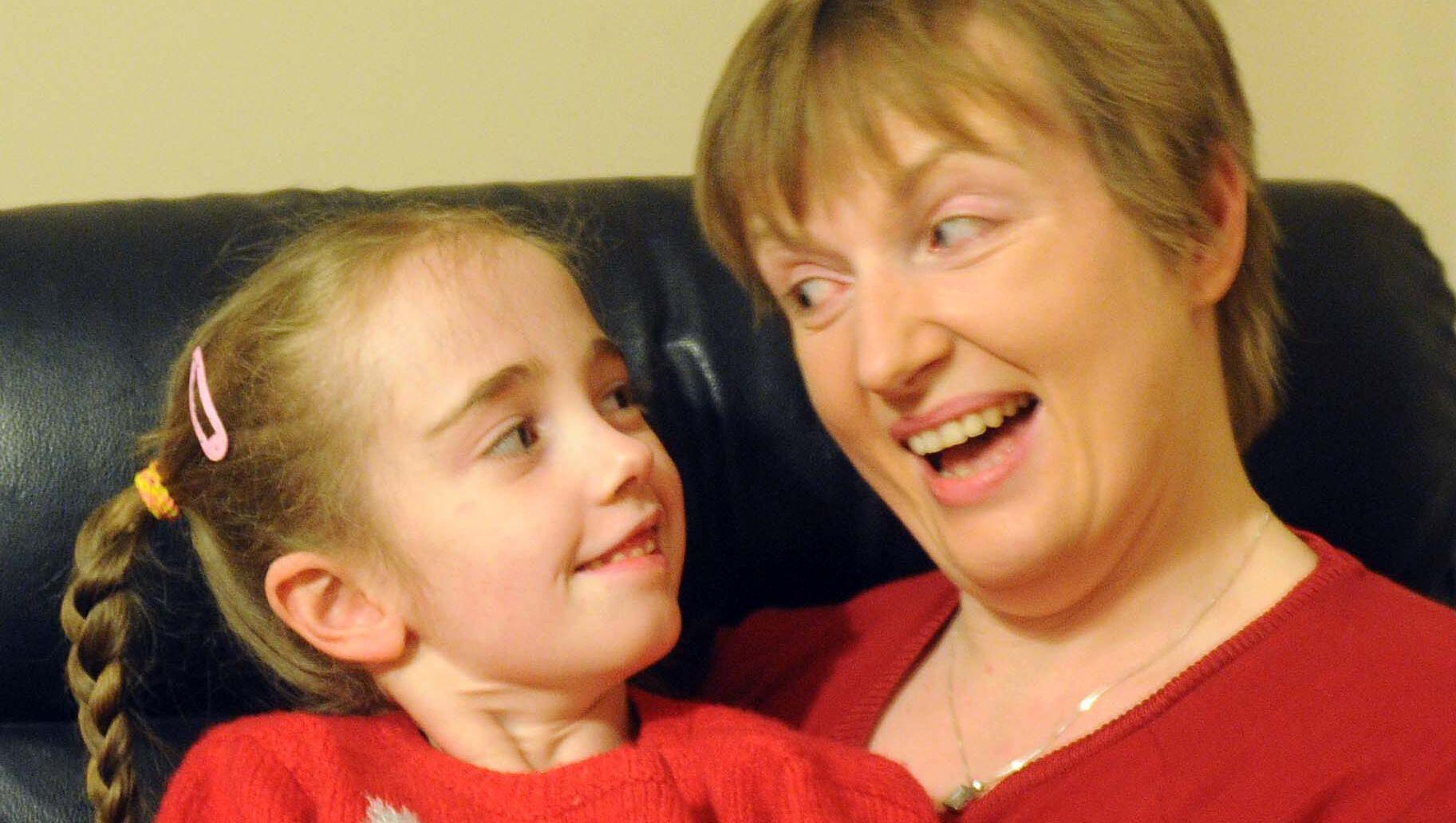
The late Ava Barry with her mother Vera. Picture: Denis Minihane
No date has been set for the implementation of a protocol recommended by the jurors in the inquest of Cork girl Ava Barry, whose mother successfully fought for access to medicinal cannabis to treat her epileptic seizures.
The 13-year-old from Aghabullogue was provided with access to medicinal cannabis for treatment for seizures arising from a form of epilepsy called Dravet syndrome, after a campaign by her mother Vera Twomey.
An inquest into her death, held last December at Cork City Coroner's Court, heard Ava had died of bronchopneumonia in Cork University Hospital, in the early hours of May 27, 2023.
A ministerial licence was granted in 2017 by then health minister Simon Harris, allowing Ava to receive medicinal cannabis.
The coroner's court was told the treatment had resulted in a 50%-70% reduction in Ava’s seizures.
It also heard there was no local or national policy on how medicines like cannabis, granted under a special licence, are administered in hospitals.
Barrister Doireann O’Mahony told the inquest Ava’s mother Vera had to remain in the Puffin Ward at CUH for several weeks during her daughter’s time there as she was the only person who was licensed to give Ava her medicinal cannabis.
The coroner, Philip Comyn, noted there appeared to be a gap in national policy regarding the administration of medical cannabis in hospital settings.
After returning a verdict of natural causes in her death, the jury recommended a national policy be developed to provide for greater supervision in the administration of medicines which are subject to a special licence. The recommendation will be known as Ava’s Protocol.
In reply to a parliamentary question by Independent Ireland TD Michael Collins, minister for health Jennifer Carroll McNeill said her officials were “not currently in a position to put a date on this process as requested”.
But she said they were “currently examining the recommendations of the Cork City Coroner’s office in relation to the administration of controlled drugs which are not medicines with a marketing authorisation”.
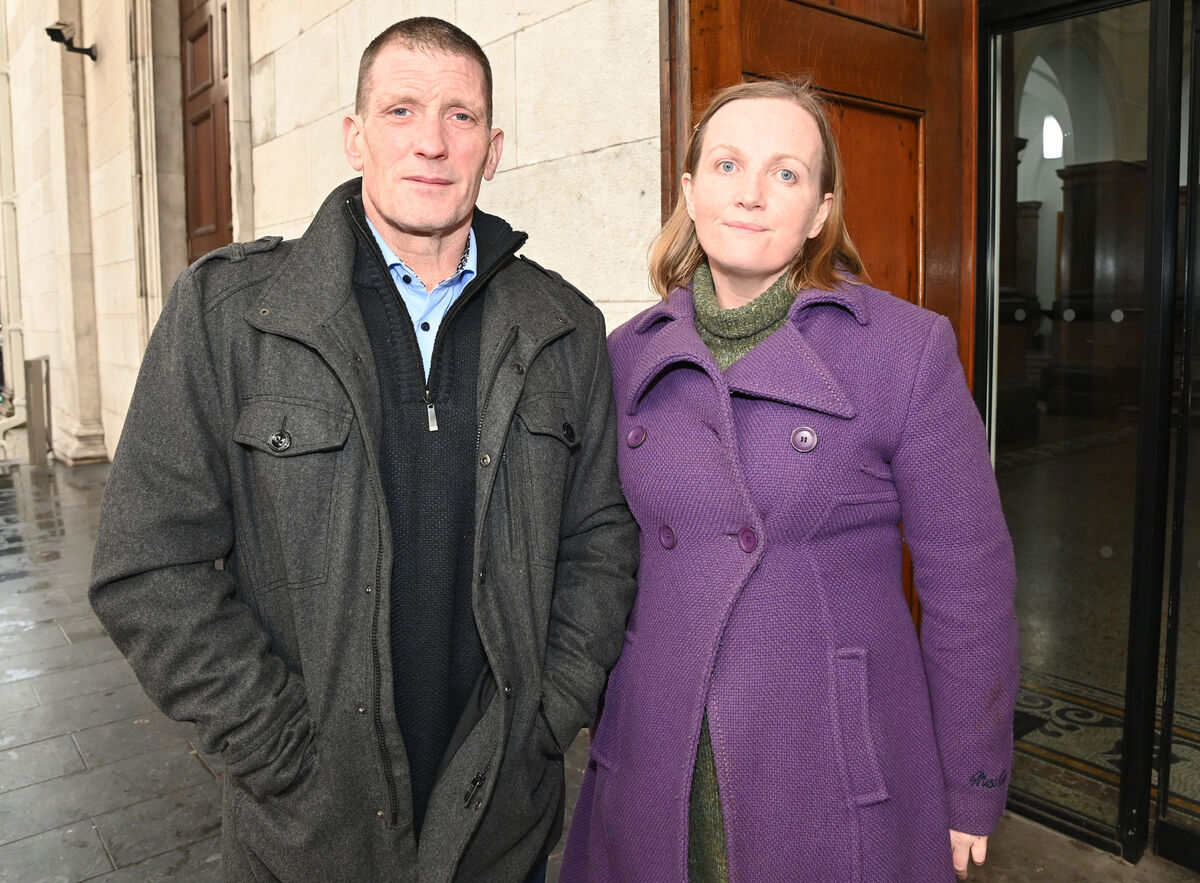
Doireann O’Mahony said the lack of a date was “disheartening”, given the recommendation was made three months ago.
“There is still no clarity surrounding when Ava’s Protocol will be implemented. This is a regrettable example of why our coroner’s service is in need of reform. It should have the power to monitor the implementation of recommendations, rather than having a situation like this which is distressing for the family who have already fought so hard,” she said.
“The jury made their recommendation after hearing distressing evidence about what happened towards the end of Ava’s life, and the creation of a policy in her name was intended to be a part of her legacy. We can only hope that it will happen, and sooner rather than later.”
Currently, recommendations made at inquests are not legally binding.
However, reform of the coronial service is currently being planned, with new legislation expected to be brought to the Government before the end of this year.
A spokesman for the Department of Justice said the consultation “sought views in respect of the ‘best approach to recording and monitoring coroner recommendations’.”
He added the report published last October arising from the consultation process “itself confirms the majority of respondents were in favour of recording inquest recommendations in a more systematic manner, eg using a centralised database”.
“Respondents also favoured the development of a system to enable the coroner service to communicate recommendations to relevant bodies and monitor their implementation. The department will continue to consider this matter and to engage with the Coroners' Society of Ireland, as work on the reform of the coroner service progresses.”


CONNECT WITH US TODAY



Be the first to know the latest news and updates