Shandon crisis should sound alarm bells in government over how we fund heritage buildings
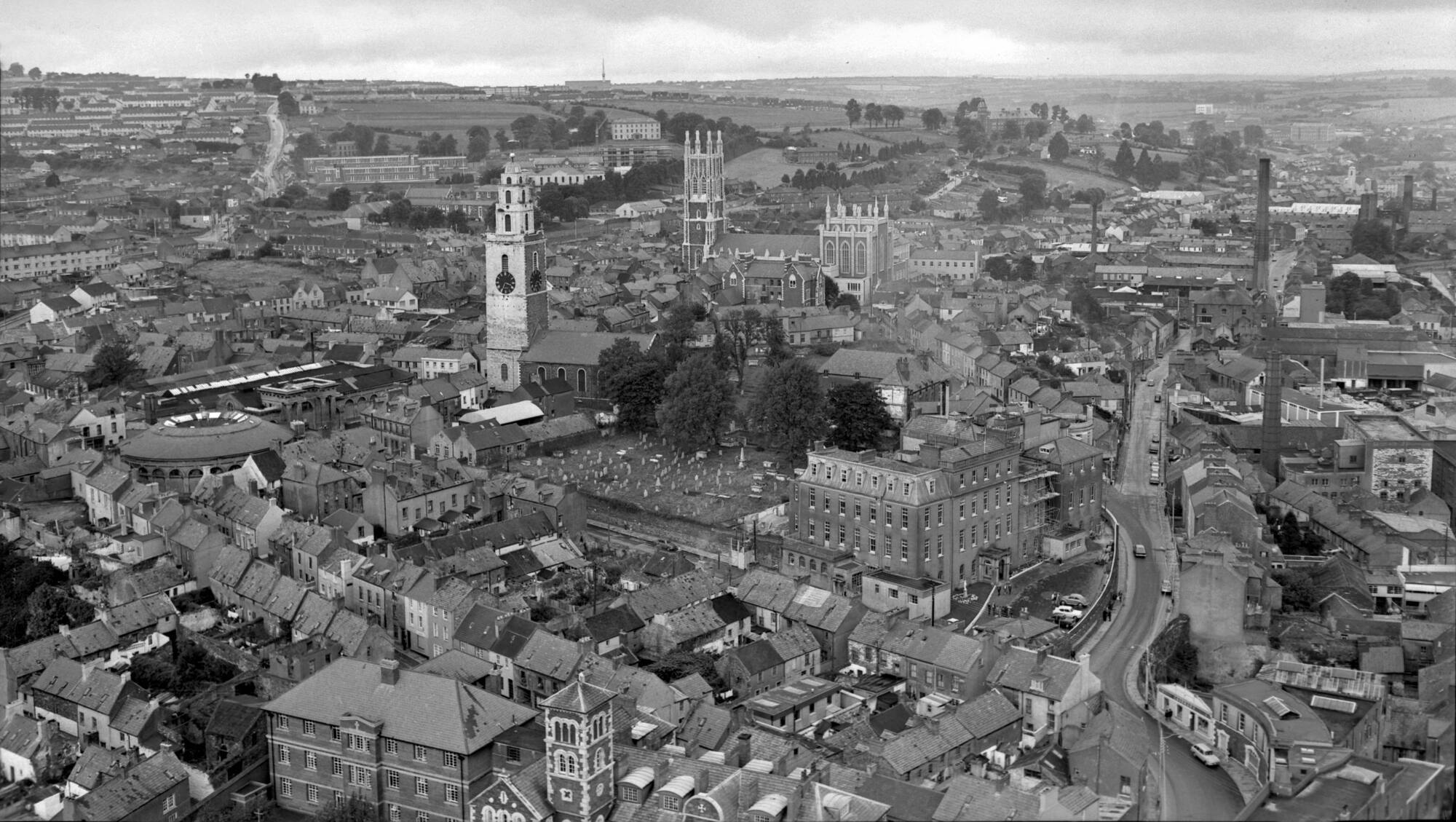
The time has come for an overhaul of the State's heritage funding schemes, a former lord mayor of Cork has said following confirmation that the city has to go cap in hand to Dublin for the second time in five years for significant funding to save one of its great heritage buildings — the famous Shandon bells.
The latest Shandon repairs could top €400,000, city councillors were told this week as another city landmark, the imposing St Fin Barre’s Cathedral, sprung new leaks after heavy rain mid-week — the third significant ingress of water into the building this year.
Just four years after having to source national funding to save the city's famous Daly’s or Shakey Bridge, and amid ongoing concerns about the roof of the famed English Market, former Lord Mayor, and historian, Cllr Kieran McCarthy, said alarm bells should be sounding in government over how it funds the maintenance of such important heritage buildings.
“We have had what are effectively bandage repairs on Shandon over the last decade,” he said.
“It’s not just the clocks that need attention. It’s clear from the outside of the building that we are going to need a lot more to secure the entire building for the future.
“But it has always been a hard push to get significant funding for large-scale heritage projects like this.
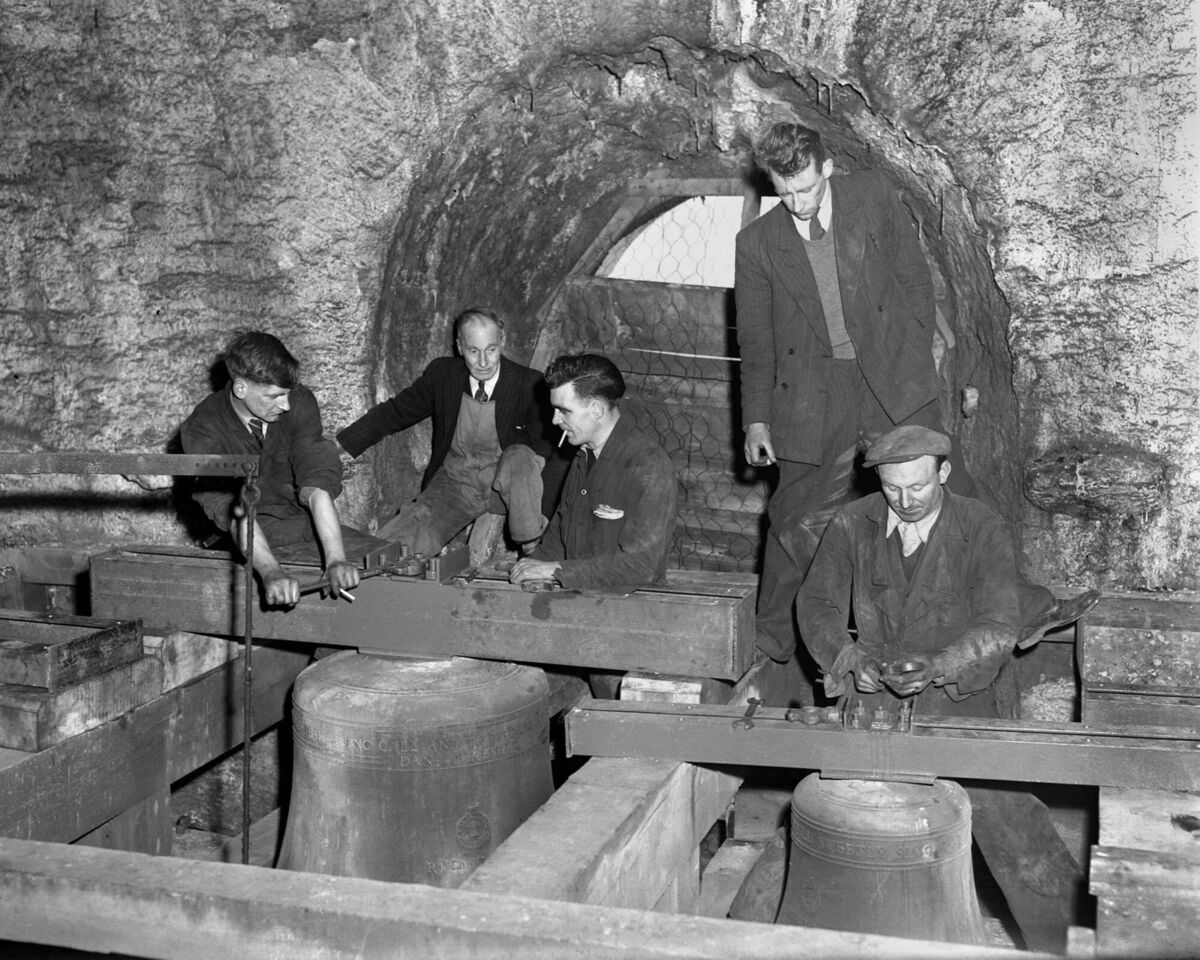
“It’s wonderful to see how the clock mechanism has survived but yet we struggle in the present day to maintain and manage it. I think it’s symbolic of a bigger issue facing heritage buildings in general.”
Known officially as St Anne’s Church, the landmark Shandon steeple was built in the late 1770s, and its famous clock mechanism, known affectionately as the four-faced liar, was installed by the then Cork Corporation in 1847.
It is owned and managed by the Church of Ireland, while Cork City Council has responsibility for the clock mechanism. There was public outcry in 2013 when the reported that its clocks were out of action for nine months.
Broadcaster Neil Prendeville mounted a fundraising campaign on Cork’s RedFM to cover the cost of repairs, songwriter Myles Gaffney penned a tune, and people dug deep — money which ultimately went to other good causes when the council agreed to fund repairs, which began the following year.
Horologist Philip Stokes, of Stokes Clocks on MacCurtain St, oversaw the 10-week repair project and has returned several times over the years to keep it ticking over.
But time is one of the great enemies of heritage structures and in 2019, major issues arose again and Mr Stokes was called in again.
He told the at the time that the mechanism problems were linked to the condition of the mortar holding the tower stones, which in turn support the main beam driving the clock’s mechanism.
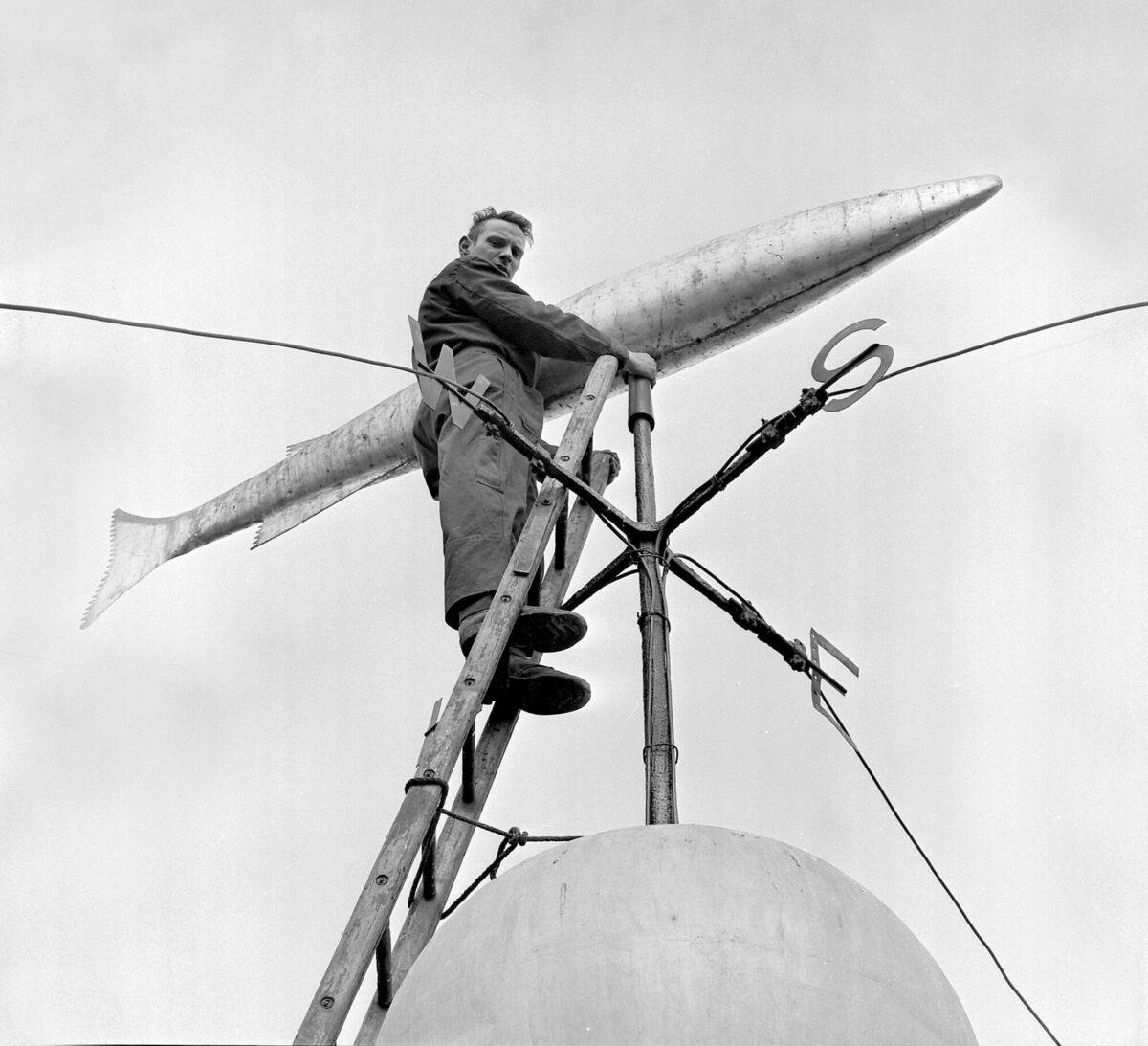
"The tower isn’t at risk of falling down but repairs to the clock mechanism are pointless until the structural issues are addressed,” he said. Climate change could be contributing to the drying out of the lime mortar, he added.
Despite his obvious love of the building and its clock, he confirmed this week that he has stepped away from the maintenance citing concerns about the tower structure, and the state of the small wooden service windows in the clock faces.
“Load of things are coming together. It’s a lot of small things, but it ends up as a big thing,” he told Mr Prendeville this week.
Dean Nigel Dunne, of St Fin Barre’s Cathedral, said the council does its best with the funds it has but he said the custodians of such heritage buildings face a constant battle to fund maintenance and repairs, before they can even consider the long-term future of the buildings.
“We have done well from some of the larger funding schemes, but very often, the State requires match funding, or a large chunk of our own funding,” he said. “We got a €100,000 grant last year and put €150,000 of our own with it, but we can’t do that every year.
“We just haven’t got the money. And as a result, we just can’t get on top of the problems.
“And that’s before we even think of maintenance or repairs. And after the rains this week, we now have water pouring in the main tower.
“We are firefighting all the time. Just when we think we’re getting on top of it, something else like this crops up.”
Climate change is also a major factor now, he said, with particulate matter affecting the stone work, rising temperatures affecting the mortar, and more frequent and severe downpours overwhelming the historic drainage systems.
“These are not just tourist destinations, or important buildings. They are at the heart of, and sustain, several communities.”
The city council’s director of services for planning, Niall Ó Donnabháin, told councillors this week that the council is committed to repairing Shandon.
But repairs to heritage structures don’t come cheap. The restoration of the 1927-built Daly’s Bridge cost around €1.7m. The restoration of the fireman’s hut cost just over €300,000.
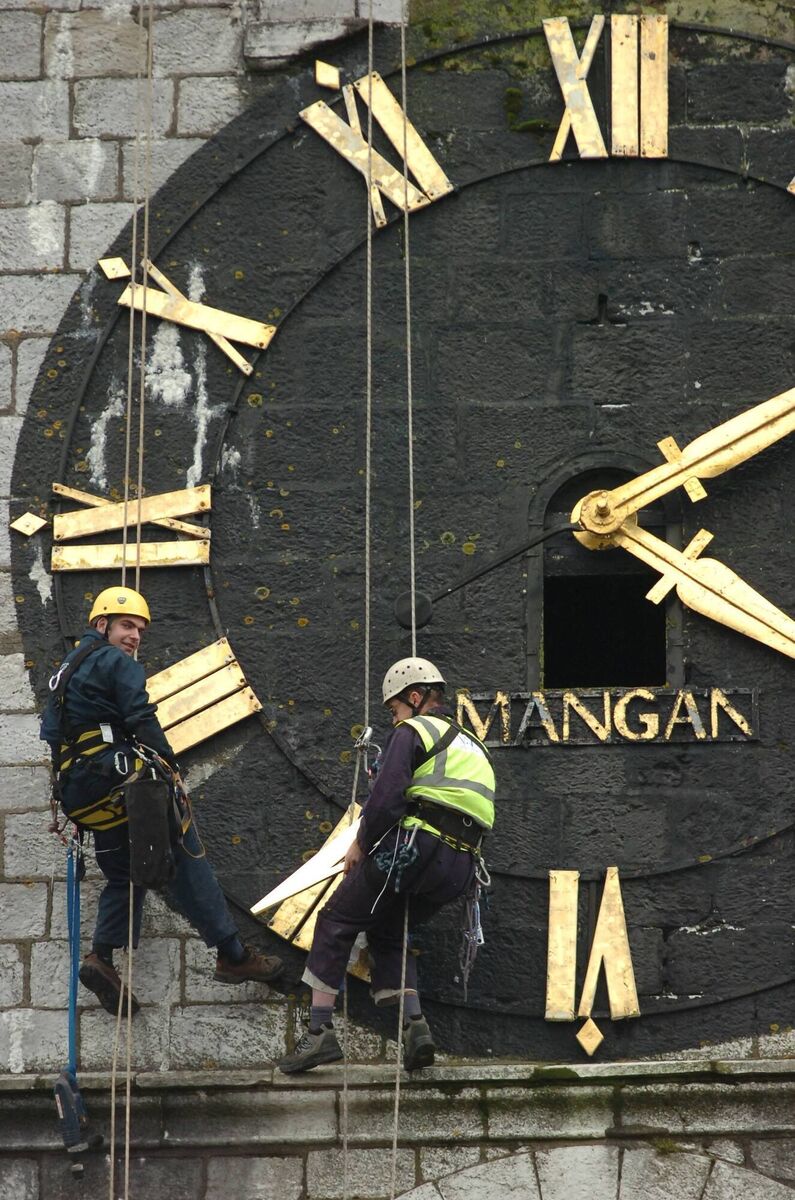
“The costs of repairs to the Shandon clock are estimated to be in the region of €400,000,” Mr Ó Donnabháin said. “Final costs will be determined prior to any works commencing. The repairs involve several specialists in conservation, horology and structural repair."
The council will apply to the department of housing and local government's historic structures fund for the money. There is no timeline for repairs and time is against the building.
CONNECT WITH US TODAY



Be the first to know the latest news and updates