Public urged to be well-equipped for mountain climbs to avoid injuries
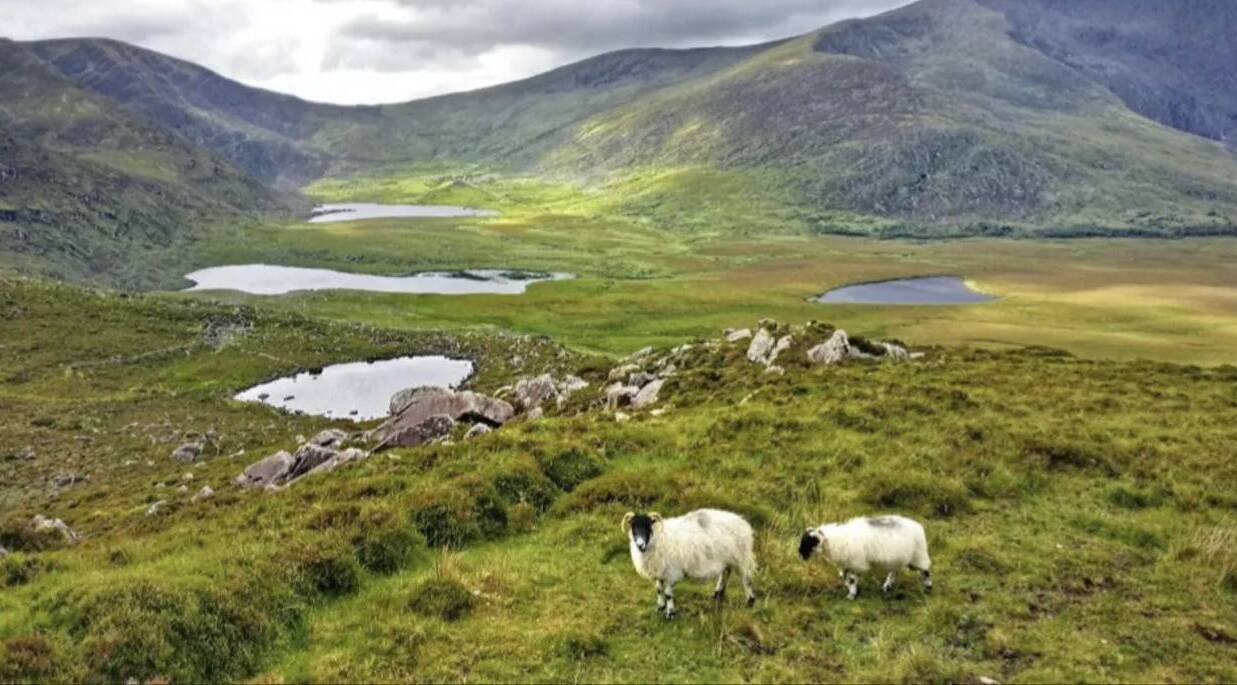
A paraglider had a lucky escape when they got into difficulty along the Conor Pass, needing to be rescued from a narrow ledge 60ft up on the cliff-edge. Picture: Daft.ie
The commander of the Dingle Coast Guard has appealed to the public to ensure they are properly equipped before undertaking a mountain climb, as many injuries occur due to lack of preparation.
Frank Heidtke, officer-in-charge of Dingle Coast Guard, made the plea just a week after a paraglider had a lucky escape when they got into difficulty along the Conor Pass, needing to be rescued from a narrow ledge 60ft up on the cliff-edge.
The paraglider, who is understood to be from Co Louth, was caught in a “precarious situation” on the mountain, suffering “nasty injuries” as a result of his landing.
He was subsequently rescued by two members of the Dingle Coast Guard, who successfully abseiled down the cliff edge to manoeuvre him onto a stretcher and lower him down onto the road for medical attention.
Due to the mountainous landscape surrounding Dingle, Mr Heidtke is well-versed in dealing with lower leg injuries which can arise after hillwalking.
Each year, Dingle Mountain Rescue receives an average of 12 rescue calls due to lower-leg injuries on the mountainside.
“Some people don't realise that because they think it's just a matter of carrying down a stretcher. But if you are on steep ground and all of that,” he added.
Often people “underestimate the dangers” of mountain climbing and follow up on a spontaneous decision they had on a sunny day, without careful planning or consideration.
“Generally, some people aren’t that well-equipped to be comfortable for a couple of hours before they can get help. They may not have their proper footwear, or their proper clothing and they may be ill prepared for that,” Mr Heidtke added.
The chief of Dingle Coast Guard describes the “compromise” that generally occurs between groups who travel specifically to climb a mountain, with a limited amount of time in the area.
“The planning process takes a secondary role and that can lead people into compromise. Then they say the day isn't that bad or it might improve and they will continue with their pre-planned mission.
“Unfortunately, the weather isn't always suitable, and a lot of the time that's the cause of difficulty, I think,” Mr Heidtke added.
"We would always say, they should be prepared. Bring extra food, plenty of clothing and certainly a map and a compass and know how to use it.
"Another big one is not to set out on your own, to bring somebody with you because when you're on your own, it's very difficult to call for help at times. People may not know that you're up there."

CONNECT WITH US TODAY



Be the first to know the latest news and updates