University of Limerick site purchase lacked formal procedures, says KPMG report
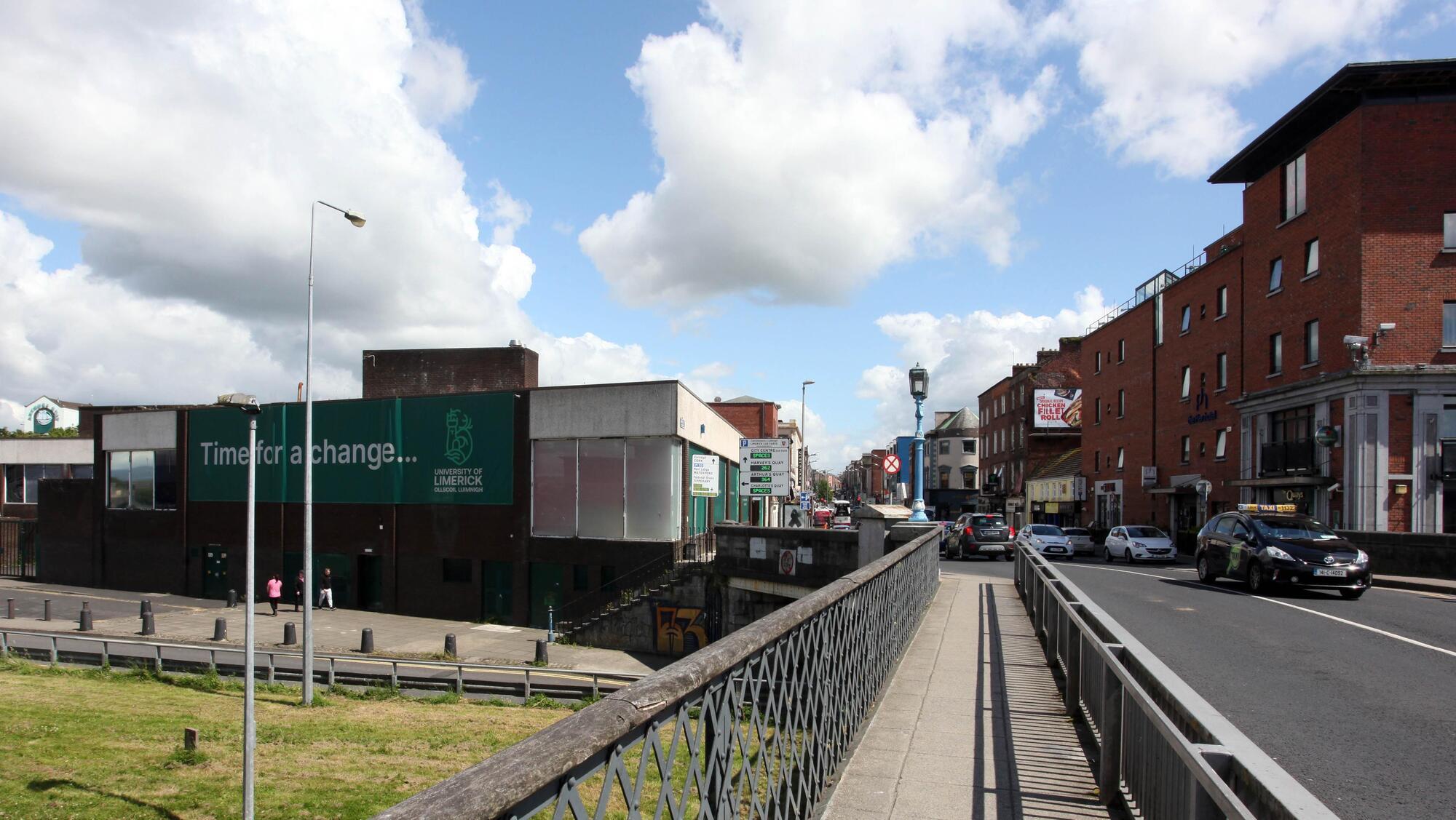
Consultants KPMG were commissioned in 2021 to review a transaction which saw UL purchase the old Dunnes Stores building in Limerick City for €8.3m in 2019, only for it to subsequently emerge that the property had not been formally valued prior to the sale. Picture: Brendan Gleeson
A marquee report into the controversial acquisition by the University of Limerick (UL) of a high-profile city centre site recommended that all such transactions go through an approvals process before being presented to the governing authority.
Consultants KPMG were commissioned in 2021 to review a transaction which saw UL purchase the old Dunnes Stores building in Limerick City for €8.3m in 2019, only for it to subsequently emerge that the property had not been formally valued prior to the sale.
It further emerged at the time that the building had in fact been valued at just €3m in 2017.
The KPMG report was first delivered to UL in December 2021 but has never seen the light of day due to a High Court action taken by the institution’s former chief operating officer Gerry O’Brien regarding some of the report’s findings.
In a briefing document for the Public Accounts Committee (PAC), the university’s president Kerstin Mey outlined the KPMG report's recommendations for the first time and described how UL “very regrettably fell into error” in the governance associated with the purchase.
She said that the governing authority had approved the Dunnes Stores purchase “on the basis of assurances that all necessary due diligence had been complied with”, only to subsequently discover that said due diligence “appeared to be lacking in certain respects”.
KPMG recommended that a formal policy for the acquisition of property be put in place by the university and that such transactions should not be put to the governing authority for its approval before first being proposed and approved by officials within its governance structure, with said process to be fully documented.
It recommended further that consideration be given by UL to “recording divergent views” in cases where the governing authority’s decision regarding a purchase wasn’t unanimous. It added that ownership of all such purchases be held by an “appropriate” UL executive and that the identity of that executive be made clear to the governing authority before any vote to ratify a purchase.
Ms Mey said that all of KPMG’s recommendations have now been implemented in full.
The delivery of those recommendations to the PAC comes ahead of two sessions the university will hold with the committee on Thursday, the private one of which will see the KPMG report’s implications discussed behind closed doors.
Ms Mey is expected to tell the public session that UL is now “a much-changed institution” as a result of “resolute action” which has seen significant changes to the university’s “operational model” and its “institutional culture”.
She will tell the committee that tackling the university’s governance issues, which stretch back for most of the past decade, “has not been an easy task”.
Ms Mey will tell the PAC that the stated change at UL is underlined by the fact that €3.7m in capital funding for the university which had been frozen by the Department of Higher Education on foot of those governance issues has since been released.
She will say that implementing those changes “has been difficult for UL and for me personally”.
“Change is difficult at the best of times. It can provoke anxiety, and sometimes frictions and counter-reactions,” she will say.
“Ensuring that the university continues to thrive has required the eradication of practices which had developed over time, and which were not in line with good governance principles.”

CONNECT WITH US TODAY



Be the first to know the latest news and updates