Barrier at Macroom's water treatment plant may not keep out microscopic parasite
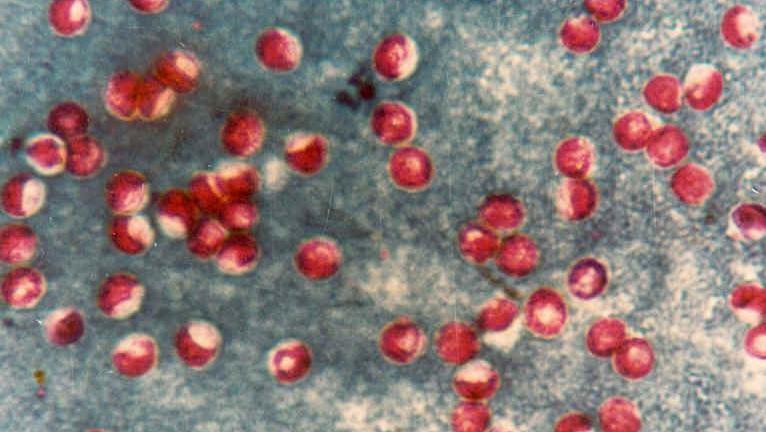
Cryptosporidium is a potentially dangerous microscopic parasite that can cause gastroenteritis.
An audit of drinking water supplies in Macroom has found that a barrier at the town’s water treatment plant may not be capable of preventing a dangerous parasite from getting into treated water.
An inspection of the Macroom public water supply by officials from the Environment Protection Agency last month said it could not verify that its cryptosporidium barrier was being maintained at all times.
Cryptosporidium is a potentially dangerous microscopic parasite that can cause gastroenteritis.
The public water supply for Macroom, which serves a population of over 4,200, has had a boil water notice in place since November 13 last due to the inability of the plant to treat the raw water effectively following heavy rain.
Cork County Council informed the EPA that a programme of enhanced filter backwashing was taking place to improve the plant’s performance in order to bring water turbidity levels back within the normal operating range.
The audit noted that Uisce Éireann (formerly known as Irish Water) was proposing an upgrade of the filtration process at the plant.
However, it said works for the upgrade were at design stage with no details of when they were likely to be completed currently available.
In the absence of appropriate turbidity alarms, the EPA said it was not possible to verify that the plant’s cryptosporidium barrier was working properly.
As a result, the EPA said it was considering adding the Macroom plant to its remedial action list, which designates public water supplies in need of corrective action, during 2023.
The plant produces a daily average of 1,500m³ of treated water with raw water abstracted from the Sullane River.
The audit noted the plant had automatically shut down on the night of November 12-13, last year in response to its turbidity alarm being triggered.
The EPA said the shutdown had prevented the discharge of potentially inadequately treated water from getting into the local network.
However, the audit also revealed that treatment process chemicals were not being appropriately managed and stored at the plant in Macroom.
It also claimed that it was not clear if the plant’s automatic shutdown mechanism was correctly operating on two other days last November when elevated turbidity levels were also recorded.
The EPA said recommendations issued from a previous audit of the Macroom plant in November 2021 had not been satisfactorily addressed including the installation of various alarms.
Uisce Éireann said it was progressing works to life the boil water notice as quickly and safely as possible, in consultation with the HSE.
It expressed hope that the restriction could be lifted by the end of January.
The utility said that over the longer term it was also progressing a major project to upgrade and modernise the Macroom plant “to increase its capacity, provide increased resilience and secure the water supply in Macroom and surrounding areas".
Uisce Éireann’s operations lead, Niall O’Riordan, expressed regret for the inconvenience of the boil water notice for its customers but stressed that public health was its “number one priority".
Meanwhile, the EPA also released audits on other drinking water supplies in the Cork region, which showed that the disinfection system at treatment plants in Castletownroche, Glanworth, Banteer, and Bandon, were working satisfactorily during inspections.

CONNECT WITH US TODAY



Be the first to know the latest news and updates