Cork's frustrated motorists face another eight months of traffic headaches
Senior transport officials defend controversial new traffic flow arrangements
Cork's frustrated motorists face another eight months of traffic headaches

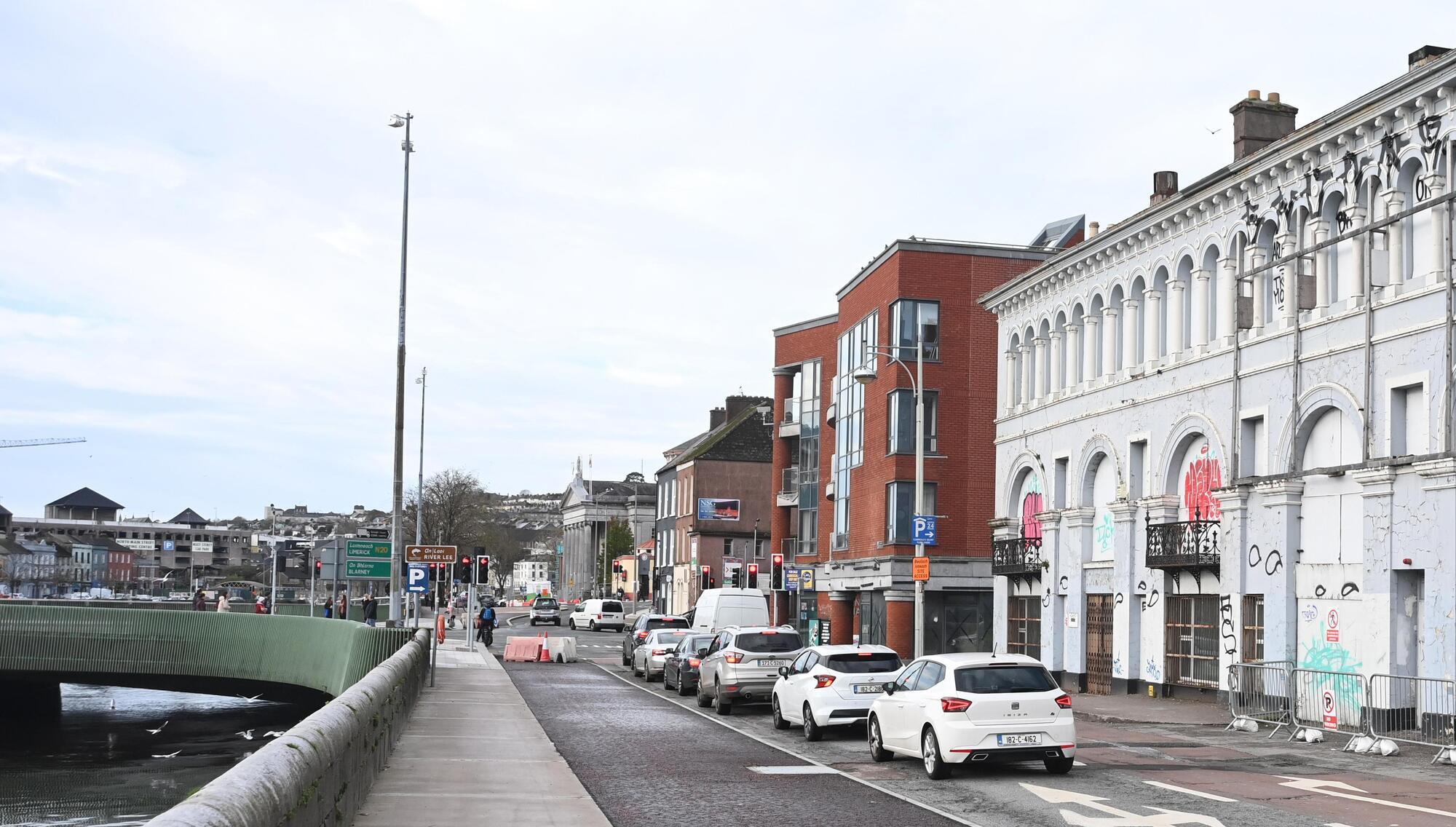
Cork City's head of infrastructure Gerry O’Beirne said the removal of the contra flow bus lane on Camden Quay has doubled the capacity for northbound traffic accessing either the N20 or Mulgrave Rd. Picture: Larry Cummins


Senior transport officials in Cork have defended controversial new traffic flow arrangements, insisting that they are a vital part of a wider strategy to manage the city’s traffic.

The comments are contained in a detailed report to city councillors who raised concerns during Monday’s city council meeting about the impact of the changes, especially the elimination of the right turns onto St Patrick’s Bridge and Christy Ring Bridge for northbound traffic.

The changes caused traffic chaos when they were introduced last year as part of the MacCurtain St public transport scheme, which is the latest major project to be delivered under the council’s City Centre Movement Strategy.

And while councillors were furious about it before Christmas, Sinn Féin’s Mick Nugent told the meeting that “things have quietened a tad” in recent weeks, and he welcomed confirmation that the matter will be reviewed on an ongoing basis.

Fine Gael councillor Des Cahill said officials had indicated that “all our problems will be solved” by September.

“I would like to think late August, as schools return in September, so we’ll push for August so that when the schools come back, all our problems will be fixed,” he said.

Northbound traffic

In a detailed update, the city’s head of infrastructure, Gerry O’Beirne, said the new northbound traffic arrangements are “integral” to the overall strategy.

“The related restriction on right-turn movements on St Patrick’s and Christy Ring bridges has enabled the provision of the necessary second eastbound traffic lane on Lavitt’s Quay and enhanced the capacity of the junction,” he said.

“These elements are critical for the accommodation of traffic entering the city from the northside, which will increase as the scheme progresses and also critical to the continued accommodation of flows from the southwest of the city via Bachelor’s Quay.”

The City Centre Movement Strategy, which was adopted as policy by councillors several years ago, and the Cork Metropolitan Area Transport Strategy both seek to reallocate more city centre road space to bikes and public transport and to manage through traffic on the limited road space.

All the recent work along the northern quays is part of the MacCurtain St public transport scheme which includes new bus lanes, bus-only right turns and bus priority at traffic lights, significant pedestrian improvements and a new segregated two-way cycle route on the northern quays.

It will ultimately lead to the reintroduction of two-way traffic on MacCurtain St and a complete renewal of the streetscape.

Mr O’Beirne said over the past year, a number of pinch points and circuitous traffic routes have been removed, the removal of the contra flow bus lane on Camden Quay has doubled the capacity for northbound traffic accessing either the N20 or Mulgrave Rd, while other improvements on Penrose and Patrick’s Quay have also significantly improved the flow rates and available capacity on the north quays.

Meanwhile, a new international report calculates that motorists in the city lost an average of 68 hours stuck in traffic in 2022. 

The 2022 Global Traffic Scorecard by Inrix ranked Cork the 71st most congested city in the world with the number of hours lost in traffic up 95% on the previous year.

x

More in this section

Lunchtime News

Newsletter

Keep up with stories of the day with our lunchtime news wrap and important breaking news alerts.

Cookie Policy Privacy Policy Brand Safety FAQ Help Contact Us Terms and Conditions

© Examiner Echo Group Limited