Killarney asphalt plant gets emissions licence despite objections

Opponents of the plant had expressed concern that the site of the proposed Roadstone facility is just 600m from Killarney National Park. Picture: Valerie O'Sullivan
The State environmental watchdog has upheld a decision of Kerry County Council to grant an emissions licence for a controversial new asphalt plant near Killarney.
The Environmental Protection Agency rejected an appeal against the council’s decision by several local residents living near the site of the proposed new Roadstone plant in Clasheen.
However, the EPA directed the local authority to make a number of amendments to the air emissions licence granted to Roadstone.
A report by the EPA showed the main emissions coming from a single exhaust stack planned for the facility would be sulphur dioxide, nitrogen oxides, particulates and other products of combustion from the production process.
In its ruling, the EPA said it considered the operation of the proposed asphalt plant, subject to compliance with its conditions, would not result in air pollution and would be compatible with the protection of the amenities of the area and of public health and the environment.
The EPA said it had taken into consideration the relevant air quality standards, information provided by Roadstone, the appeals and submissions and the report of its inspector in reaching its decision.
It pointed out it had also completed an appropriate assessment of the likely significant effects of the industrial plant on sites of environmental importance protected by EU legislation.
They included Killarney National Park, MacGillycuddy’s Reeks and Caragh River Catchment Special Area of Conservation, Shehere Bog SAC and Killarney National Park Special Protection Area.
Opponents of the plant had expressed concern that the site of the proposed Roadstone facility is just 600m from Killarney National Park.
The EPA noted a stage 2 appropriate assessment had been required as it could not be ruled out at the screening stage that emissions from the plant at Clasheen would have significant effects on European sites in the vicinity.
However, the EPA said it had completed the appropriate assessment of potential impact based on “best scientific knowledge in the field” and had made certain the plant would not adversely affect the integrity of any European site.
It observed there would be no direct loss of habitat as the asphalt plant was located outside the boundaries of protected areas.
The EPA said emission limits would be restricted as there was potential for sulphur and nitrogen emissions to impact on terrestrial habitats if they were not below relevant air quality standards for the protection of ecosystems and vegetation.
The agency said air dispersion modelling had demonstrated that emissions from the plant to nitrogen deposits in raised and blanket bogs would be less than 1% of their critical loads and at a level that was “insignificant”.
The EPA also directed that noise emission levels would be limited at nearby noise sensitive locations.
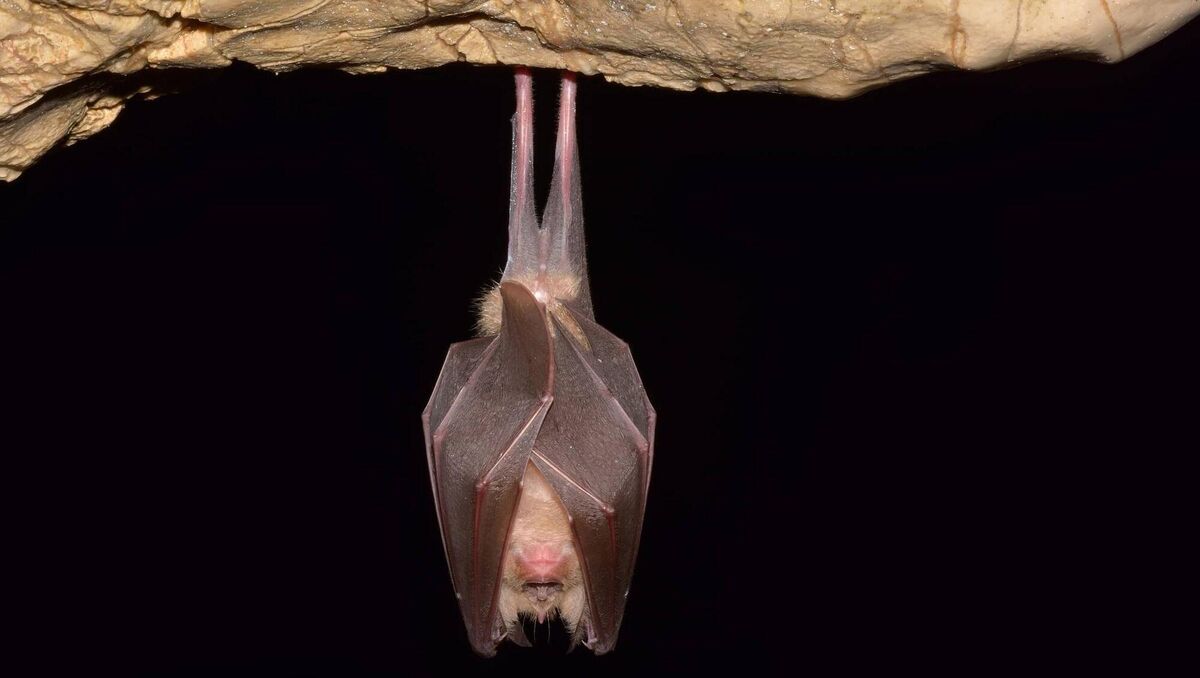
It claimed the location of the habitats of the protected species, the lesser horseshoe bat, were several kilometres away and could be considered “outside the zone of influence of the plant”.
“The agency is satisfied that no reasonable scientific doubt remains as to the absence of adverse effects on the integrity of those European sites,” it added.
The terms of the emissions licence will require Roadstone to carry out noise monitoring in the first four weeks of the operation of the plant and thereafter on a quarterly basis.
The company is also required to organise the regular monitoring of emissions to the atmosphere and dust deposits under the terms of the licence.
CONNECT WITH US TODAY



Be the first to know the latest news and updates