'Miracle' that people in Cork not drowned in beds, says minister
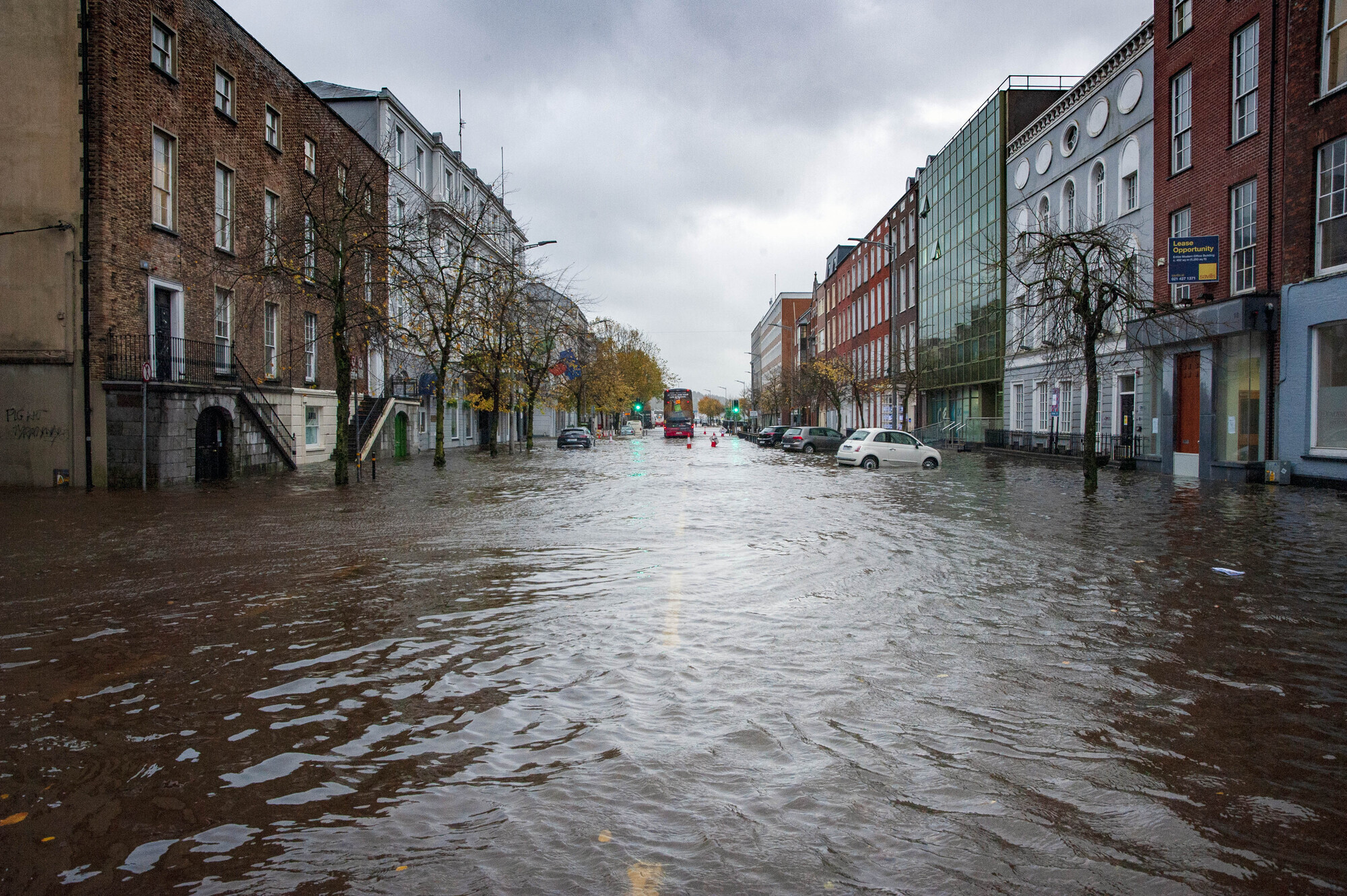
Minister of State at the Office of Public Works Patrick O'Donovan said the danger of flooding in Cork city causes him the greatest concern. Picture: Daragh Mc Sweeney/Provision
It is a miracle that people were not drowned in their beds in Cork during periods of intense flooding, a junior minister has said.
Discussing the very real and imminent threat that climate change poses to the country, Patrick O'Donovan said the danger of flooding in Cork city causes him the greatest level of concern.





CONNECT WITH US TODAY



Be the first to know the latest news and updates





Lunchtime News
Newsletter

Get a lunch briefing straight to your inbox at noon daily. Also be the first to know with our occasional Breaking News emails.

War of Independence Podcast
A special four-part series hosted by Mick Clifford
Available on
www.irishexaminer.com/podcasts

Commemorating 100 years since the War of Independence

Check out our diverse library of newsletters and get the best of the Irish Examiner delivered straight to your inbox
Most Read
Wednesday, September 30, 2026 - 9:00 PM
Wednesday, September 30, 2026 - 10:00 PM
Wednesday, September 30, 2026 - 6:00 PM