Farmers left high and dry in rainless West Cork
Many farmers in the region believe that any heavy precipitation at this stage would be too late to make any real difference.
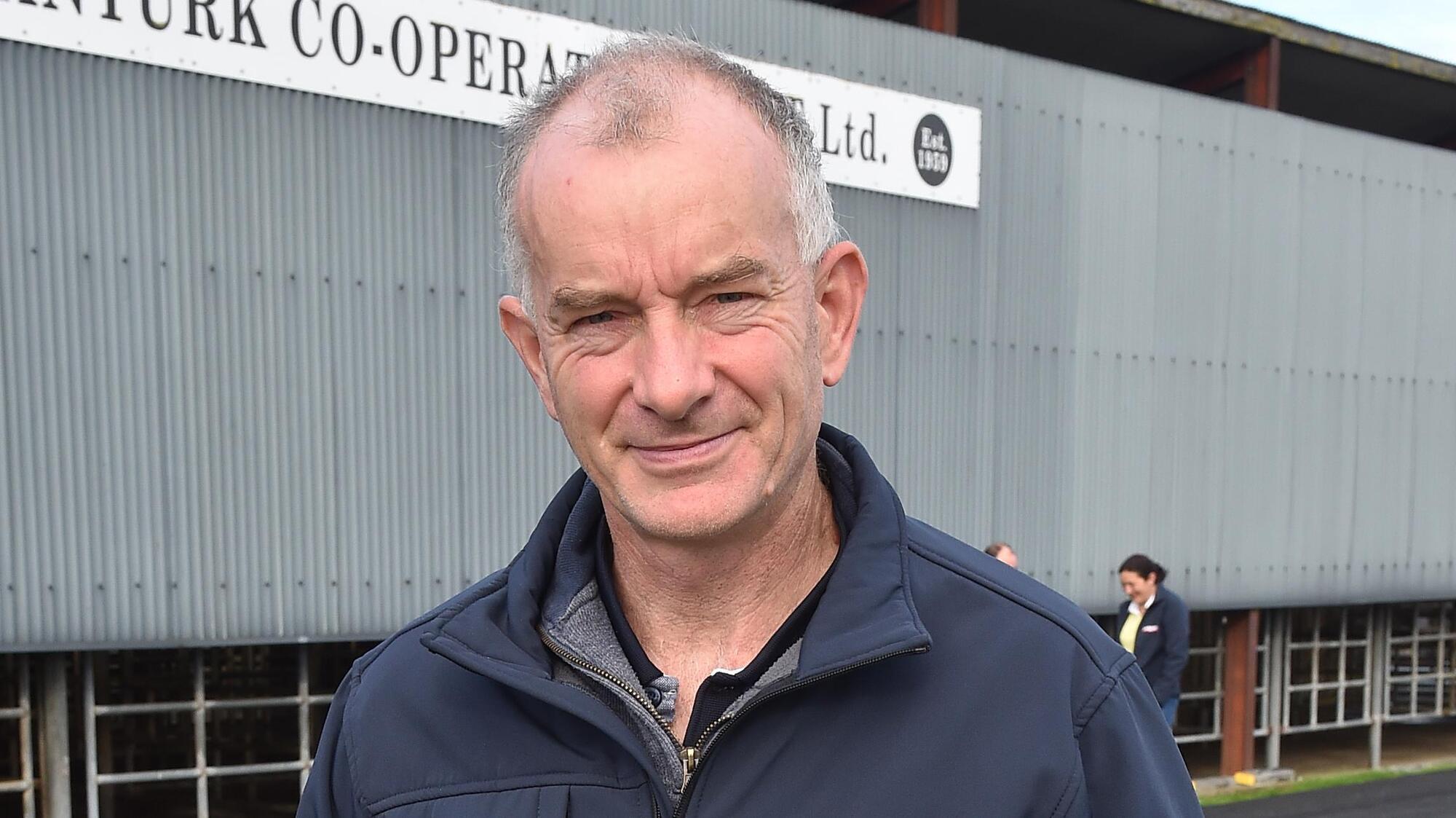
 Harold Kingston at Kanturk Mart, Co Cork. Picture: Dan Linehan

Harold Kingston at Kanturk Mart, Co Cork. Picture: Dan Linehan

"You cannot farm by the calendar," says Harold Kingston. "The calendar gives you an indication, but you work on the basis of the conditions you have." 

And the conditions, as the Barryroe-based diary farmer well knows, are currently not at all favourable. 

A lack of rainfall has meant hard ground and pressure on farmers and other businesses who use water, with a prevailing view that any heavy precipitation at this stage would be too late to make any real difference.

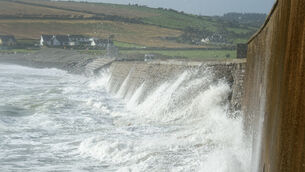
A hosepipe ban has come into force in West Cork and will remain in place for the next four weeks until midnight on September 26, impacting approximately 38,000 people in the area. The Water Conservation Order covers areas as far afield as Adrigole, Allihies, Bantry, Castletownbere, Clonakilty, Dunmanway, and Skibbereen.

The browning grasslands tell their own story. Some farmers have been delivering silage bales to cattle at a time when there has usually been grazing aplenty after two or even three cuts of silage. 

Changing weather patterns

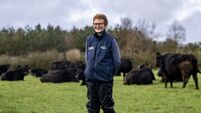
Harold Kingston is a well-known farmer and an active presence on Twitter, and like many in agriculture, he's a part-time meteorologist, clocking that the situation in his part of the world is different to even somewhere like Macroom, just an hour away.

"I have had to put in extra water pumps and so on, because I cannot depend on mains supply," he says, adding that unlike many businesses, farmers pay for mains water. 

I am currently looking at what animals I house first, because nothing is growing and nothing will grow now, it's too late."

Rainfall might visit the area this coming weekend, and unlike previous summers when there has been poor growth, there is fodder and feed available. But any heavy rainfall now, he says, will likely just have the effect of cattle cutting up the ground — the asset that must be protected. It is likely to mean animals being housed earlier.

Harold also believes some farmers will look at the changing weather patterns and either adapt their current enterprise, or switch to a different type of farming — "some because of the weather, some because of the economics".

But one thing that is changing is the climate. "This year is unusual because it has not rained now in August — it always rains in August," he says. 

Maybe not anymore.

CLIMATE & SUSTAINABILITY HUB

More in this section

Lunchtime News

Newsletter

Get a lunch briefing straight to your inbox at noon daily. Also be the first to know with our occasional Breaking News emails.

Cookie Policy Privacy Policy Brand Safety FAQ Help Contact Us Terms and Conditions

© Examiner Echo Group Limited