'Ireland needs to close this case' - du Plantier's son welcomes cold case review
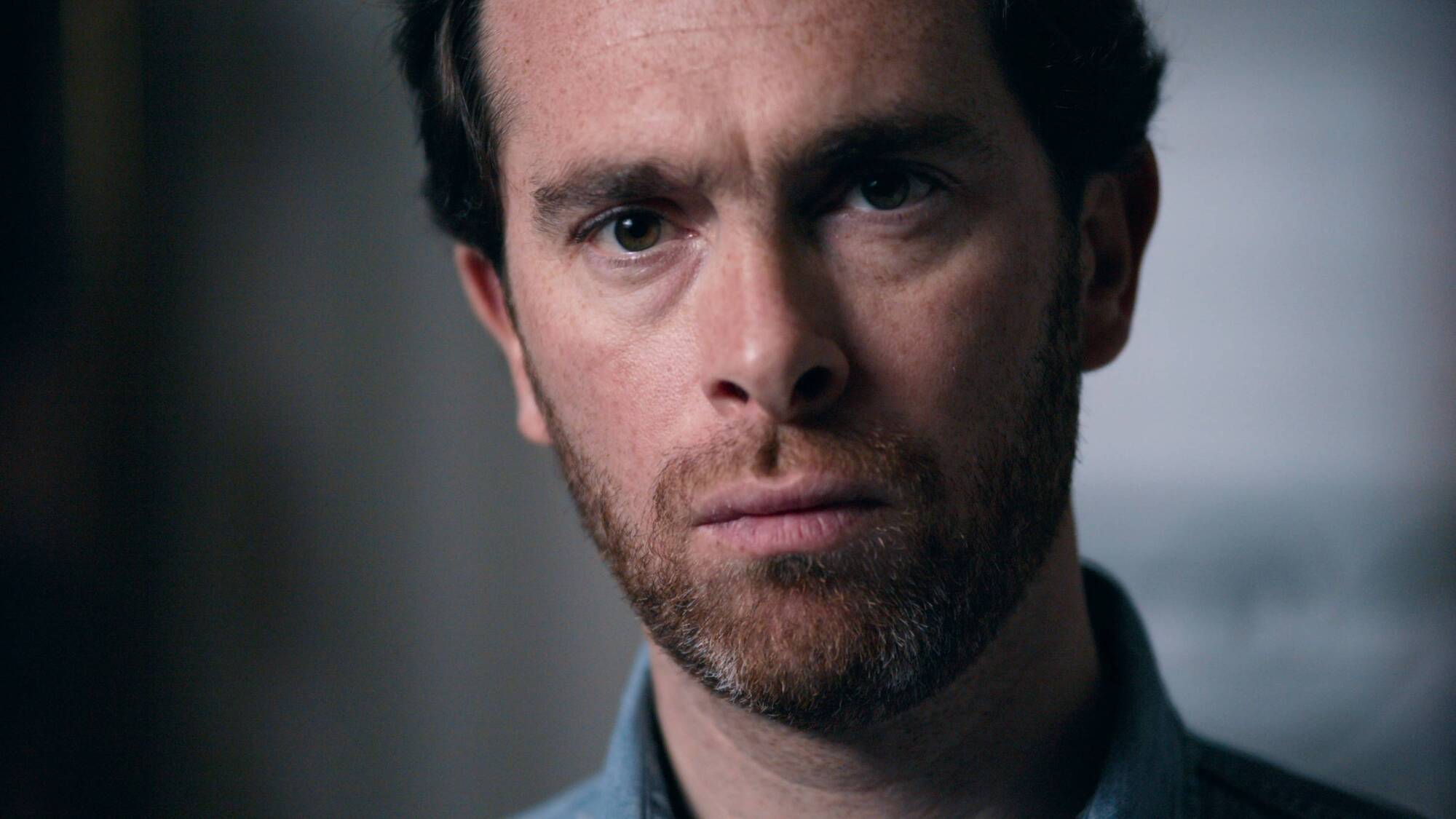
Piere-Louis Baudey-Vignaud told RTÉ radio’s News at One his family had “big expectations” for the outcome of the review.
The son of Sophie Toscan du Plantier, Pierre-Louis Baudey, has welcomed the cold case review of his mother’s death, saying “Ireland needs to close this case.”Â
Mr Baudey said he was informed of the review by a telephone call from gardái at lunch time on Wednesday.
It comes as Ian Bailey says he hopes the review will finally clear him of the murder of Ms du Plantier.
Mr Baudey's family had been “deeply involved” in the fight for justice for his mother, he told RTÉ radio’s News at One and they had “big expectations” for the outcome of the review.
There had been pressure from the public, the family, the media, the European Union and women’s groups which had been recognised by the gardaà and had led to the review, he said. There was now new technology, new elements which could make a difference.
Mr Baudey said he believed that if a new investigation was being launched it was because the authorities believed there was new evidence. He said his family had been waiting 26 years for justice, they were hoping to finally have closure and justice.Â
The Irish people also needed closure, it was important for Irish justice, he added.
This investigation was separate from the French investigation which had led to Ian Bailey being found guilty in absentia and sentenced to 30 years imprisonment.
He finished by saying: “Ireland needs to close this case.”
Mr Bailey's solicitor, Frank Buttimer, has said that his client will fully co-operate with the new inquiry "to the extent that he is required to co-operate".
Speaking following the news of the review, Mr Buttimer said as far as he is aware there are no firm indications that the review could yield new information.
However, the Cork-based solicitor said that he is aware of a new witness who claims to have seen a suspect on the night. There are reports that the individual has signed an affidavit to that effect.

"I believe it is something that has come to the attention of An Garda SĂochána. Its evidential value or its evidential reliability would clearly be a matter for An Garda SĂochána.
"It is probably one of the lines of inquiry which will be pursued."
Mr Bailey believes the decision to conduct the review is because he asked the Garda Commissioner to do so. He said that he first heard that there would be a review through the media.
"I wrote to Drew Harris as a clean pair of hands to do with this case because he was obviously not involved in the previous investigations," said Mr Bailey.
"I asked him to carry out a cold case review and I welcome the news."
Speaking about what he hopes the review will achieve, Mr Bailey said he hopes his name is cleared.
He said he has been praying for the past 25 years that the truth would come out before he dies. Mr Buttimer said that uncovering the truth is a mammoth task but he hopes there is a possibility of success.
Speaking to RTÉ Radio's , Mr Buttimer said that he hopes the review will be properly resourced and structured.
One of the problems with the case, according to Mr Buttimer, is the manner in which the initial investigation was conducted.

"Crime scene matters, forensic matters... matters concerning pathology and so on. Which, if they had been more carefully addressed at the time, might have led to lines of inquiry or might have led to evidential gathering at that time.
"That is not necessarily a criticism by the way because one must remember the location of the dreadful crime. It is of a remote nature. All of those things had a relevance at the time."
He continued: "I suspect that that level of material if it had been available, would probably have been regarded as being useful by now. One can never rule it out, obviously."
Meanwhile, former sergeant-in-charge of the Cold Case Unit, Alan Bailey, said the crime can be solved after over a quarter of a century.
"The passage of time doesn't affect cold case reviews, if anything it would have the opposite effect insofar as people may have changed loyalties or may no longer be in fear. There may also be advances in science.
"All of those things put together can make a huge difference in crime investigation."