Parasite in Foynes drinking water could pose risk to public health 
Parasite in Foynes drinking water could pose risk to public health 

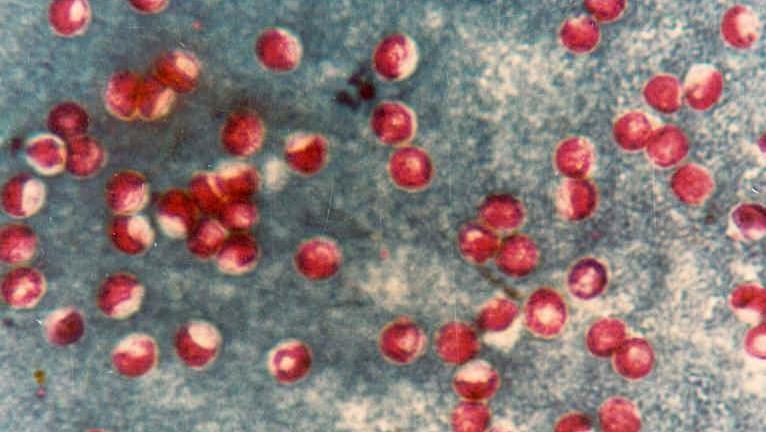
The EPA has expressed concern over the detection of Cryptosporidium in drinking water supplies in Foynes, Co Limerick.

The State environmental watchdog has said it is considering enforcement action due to the ongoing detection of a parasite that could pose a danger to public health in drinking water supplies in the Foynes area of Co Limerick.

The Environmental Protection Agency said it was “very concerned” about several detections of cryptosporidium, a parasite found in human and animal waste, at the Foynes/Shannon Estuary water treatment plant this year.

An audit by EPA officials of two breaches of recommended limits of cryptosporidium at the plant on February 23 and April 13 found they were most likely due to “a deterioration in raw water quality combined with significant deficiencies and pressures on the treatment processes at the plant.” 

The EPA acknowledged that the incident was suitably escalated and managed to protect public health.

While the HSE was notified by Irish Water of the breaches, it was decided that they did not constitute a risk to public health as there had been no cases of cryptosporidium in the local community linked to the treatment plant.

However, it also noted that there had been another breach of the recommended limit of cryptosporidium in the supply at the Foynes treatment plant on May 15 following the audit inspection.

Remedial works

EPA officials said remedial works were needed on filters at the plant which provides drinking water to a population of over 7,200 in the Foynes area.

The EPA said the current chemical dosing regime at the plant was insufficient to cater for the considerable variation in the quality of raw water entering the scheme from the River Deal.

Irish Water has been conducting weekly tests for cryptosporidium on supplies at the plant since a previous audit in October 2021.

Inadequate protection

The company said its investigations had determined that the latest incidents with cryptosporidium were associated with poor raw water quality linked to storm events as well as a number of deficiencies at various stages of the water treatment process.

 The EPA audit found that filters used as barriers to cryptosporidium entering the drinking water supply were less than the recommended depth.

It also found the location of where water is abstracted to supply the plant is not adequately protected against contamination and high variations in turbidity (cloudiness) levels were recorded over the past six months.

The EPA said Irish Water had not fully implemented all the recommendations it had made in its previous audit last October.

Although the EPA recommended then that the storage reservoir for the Foynes plant should be inspected and cleaned as a matter of priority, Irish Water said an inspection would not be carried out until 2023 as it was currently in the process of procuring contractors for the work.

The EPA made a total of 10 new recommendations including the need for Irish Water to submit an action plan with a timeframe for completion of works to address problems highlighted at the Foynes plant.

Irish Water said the refurbishment of filters at the plant should be completed by the first quarter of next year.

More in this section

Lunchtime News

Newsletter

Get a lunch briefing straight to your inbox at noon daily. Also be the first to know with our occasional Breaking News emails.

Cookie Policy Privacy Policy Brand Safety FAQ Help Contact Us Terms and Conditions

© Examiner Echo Group Limited