'The people of Ukraine will never give in' - Plumber returns to Cork from the war
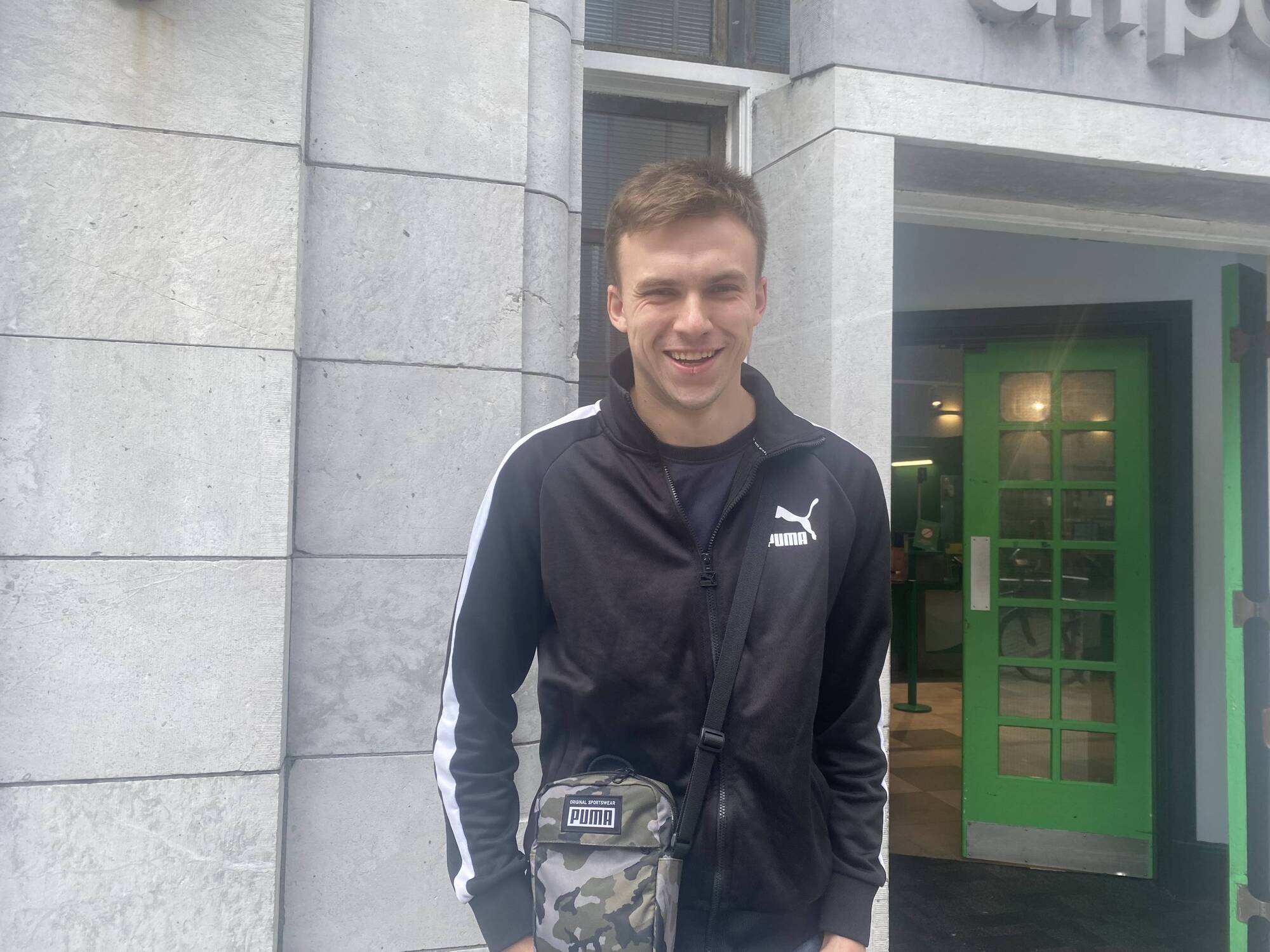
Pavlo Serdiuk: “My sister hasn’t gone back to school since the beginning of the pandemic. She is only nine, so she doesn’t really understand the war."
"You get used to living with war," a 23-year-old plumber said, after going from Cork to Ukraine and back again since Russia invaded his homeland.
On February 24, Pavlo Serdiuk discovered Russia had invaded his home country after he woke to the sound of his father screaming down the phone at 4am. "At first, I didn’t believe him, I was in shock," the Cork-based plumber recalled.
But within three days of the invasion beginning, Pavlo had begun travelling to Ukraine with a group of mostly ex-military men to fight the Russians and defend his people.
He arrived back in Cork last week. Most of the journey to Ukraine is a blur but the reality of war was quickly normalised.
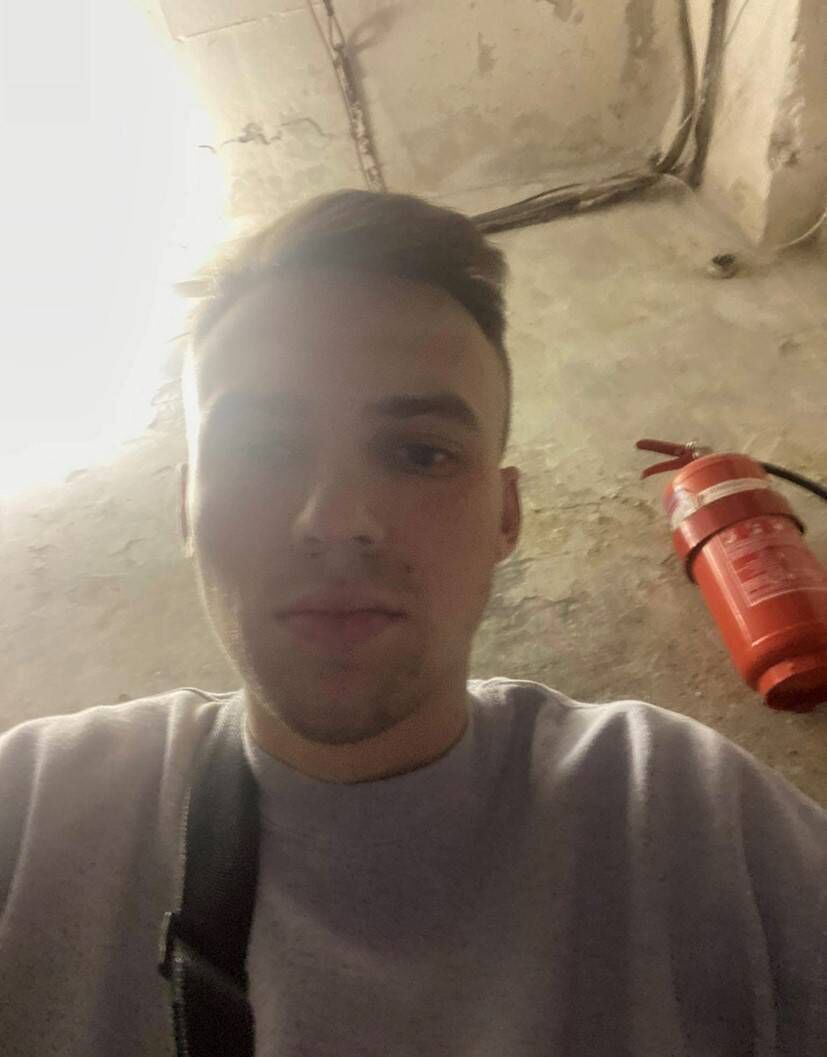
“You get used to living with war. After a few weeks, it becomes normal, people stop going down to the shelter every time the alarm goes off to let them know that Russian missiles might be coming. At some point, they start to prioritise getting some sleep,” Pavlo explained.
The 23-year-old’s family has been ripped apart since the Russian invasion began.
Pavlo said that before Russia annexed Crimea, his uncle would visit from his home in Russia regularly, but after 2014 he started saying “horrible things about Ukrainians, that we eat children and other crazy stuff, he was just repeating what he heard in Russia all the time.”
Though the invasion has turned his world upside down, the conflict between the two countries started to shape his life much earlier — it was the reason why he moved to Ireland at 17 years old.
“My mother didn’t want me to move here until Russia took control of Crimea. She knew that the conflict between our countries wasn’t going to end there, and she was afraid that I would be conscripted into the army,” Pavlo explained.
Life wasn’t easy for him at first in Cork, he didn’t speak the language, and the Cork accent didn’t make learning any easier. Pavlo recalls getting up at 5am every day to cycle to work at Dunnes Stores in Douglas, where he would teach himself English on his lunch breaks.
“There are a lot of differences between life in Ireland and Ukraine, for one thing at home we have proper seasons, it snows through the winter and the summer is really hot, that is one thing I miss.
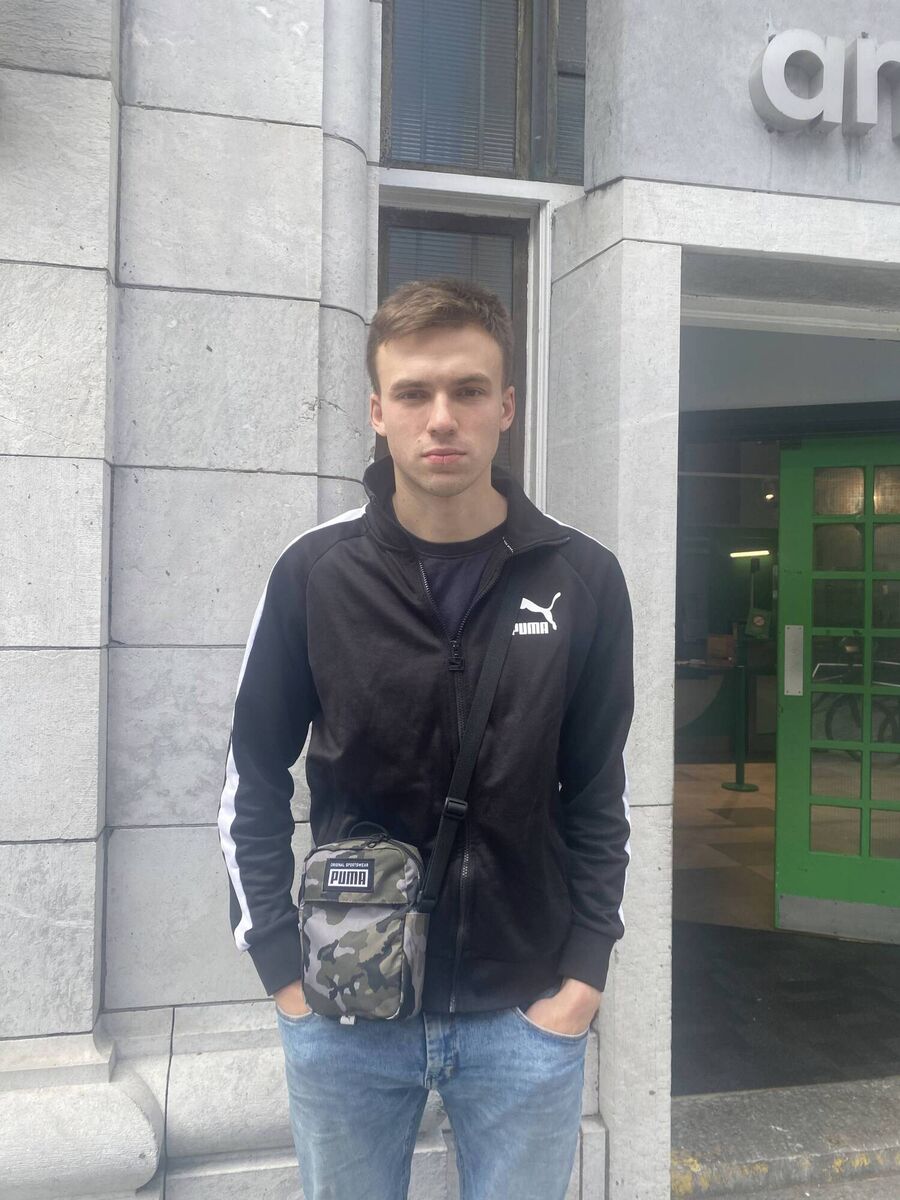
“But people are welcoming in Ireland and there are better opportunities, people are poorer in Ukraine, you get paid less for the same work,” Pavlo said.
Six years on, life was going well for Pavlo in Cork. He was in the middle of a plumbing apprenticeship with Trevor Hill in Ballincollig and Cork had finally become his second home.
But when Russia invaded Ukraine, there was no question in his mind that he wanted to go home to be with his mum and his nine-year-old sister and help in any way that he could.
“I saw an ex-army man, who was living in Laois, post in a Facebook group calling for Ukrainians in Ireland to travel home and join the fight. I contacted him to ask if my father and I could go with him,” Pavlo said.
The Serdiuk men travelled with eight others to Krakow through Dublin Airport on the Sunday after the invasion began. An RTÉ camera crew interviewed him before he boarded the plane. Pavlo was scared, but said it was his “duty” to go to Ukraine.
He had no idea what to expect once his group crossed the border into his home country. “In Krakow, we had a discussion in the airport and decided that the guys with military experience would go straight to Kyiv, and I and my dad would travel to Lutsk in the west with a few others.
“At that time, we didn’t know how big the threat was to my mum and my little sister, we thought that the Russians might invade through Belarus, so we wanted to get to them as soon as possible and then decide a plan of action from there,” Pavlo explained.
Lutsk was extremely busy as people fled there from Kyiv and other parts of Ukraine. Pavlo was emotional seeing his mother, Larissa, and his sister Alisa.
Pavlo said:
Pavlo and his family were now living under a curfew, all shops were closed, and Lutsk was in lockdown.
“I tried to sign up for the army straight away, but we were told that only people with prior experience were going to be trained. There turned out to be lots of small bits of volunteer work that needed to be done and I focused on that.
“I worked with some friends back in Ireland to buy helmets and medical equipment for the army. I also put a Tralee fire brigade crew in touch with the Lutsk fire service, so we could get fire and rescue equipment across, which was badly needed.
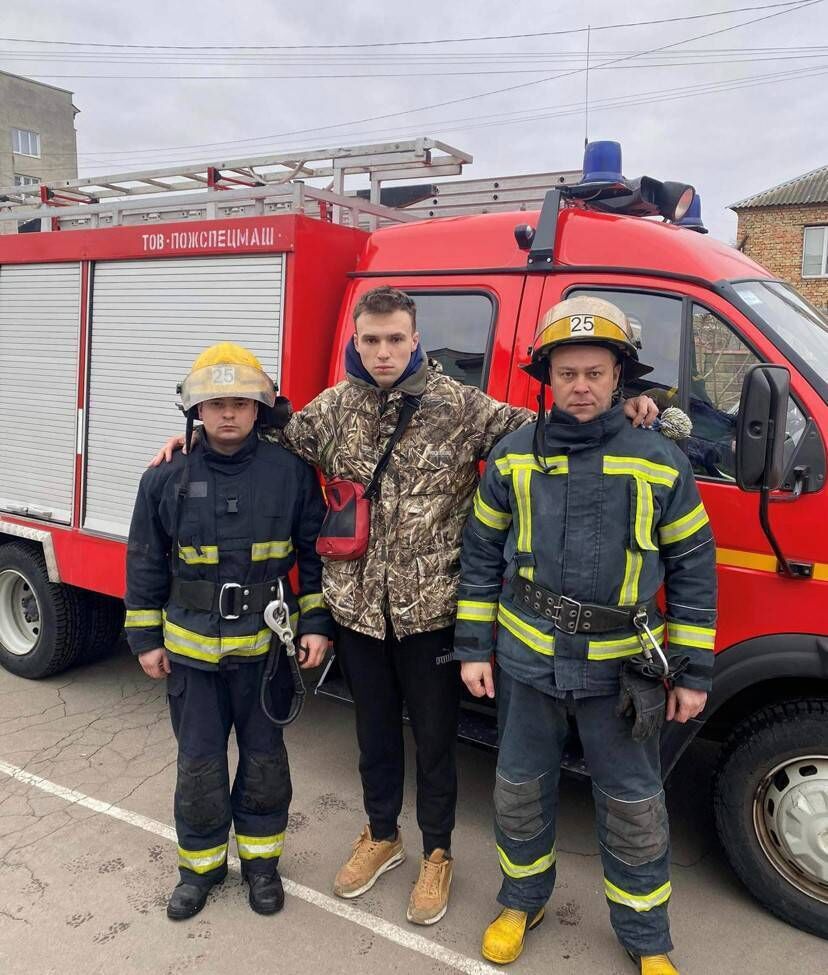
“After raising money at home, fire-fighter Trevor Kelliher has now booked a ferry to send a fire engine over. The Lutsk fire-fighters are going to travel to Poland to get it,” Pavlo said.
“People in Ireland have been really generous towards Ukrainians, and I’ve been able to get important supplies to our soldiers, thanks to their support,” he added.
The 23-year-old also helped nine people from other cities reach Lutsk to take refuge in two apartments owned by his grandparents, who live on a farm in a village outside the city.
Though helping refugees from other cities has kept Pavlo busy and the west of Ukraine has not seen the level of devastation Russian forces are causing in the east and the south, living under the constant threat of danger has taken a toll on the Serdiuk family.
“My sister hasn’t gone back to school since the beginning of the pandemic. She is only nine, so she doesn’t really understand the war. She doesn’t get why we have to go down to the basement every time there is a loud alarm, it’s not easy to explain what is going on to a kid,” Pavlo said.
On March 11, Pavlo watched on from his window as Russian missiles hit a military airfield not far from his house in one of the most significant attacks on a city in the west to date. Four people were killed in the explosion.
“The alert system didn’t warn us about the attack because the missiles were flying so close to the ground that they weren’t detected by our radars,” Pavlo said.
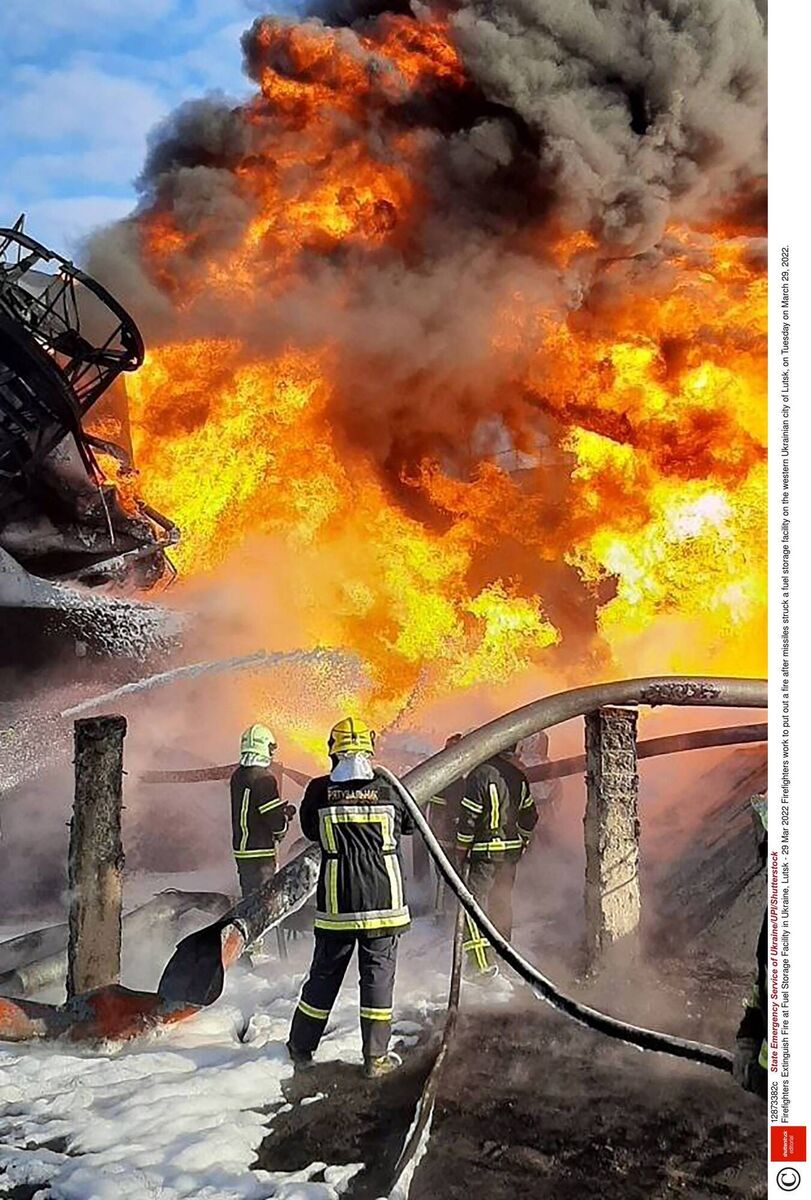
The 23-year-old said that the mood in Lutsk darkened after the attack, many people gathered together to mourn the victims at their funerals.
“You get used to the alarms and the terrible news coming from other parts of the country, and in many ways, life has returned to some version of normal in Lutsk as the economy has reopened, but when you see an attack happen yourself it scares you,” Pavlo said.
It has been 110 days since Russia invaded Ukraine. The UN estimates that over 4,000 Ukrainian civilians have been killed in the conflict, but the government has said that, in reality, thousands more have died.
Russian forces are bombarding the country in the east, invading troops continue to attack locations north of Kharkiv, and in the south Mariupol is facing a potential Cholera outbreak.
It is against this backdrop of devastation that Pavlo has had to make the difficult decision to return to Cork to finish his studies while his mother and his sister remain in Lutsk.
“After two months I ran out of money, and as things continued, it became clear that we were not under an immediate threat of danger in the west. I realised that the best thing I could do for my family is finish my studies and then go back to Ukraine. It is difficult to be away from them, but I have bills to pay and there is no alternative,” Pavlo said.
His mother, like many other Ukrainians, does not want to leave her life behind in her home country.
“My mum loves Ukraine, her job and her friends are there. We have got two dogs and a cat, and my sister has a hamster, when a missile alert goes off telling us that we have 10 minutes to get to the basement, they bring the animals down there with them.
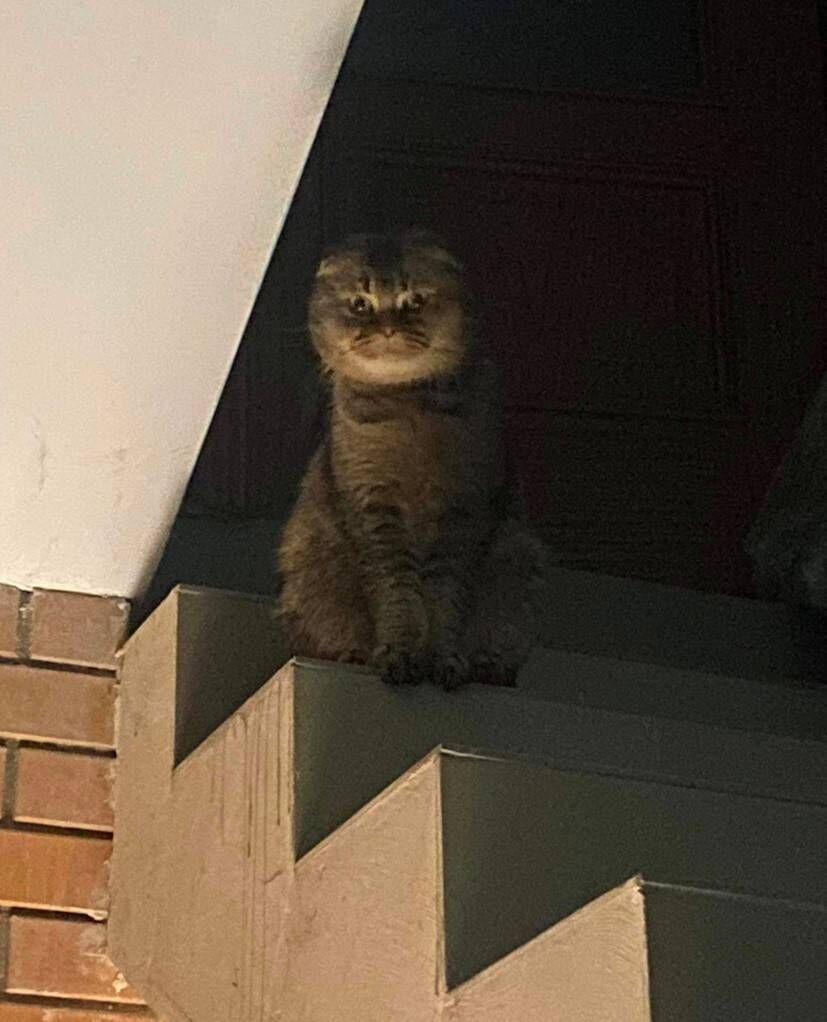
“They have got used to living with the threat of war hanging over them,” Pavlo said.
He says that as the Russian invasion drags on, it is increasingly hard to be optimistic about the long-term outcome of the war, but that he doesn’t believe that Russia will ever be able to “control” Ukraine.
“I went to Kyiv to see Maksym when I thought that I could join the army, and he told me that the biggest problem that our forces are facing is trying to combat Russian artillery, so the government is asking for extra supplies from the European Union.
“Maksym is going to fight in this war until the very end. The people of Ukraine are never going to give in to Russia,” Pavlo said. Now, after almost three months of living under the threat of war, he has been welcomed back to Cork by friends and has already gone back to work.
Pavlo plans to go back to Ukraine eventually, but he said doesn’t know when that will be, or "what Ukraine will have become by the time I do".


CONNECT WITH US TODAY



Be the first to know the latest news and updates