Ballycotton sewage scheme gets go-ahead despite pollution fears for harbour
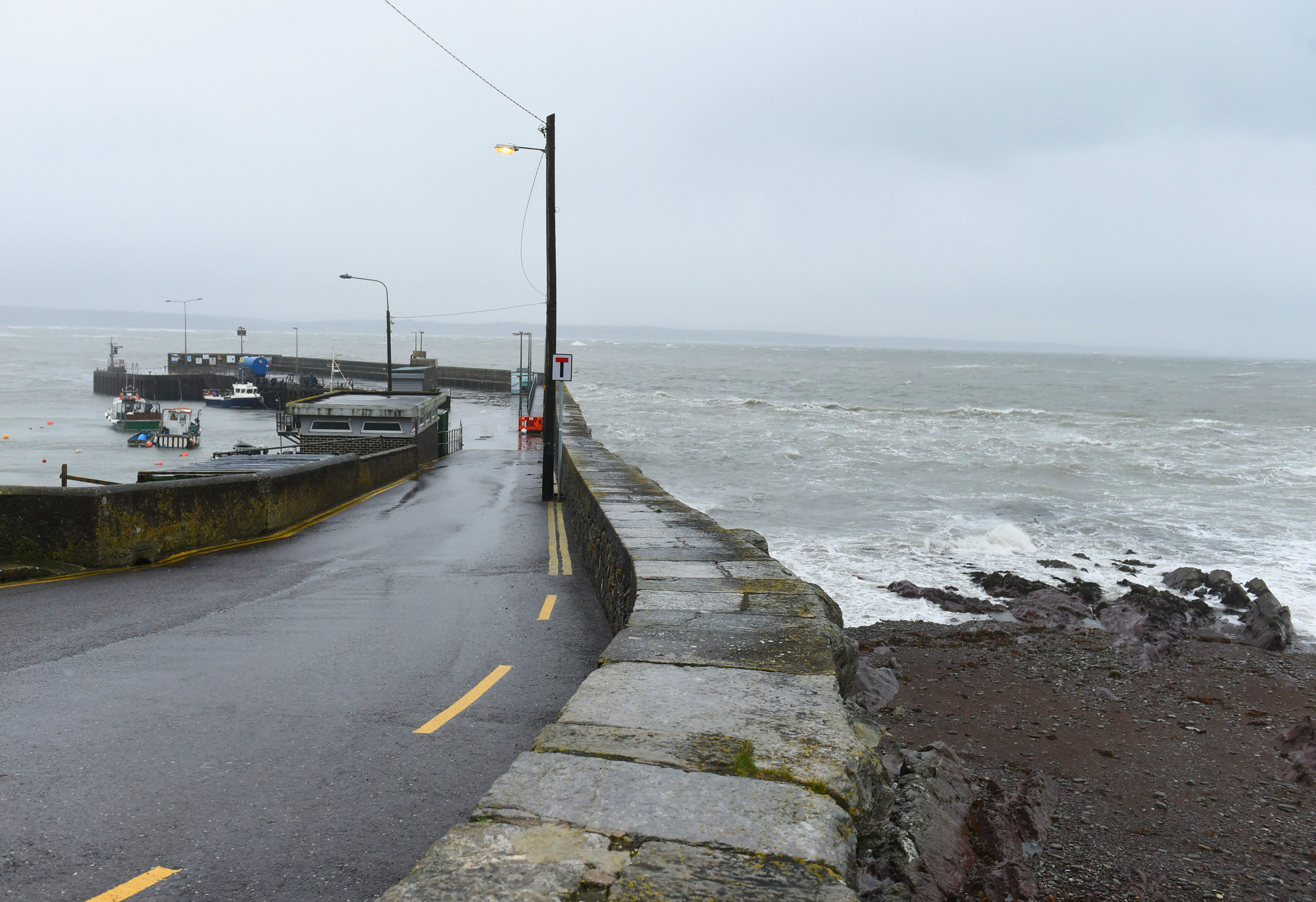
The proposed new wastewater treatment plant include the provision of a new pumping station on the site of existing toilets on the pier at Ballycotton. Picture: Larry Cummins.
Irish Water has secured planning permission for a controversial new sewage scheme for the east Cork village of Ballycotton, despite opposition from local fishermen who fear it could cause pollution in the harbour.
An Bord Pleanála has upheld the decision of Cork County Council to approve the plans for the proposed new wastewater treatment plant which include the provision of a new pumping station on the site of existing toilets on the pier at Ballycotton.
It dismissed the appeal by the Ballycotton Fisherman’s Association (BFA) which claimed the pumping station and a holding tank should be located on the other side of the pier in order to reduce the risk of pollution.
However, the board said it considered that the new plant, pumping stations, and associated infrastructure would not seriously injure the amenity of the area or property in the vicinity.
Subject to compliance with a number of planning conditions, it also ruled that the project would not be prejudicial to public health or adversely affect the residential amenities of the area through excessive odour and noise levels.
The board said the scheme would result “in a higher quality of effluent being discharged into Ballycotton Bay which would be beneficial to the receiving environment”.
It also concluded that the project would not adversely affect the Ballycotton Bay Special Protection Area.
While the BFA acknowledged the need for a new wastewater treatment plant for Ballycotton and supported its development, local fishermen said they were opposed to locating the pumping station and holding tank on the site of the existing public toilet on the pier as it posed a huge risk of pollution in the inner harbour where live lobster and crab are held in cages prior to being delivered to the point of sale.
“Any one malfunction or even the construction work has the obvious potential to wipe out this type of fishing at Ballycotton,” said BFA chairman John Tattan.
The association had proposed that the new pumping station and holding tank should be located on the southern side of the existing pier together with much-needed additional car park spaces by reclaiming land from the foreshore.
It said such a measure would also greatly ease traffic congestion around the pier area, which was a particular problem during the summer months.
The fishermen said their alternative location would allow the pier to remain open at all times during any construction phase, unlike the current proposal.
Irish Water claims the project is needed as the practice of discharging untreated wastewater into Ballycotton Bay was “no longer acceptable”.
It claims the new facility will stop the discharge of the equivalent of 860 wheelie bins of raw sewage being discharged into Ballycotton Bay every day.
The project involves the construction of a new pumping station on the pier at Ballycotton which will transfer sewage to a second new pumping station on Cow Lane and onward to a new treatment plant on a site to the south-west of Main Street in Ballycotton which will cater for a population of almost 1,100.
According to Irish Water, a 450-metre-long outfall pipeline will safely discharge treated wastewater from the plant into the sea.
Among a total of 12 conditions imposed by An Bord Pleanála is a requirement for odours to be kept below a certain level and for any chemicals used in the operation of the plant to be stored in bunded areas.
The board also stipulated that continuous access to the pier and Cow Lane should be ensured during the construction phase of the project.