'Foul odours will increase' if Clonakility plant allowed to import liquid sludge
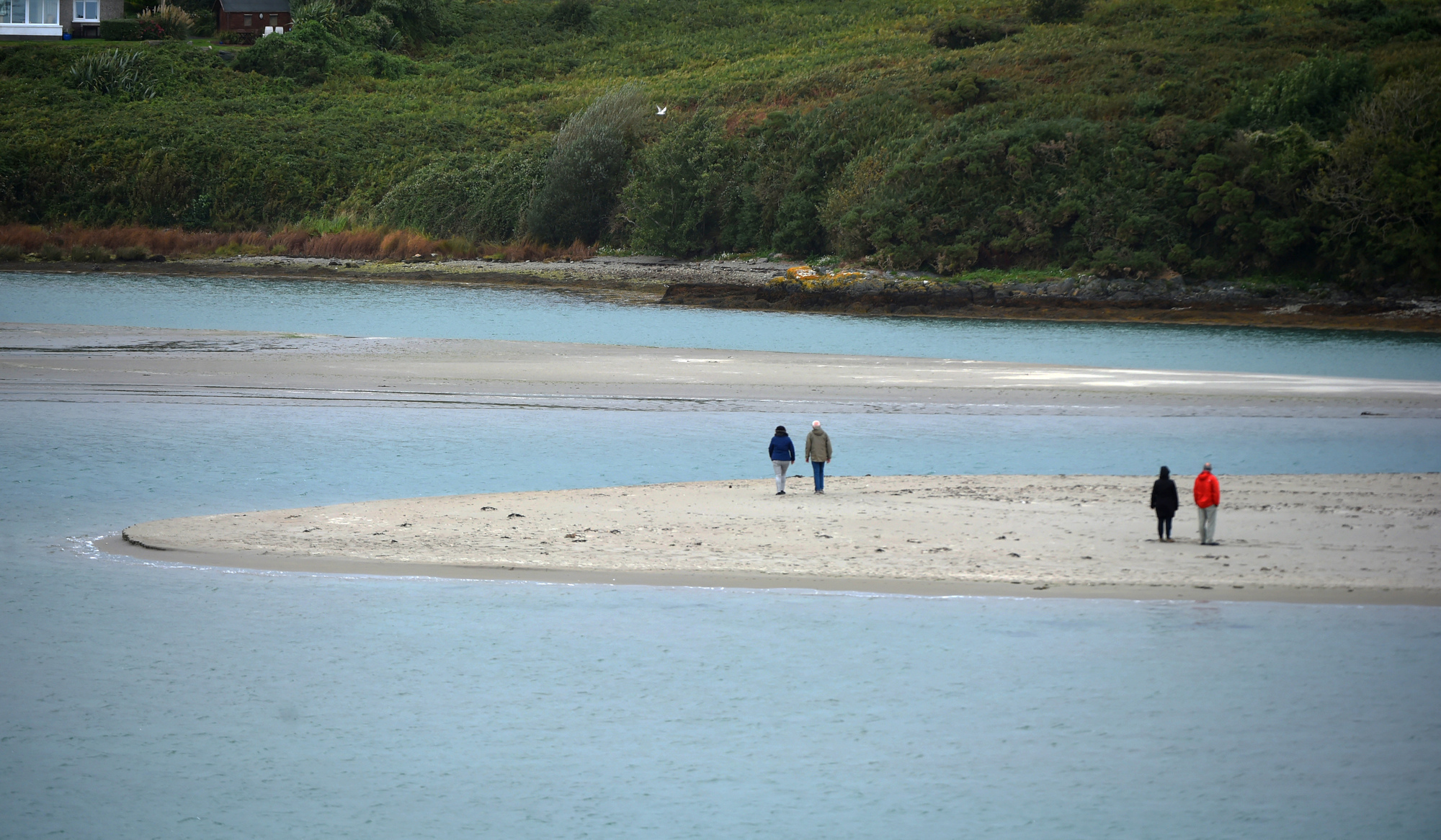
Irish Water has sought approval to operate the plant located on the Inchydoney Road in Clonakilty, which would involve the importation of liquid sludge from around 30 other wastewater treatment facilities in west Cork.
Irish Water is seeking to press ahead with its plans for a major upgrade of the wastewater treatment plant in Clonakilty, despite Cork County Council claiming the proposed works are likely to result in environmental pollution through an increase in foul odours.
The company has appealed the council’s recent decision to refuse planning permission for the project to An Bord Pleanála.
Irish Water has sought approval to operate the plant located on the Inchydoney Road in Clonakilty as a “satellite dewatering centre” which would involve the importation of liquid sludge from around 30 other wastewater treatment facilities in west Cork.
Other additional elements of the proposed development include several storage tanks for sludge, a noise protection barrier and an odour control unit.
It is estimated the dewatering centre would result in the importation of 43,500m³ of liquid sludge annually by 2030.
The utility’s application for planning permission for the project was refused on a number of grounds by Cork County Council including that the plans would be prejudicial to public health due to the odours likely to be generated from the treatment and storage of additional sludge.
It noted Clonakilty had “an extensive history” of complaints from the public and businesses about foul odours from the existing wastewater treatment plant.
Council planners said the proposed development would also directly result in increased traffic levels, particularly the movement of heavy goods vehicles, which would create a traffic hazard for road users in the area.
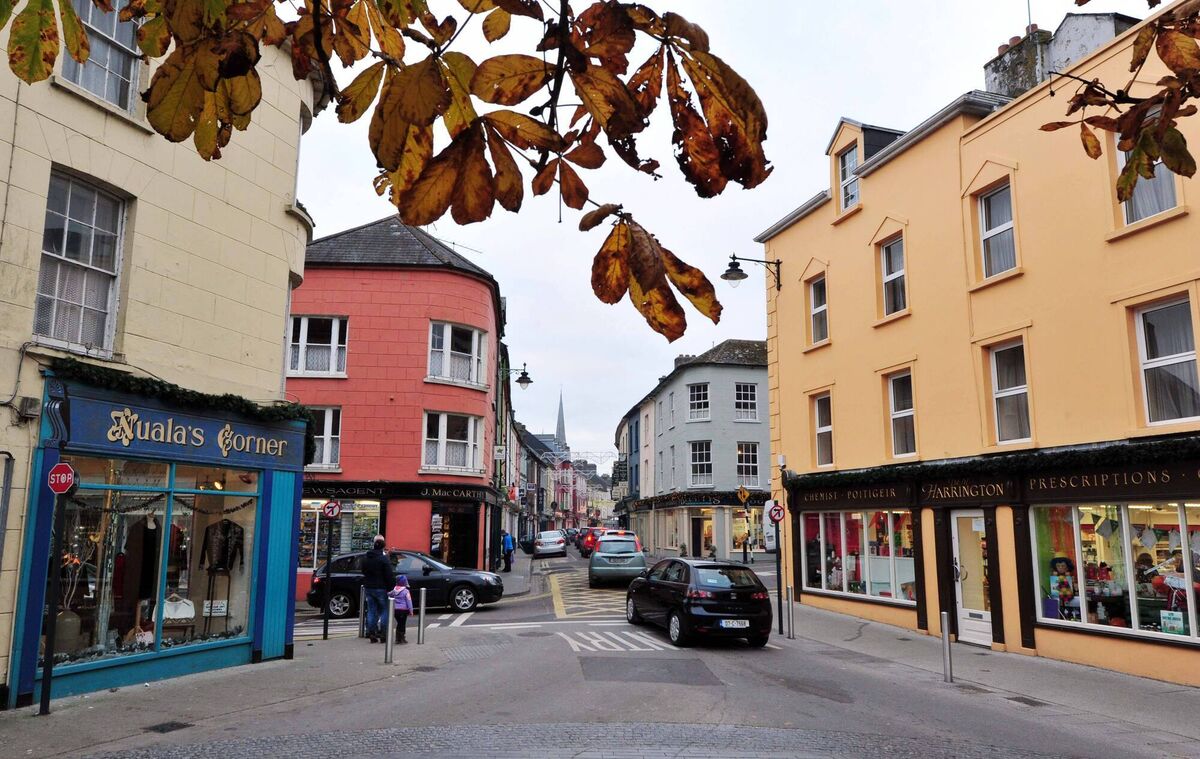
They also ruled that the importation of sludge to a plant in a sensitive location because of its proximity to Clonakilty’s town centre and residential housing represented an inappropriate form of development.
The council said it would also impact on the capacity of the existing wastewater treatment plant “which would place an unnecessary constraint on the ability of Clonakilty to achieve both its longer term population and economic growth targets.” In addition, council planners noted that it was a policy of the Cork County Development Plan to prioritise the supply of adequate drinking water for residents and to expand the supply where possible in line with future population targets.
They said the absence of details about the amount of water needed by Irish Water for the proposed facility meant the council could not be satisfied that the application was not premature given the existing deficiencies in water supplies in Clonakilty.
Council planners said they believed the zoning of the site for utilities and associated infrastructure was designed to cater for Clonakilty and its expansion but it was not envisaged the entire west Cork area would be serviced by the location.
A council report also observed that the plant’s location on the Wild Atlantic Way and close to the West Cork Model Railway Village and Clonakilty Distillery tourist attractions as well as shops and homes could impact on Clonakilty’s viability as a tourist destination “as a result of increased odour and traffic.” Council officials said they believed actual traffic levels generated by the dewatering centre would be double Irish Water’s estimate of 15 vehicles per day.
The plant, which was built in 1987 on a former dump, was last upgraded in 2015 and is designed to cater for a population of 20,500.
Irish Water claims the proposed dewatering centre at the Clonakilty plant constitutes essential infrastructure that cannot be located elsewhere.
The company said there was a lack of suitable sites within the west Cork area to accommodate the dewatering of sludge imports and there was “an overriding need” to deliver the proposed development.
It said it would not be sustainable to transport sludge further east in Cork when there was a plant with available capacity in Clonakilty which was currently underutilised.
Addressing concerns raised by the council, it claimed odour would not be a problem as the proposed connection points would be “entirely sealed”, while it also claimed associated traffic would “not be significant”.
A ruling on the appeal is due by early March 2022.
CONNECT WITH US TODAY



Be the first to know the latest news and updates