Beachgoers warned Portuguese man o' war spotted on Waterford strand
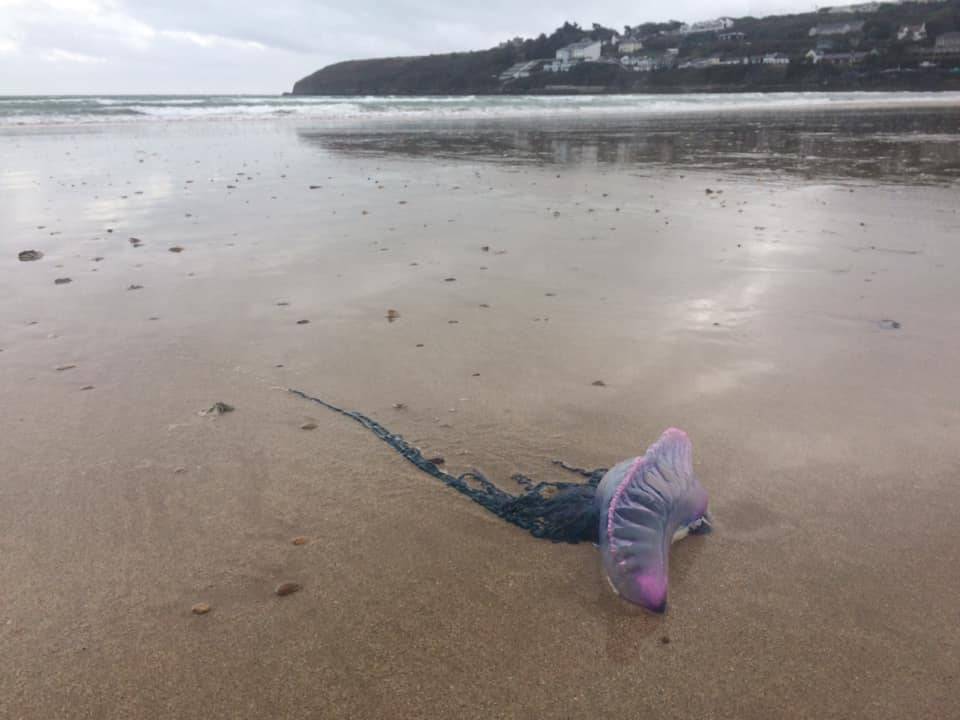
The Ardmore Coast Guard Unit has received reports of a Portuguese man o' war, the stings of which can be fatal, being washed up on the beach over the weekend. Picture: Sarah Slater
Beachgoers and swimmers are being warned to be aware of the highly dangerous Portuguese man o' war marine organism which has washed up on a Co Waterford strand.
The Ardmore Coast Guard Unit has received reports of a Portuguese man o' war, the stings of which can be fatal, being washed up on the beach over the weekend.
Siphonophores can grow to lengths of 130 feet or 40 metres, longer than the blue whale, which is usually considered Earth's largest animal. Although a siphonophore may appear to be an individual marine organism, each specimen is a colonial organism.
In a statement, the Search Unit said: “(It) may still be able to inflict a serious sting to any person, child or even a dog that comes into contact with it.
“Please give it a wide berth and keep children and your dogs well away from it.” Last week Fountainstown Beach became the third Cork beach to be red-flagged due to the arrival of multiple siphonophores.
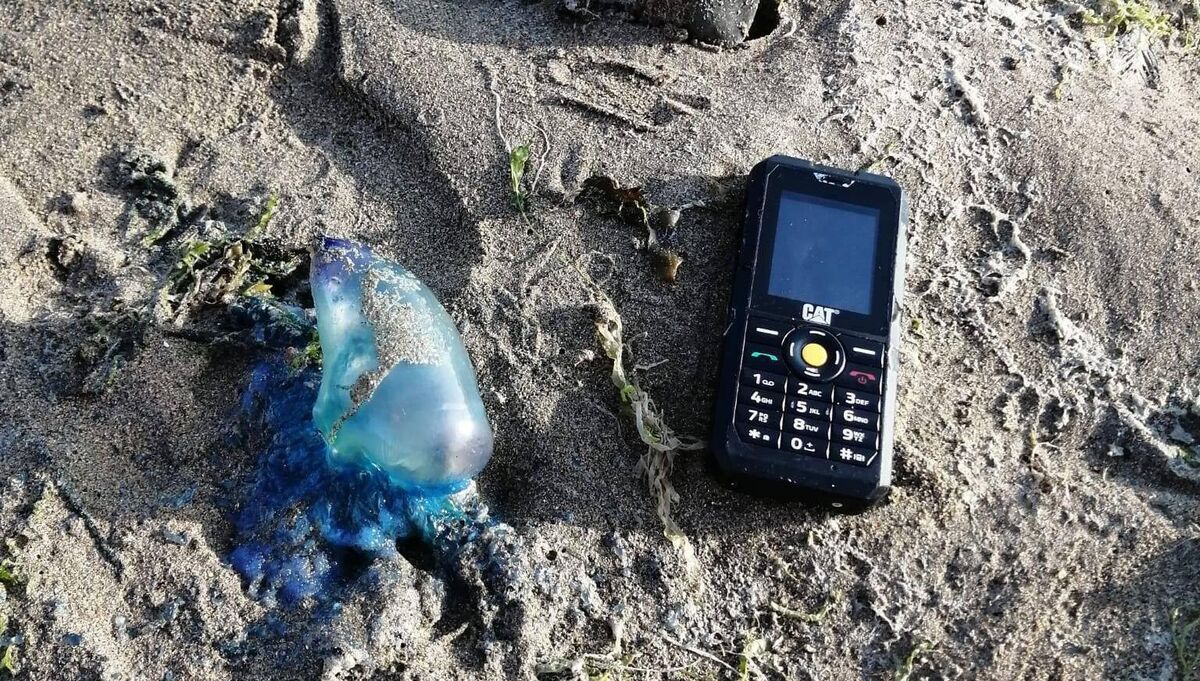
Siphonophores can be painful to humans and, on rare occasions, can even be fatal.
Red flags were also raised at Garrylucas and Owenahincha beaches while one was also found at Garretstown.
Cork County Council has advised the public to be aware of siphonophores both the sea and on shores.
The public are advised to not get stung when aiding others, remove any attached tentacles with a gloved hand, stick, or towel (none of these available use your fingertips).
Do not rub the affected area as this may result in further venom release, rinse the affected area copiously with seawater but do not use freshwater, vinegar, alcohol or urine.
Apply a ‘dry cold pack’ to the area such as placing a cold pack or ice inside a plastic bag and then wrap this package in a t-shirt or other piece of cloth.
Hot water can be used for such stings at approximately 45C for 20 minutes, but if a person is suffering from swelling, breathing difficulties, palpitation or chest tightness then transfer to the nearest emergency department urgently.

CONNECT WITH US TODAY



Be the first to know the latest news and updates