HSE warns of a 'reservoir' of undiagnosed syphilis cases in Cork and Kerry
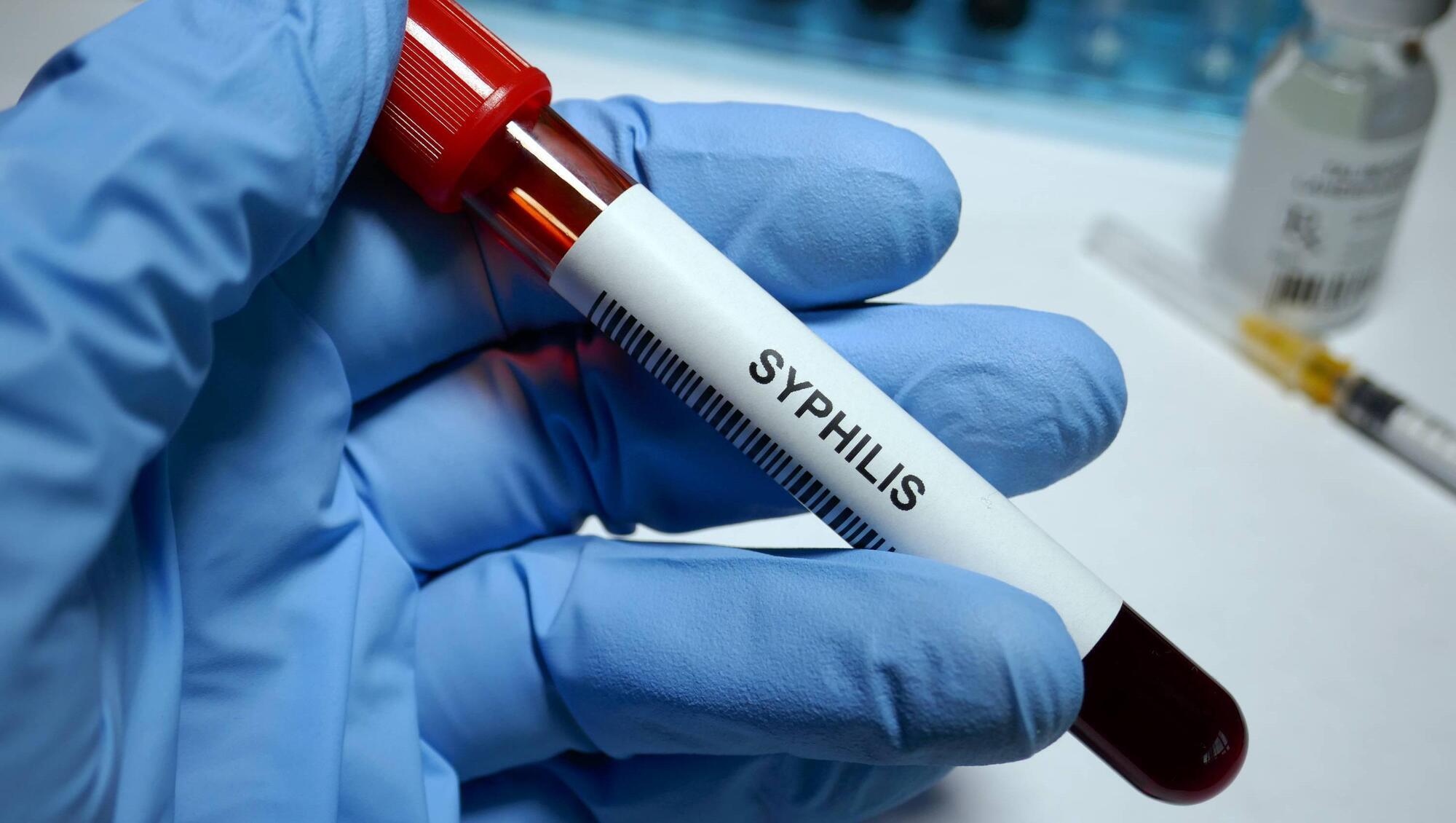
Almost one in 10 of the cases diagnosed this year up to April were in the Cork/Kerry region, followed by the Mid-West region of Limerick, Clare and Tipperary North, with 4% of all cases. Pic: iStock
There is a probable “reservoir” of undiagnosed syphilis cases in the Cork and Kerry region, according to a HSE public health doctor.
This comes as the latest national figures to July show 413 cases compared with 484 during all of 2018.
The HSE has launched a national outbreak control team which Dr Peter Barrett, a public health specialist with HSE South, sits on. He said they are unsure why cases are rising so steadily.
However, he said: “There was reduced testing going on, reduced access to testing for a long period in 2020 as a result of lockdown, as a result of the pandemic.
“So we reckon there is likely to be a reservoir of undiagnosed cases out there.”
The early stages of syphilis can be asymptomatic and people can unknowingly infect their partners.
People may think of this as a disease from the past, but that is not accurate, Dr Barrett said.
“It is common, there are hundreds of cases diagnosed every year in Ireland,” he said.
“Unfortunately we are seeing increases in the number being diagnosed both in our region of Cork and Kerry, and also nationally.”
Almost one in 10 of the cases diagnosed this year up to April were in the Cork/Kerry region, followed by the Mid-West region of Limerick, Clare and Tipperary North, with 4% of all cases. The remainder are in the Dublin, Kildare and Wicklow region.
Figures from the Health Protection Surveillance Centre (HPSC) for 2019 show 745 cases, already an increase from 2018.
Last year, despite testing clinics being closed for months in some areas, 600 cases were identified.
Dr Barrett stressed that syphilis is “a preventable disease” and urged people, particularly those with multiple partners, to get tested. Treatment is with antibiotics.
He said the teams are seeing mainly people aged 25 to 34, but said they see “quite a number of cases” among people in their 40s.
“We are seeing cases in Cork and Kerry predominantly among men, and particularly men who have sex with men would be one of the risk groups we would be hoping present for testing,” he said.
“At the same time, we are seeing increasing numbers among women.”
Anyone found to be positive can ask the clinic to do contact tracing on previous partners, Dr Barrett said. This is done confidentially.
The HSE is launching a national communications campaign, he said, with alerts already gone to GPs and hospitals.
A HSE spokeswoman said three pop-up syphilis testing clinics were held in Dublin in July, and 212 people attended. STI clinics and NGOs including HIV Ireland are working with the HSE on this.
Results have not yet been fully assessed, she said.
“Planning of further pop-up syphilis testing will be discussed within the Public Health convened early infectious syphilis outbreak control team,” she said.
Ann Piercy, community worker with the GOSHH (Gender, Orientation, Sexual Health, HIV) centre in Limerick previously told the they had “ a flood” of testing requests when they re-opened.
Free testing can be booked through the GUM/STI Clinic at the South Infirmary Victoria University Hospital for Cork or Kerry. Further information including on free home testing kits is at www.sexualwellbeing.ie.


CONNECT WITH US TODAY



Be the first to know the latest news and updates