Headford ambush commemorated 100 years on

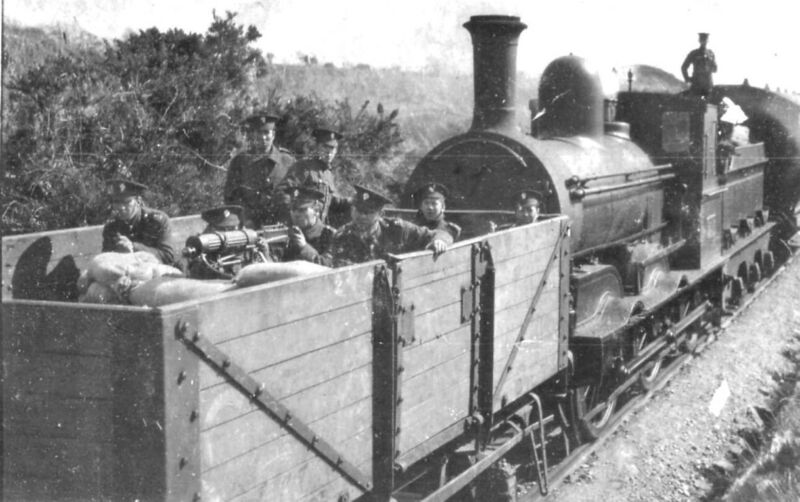
A bullet-ridden railway carriage ambushed near Killarney around the time of the Headford Ambush. PIcture supplied: macmonagle,killarney
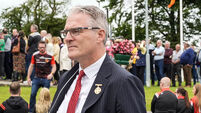
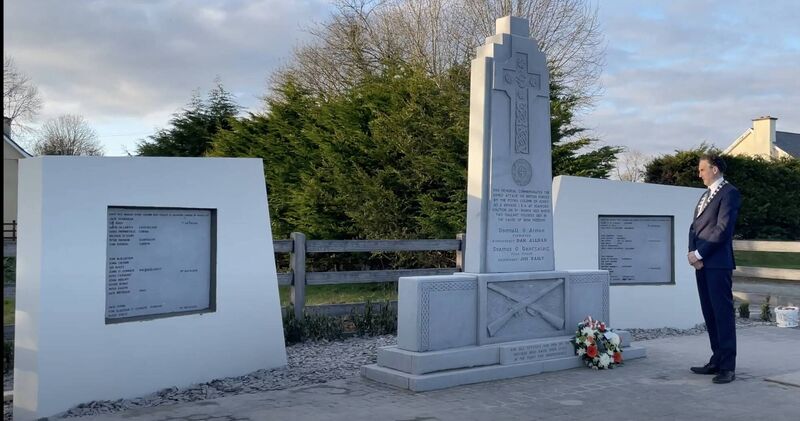
The centenary of the Headford Junction Ambush near Killarney was marked, with a single wreath in the national colours laid by the mayor of Kerry Patrick O'Connor-Scarteen, a grand nephew of one of the participants.
Cllr O'Connor-Scarteen, (FG) Cathaoirleach of Kerry County Council, brought along the rifle used by his grand-uncle 19-year-old Tom O’Connor-Scarteen of Kenmare.
Tom had no formal military training, but was a noted marksman, the mayor recalled.
Although there is still some dispute about numbers, upwards of 30 of the IRA’s Kerry No 2 Brigade and Flying Column took part in the ambush against 28 soliders of The 1st Battalion of the Royal Fusiliers, City of London regiment. It is considered one of the biggest and most successful engagements by the IRA against regular British forces.
The Fusiliers were on their way from Kenmare to Killarney, scheduled to change at Headford, on a packed train as it was a fair day in Kenmare.
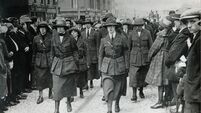
Word came through about the troop movement to the column from Cumann na mBan, a short time before the train, which arrived early, pulled in.
Two IRA men died, with another wounded, while nine of the Fusiliers lost their lives with a dozen wounded. Three cattle dealers on their way from Kenmare fair died, and a publican from Loo Bridge and his three-year-old daughter were wounded in the crossfire.
Headford, raised in the British parliament, raised the standing of the Kerry IRA nationally and set the scene for subsequent bloody engagements in Kerry.
The London Times report estimated the ambushers “at about one hundred”; with between 35 and 50 in the station alone: the IRA claimed a lot more than 12 coffins containing Fusiliers left Killarney; the British military claimed at least 14 rebels died and "hoped" more had.
A major ceremony to mark the centenary had been planned since 2019 with the monument at the disused railway junction substantially upgraded. However, the continued lockdown has seen those plans cancelled.
Derry Healy, chairman of the Headford commemorative committee said it was hoped that event could take place in 2022.
It was important to acknowledge the contribution of those who took part in the fight for Irish independence, Cllr O’Connor-Scarteen said on Sunday.
“The Headford Ambush near Killarney was one of the most significant events of the War of Independence in the Country. The ambush was not only a significant blow militarily to crown forces but also lifted the spirits of those involved in the fight for Irish freedom,” he said.
"It is thanks to the dedication and commitment of people such as the Kerry No. 2 Brigade Flying Column that took part in the events such as the Headford ambush that we have our freedom today,” Cllr O’Connor-Scarteen said.
"May those who lost their lives fighting for our freedom rest in peace," he added.
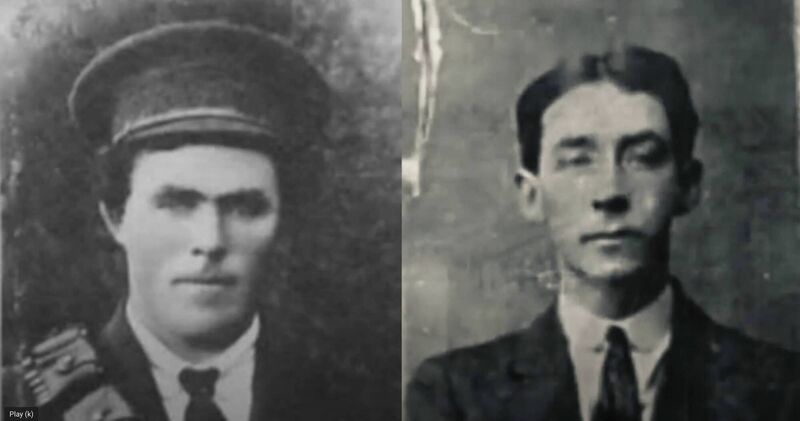
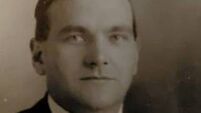
No 2 Kerry IRA brigade was comprised mainly of young men from east and south Kerry, from Ballymacelligott near Tralee and the wider Killarney and Kenmare areas. Led by Dan Allman (30) of Rockfield, and his deputy Tom McEllistrim of Ballymacelligott, the 50-minute shoot-out came to an end only when a second train of British forces arrived on the scene.
Dan Allman died at Headford, after firing the first shot; and command was taken over by McEllistrim. Jim Coffey who had trained the IRA in armaments for in March in a camp in the Gap of Dunloe was wounded.
Jimmy Baily from Ballymacelligott would also lose his life.
On the Fusiliers side, Lt Cecil Adams, a 30-year-old who had served with distinction in France and Belgium, lost his life.
Most of the British soldiers shot were in their late teens or early 20s.
Lance corporal E Chandler was not yet 17. One soldier, Private A George is buried in Killarney, at the New Cemetery. His funeral with military honours in Killarney took place the same day as that of Allman and Baily.
CONNECT WITH US TODAY



Be the first to know the latest news and updates