Rethink Ireland to build €100m social innovation fund, helped by philanthropists
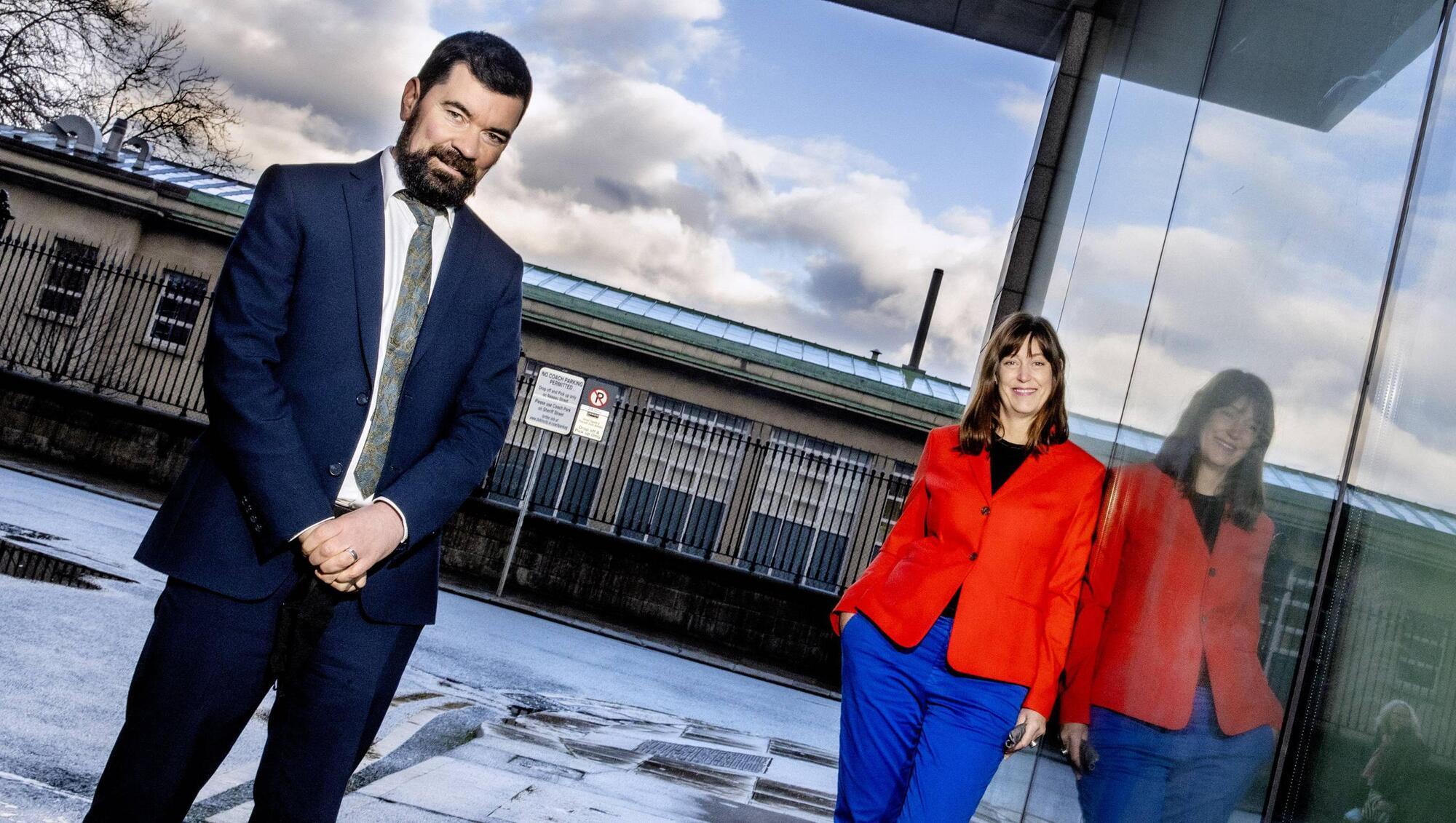
Minister of State for Community Development and Charities, Joe O’Brien, and Deirdre Mortell, CEO of Rethink Ireland, launch the new €650,000 Ignite Midwest Fund, which is open to projects that empower communities, tackle poverty, and promote social inclusion in counties Clare, Limerick and Tipperary. Picture: Marc O'Sullivan
Innovators whose ideas can help empower communities, tackle poverty, and promote social inclusion are being sought to propose projects for a new €650,000 Ignite Midwest Fund.
Rethink Ireland also has plans to build a €100m social innovation fund for Ireland over the next three years. Its goal is to raise an annual income of at least €12m every year until 2023, boosting the Social Innovation Fund to a cumulative €100m by 2023.
Rethink Ireland is a national organisation supporting Ireland’s most innovative charities and social enterprises through cash grants and business supports. Philanthropic donations will remain central to its ambitions to combat poverty and promote social inclusion.
Hosted by Rethink Ireland, the new Ignite Midwest Fund is open to projects based in Clare, Limerick or Tipperary, or national organisations with a Midwest branch or focus. It is the second Ignite fund hosted in the Midwest by Rethink Ireland (formerly Social Innovation Fund Ireland).
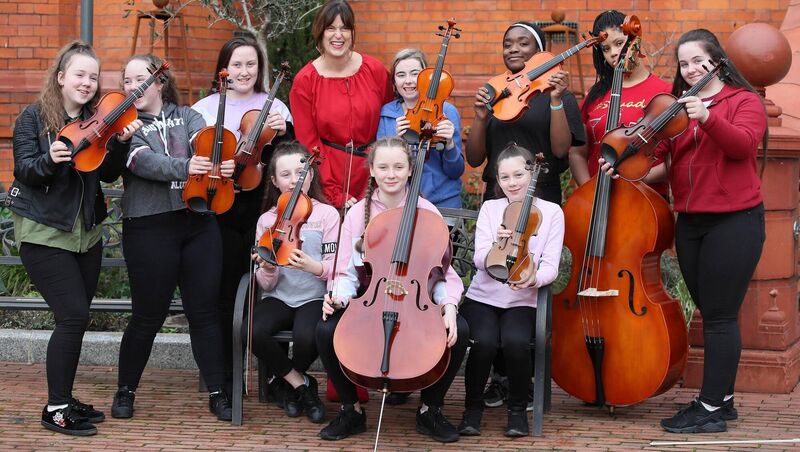
Projects must focus on tackling inequality, poverty and/or social exclusion, or on empowering their communities. There will be up to seven awards in total, two of which will be music projects.
Deirdre Mortell, CEO of Rethink Ireland, said: “In 2019, we ran a nationwide €550,000 Ignite Fund which awarded six innovative projects spread all over the country.
“This year, with the support of our donors, we are able to focus our efforts with a fund of €650,000 specifically in counties Clare, Limerick and Tipperary — counties that are feeling the challenge of the rural-urban divide and where inequalities have only been exacerbated by the Covid-19 pandemic. Social innovation is vital to change this and to create a more inclusive society.”
This second Ignite Midwest Fund has been created by Rethink Ireland in partnership with several private donors from the region including the Parkes Family Limerick, the Community Foundation for Ireland, and is matched by the Department of Rural and Community Development via the Dormant Accounts Fund. The funding model is 50:50, with the State matching donations from philanthropists.
Deirdre Mortell said: “Philanthropy is alive and kicking all over Ireland. Ignite has raised €325,000 in Munster. This philanthropic support is used to fund projects that enhance communities and help address poverty.
“We have launched over 30 funds in the past five years totalling over €65 million. We aim to bring that total to over €100m by the end of 2023. Of course, money is just a metric. This work is all about changing people's lives.
“We have really scaled up our work in the past year in direct response to Covid. We funded over 200 social innovation projects in our first five years, and 111 in 2020, of which 71 were directly Covid-related projects.
“For instance, Safetynet evolved from being a mobile health clinic for homeless people and adapted its service to delivering rapid Covid testing, notably in direct provision centres. That testing meant people who tested positive could be moved to help control the spread of Covid.
“That service then also served people in shared housing, older people and people in religious communities.”
Ignite funding also helped the nationwide groups within the Rape Crisis Network to develop a shared best practice model for online counselling.
One positive to come from Covid has been the greater awareness it has raised of domestic violence. That spotlight has seen a greater number of people accessing online counselling.
Previously all counselling was face-to-face. People who were previously too shy, too embarrassed or simply living too remotely are now contacting the Rape Crisis Network, reporting domesic violence and accessing online counselling.
“Not everything about Covid has been negative. There are positives that should be kept forever,” said Deirdre Mortell.
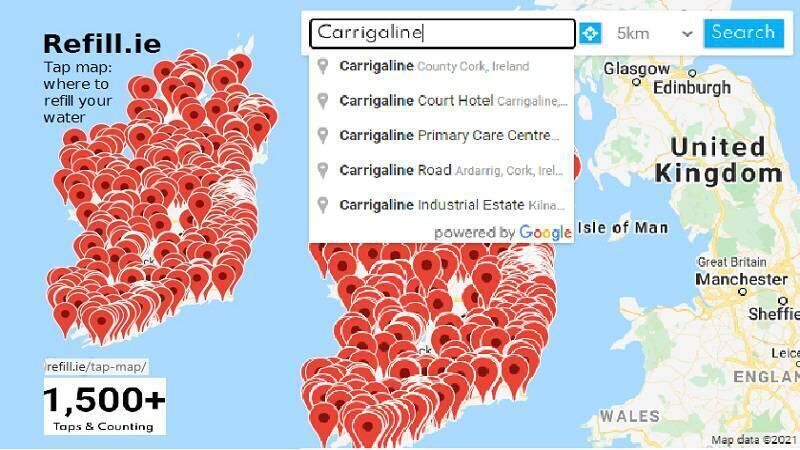
Ignite also funded Refill.ie, which encourages people to drink from reusable cups and minimise plastic waste. For instance, it engages with corporate events and festivals. An event like Cork City Marathon could generate over 10,000 single-use plastic water bottles. Refill.ie gives the runners reusable cups.
It also hosts Refill.ie/tap-map, a nationwide map of venues and businesses which agree to refill people's cups with water upon request.
These are just a few examples of what Rethink Ireland has achieved in the past five years — €65m of funds created, delivery of 30 funds, supporting 864 jobs people into employment etc.
Its plans for the next three years include:
- The advancement of the learning of 70,000 people over the course of three years;
- Involvement of at least 35,000 people in evidence-based mental health programmes over the course of two years, setting new targets in 2022;
- The creation of Ireland’s first dedicated climate justice fund.
“When we think about climate change, most of us think about weather, science and the environment, but climate change is also having a huge impact on people, particularly upon the poorer members of society,” said Deirdre Mortell.
“The people who contribute the least to climate change are the one who end up paying the most. We want to evenly spread the cost across the population, and not just hit the most vulnerable.”
For instance, Rethink Ireland will fund the reskilling of people in the Midlands who have lost their jobs with Bord na Móna. As society moves away from turf and coal, Ignite funding will also support projects such as the retrofitting of houses and other innovations that will help people to reduce their heat and energy bills.
“We plan to have that climate justice fund up and running by the end of 2021, and we're sending a call out to philantropists to engage with us. So far, that is exactly what they have been doing,” she said.
“It has never been more important to fund social innovation. Whether it's Covid or climate change, the worst impacts of any social change are invariably suffered by the most vulnerable members of society. Our role is to support innovative projects that redress that imbalance.”
Read More


CONNECT WITH US TODAY



Be the first to know the latest news and updates