Spike Island exhibition to showcase lives of 1,200 IRA prisoners incarcerated by British
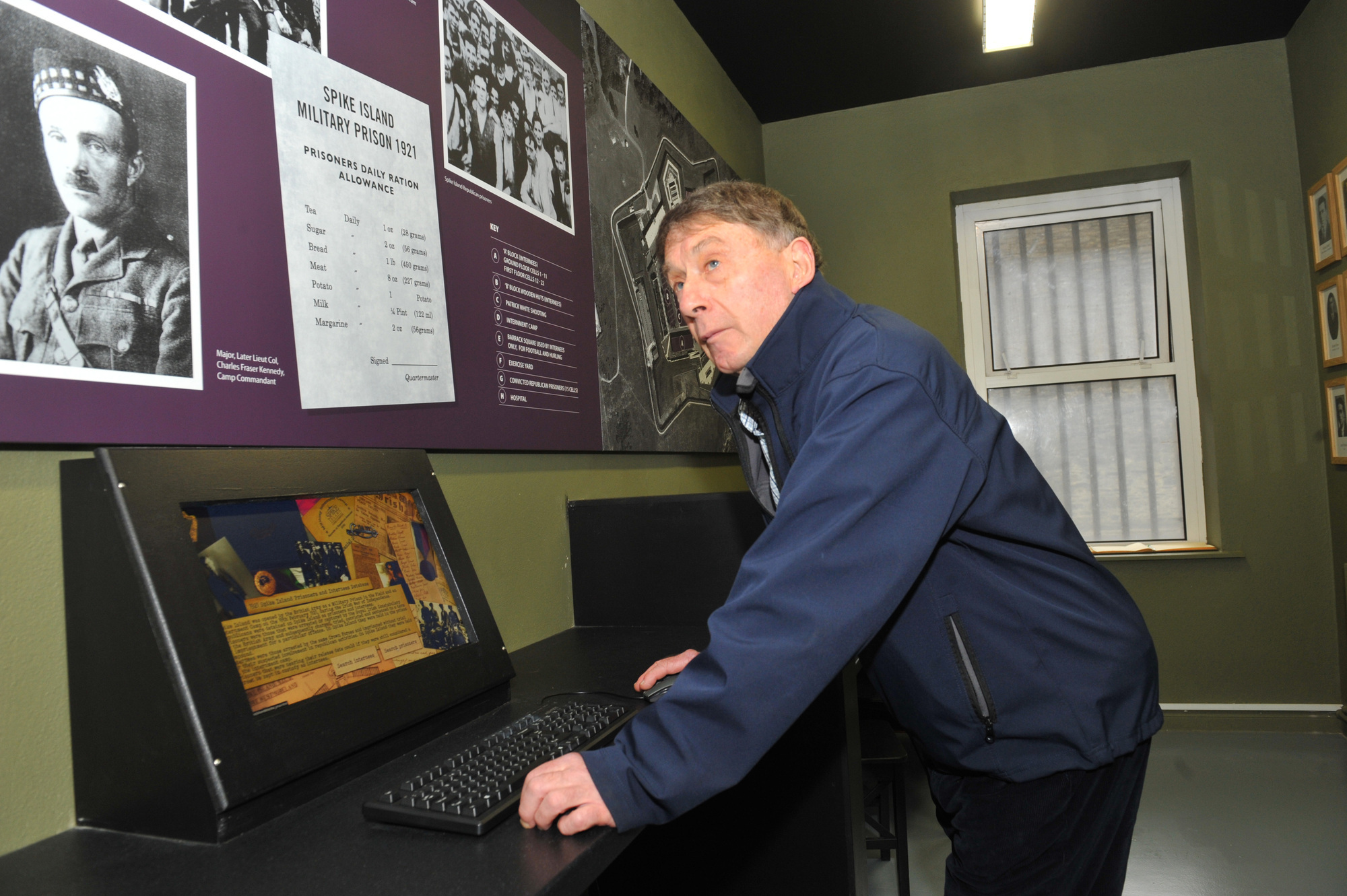
Tom O'Neill, historian, in the new genealogy room, part of the War of Independence exhibition at Spike Island Museum. Picture: Larry Cummins
Spike Island will open a major exhibition next April highlighting extensive details of the lives of 1,200 IRA prisoners incarcerated there by the British exactly 100 years ago during the War of Independence.
The has been given exclusive access to the exhibition and details of plans for year-round commemorations of the men who helped to win Ireland's freedom. These events are being funded by Cork County Council.
Many descendants of IRA men imprisoned there, including one large family group from Australia and others from America, plus more from Britain and Europe, are to visit the exhibition, which has been mounted after 10 years of painstaking research into the period by acclaimed historian and deputy manager of Spike Island, Tom O'Neill.
Most of his research came from extensive records held at the UK National Archives in Kew, London.
The exhibition will open to the public in April, if Covid-19 restrictions allow, and will be followed on July 11 — a date which coincides with the 1938 British handover of the Treaty Ports like Spike Island — when 1,200 fireworks will be fired into the night sky to commemorate all those incarcerated there from February 19 to November 19, 1921.
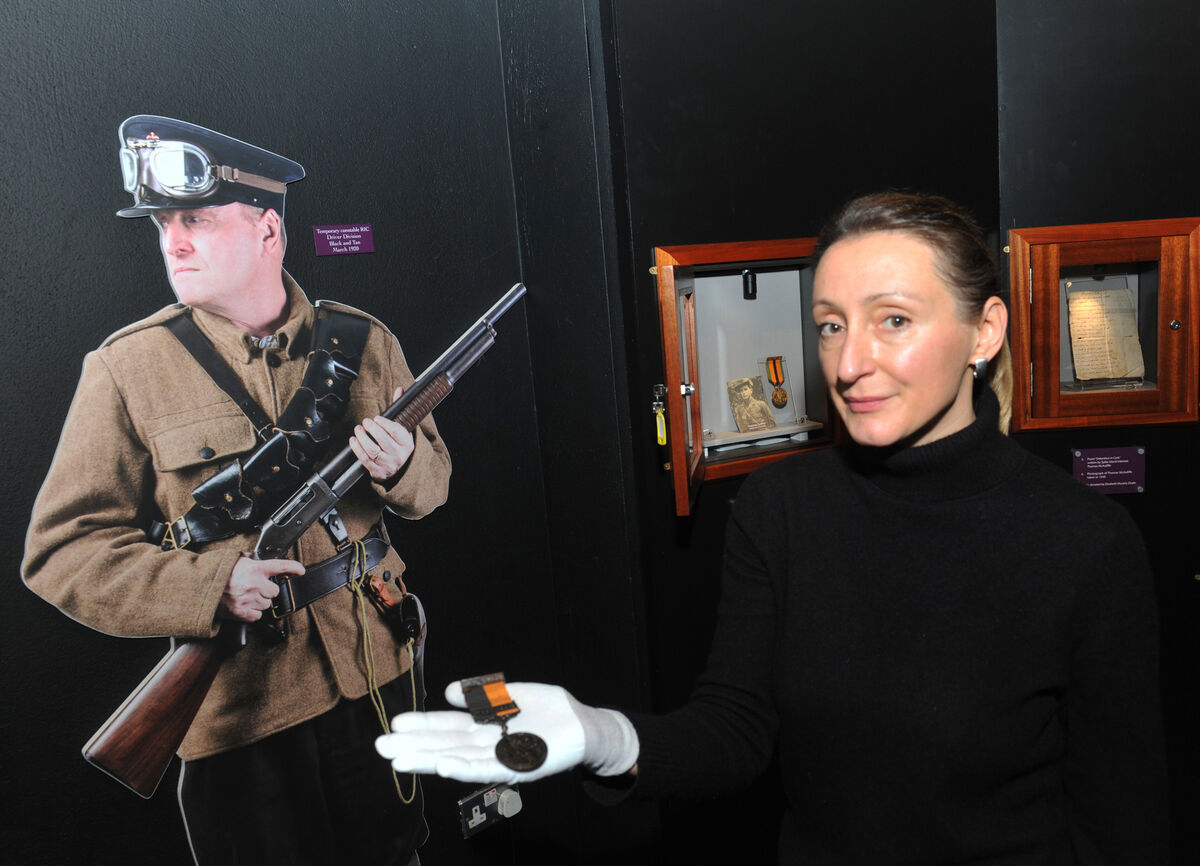
A number of themed days will also take place throughout the year to mark notable events there, and the tour guides will wear period military costumes.
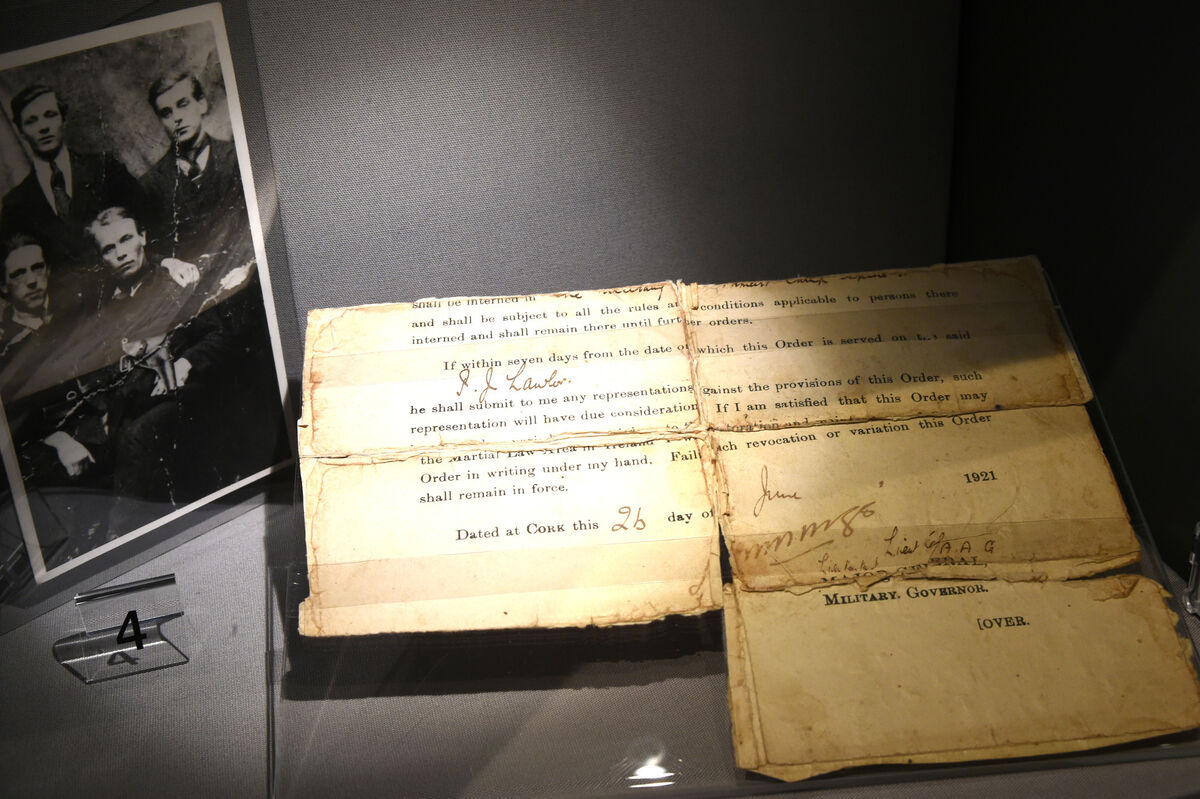
The youngest prisoner was just 16, and the museum has acquired a priceless audio recording of the prisoner who survived the longest: Dan O'Donovan from The Quays, Bantry, who died at the age of 104 in 2006. The fishmonger was 18 when he was jailed there.
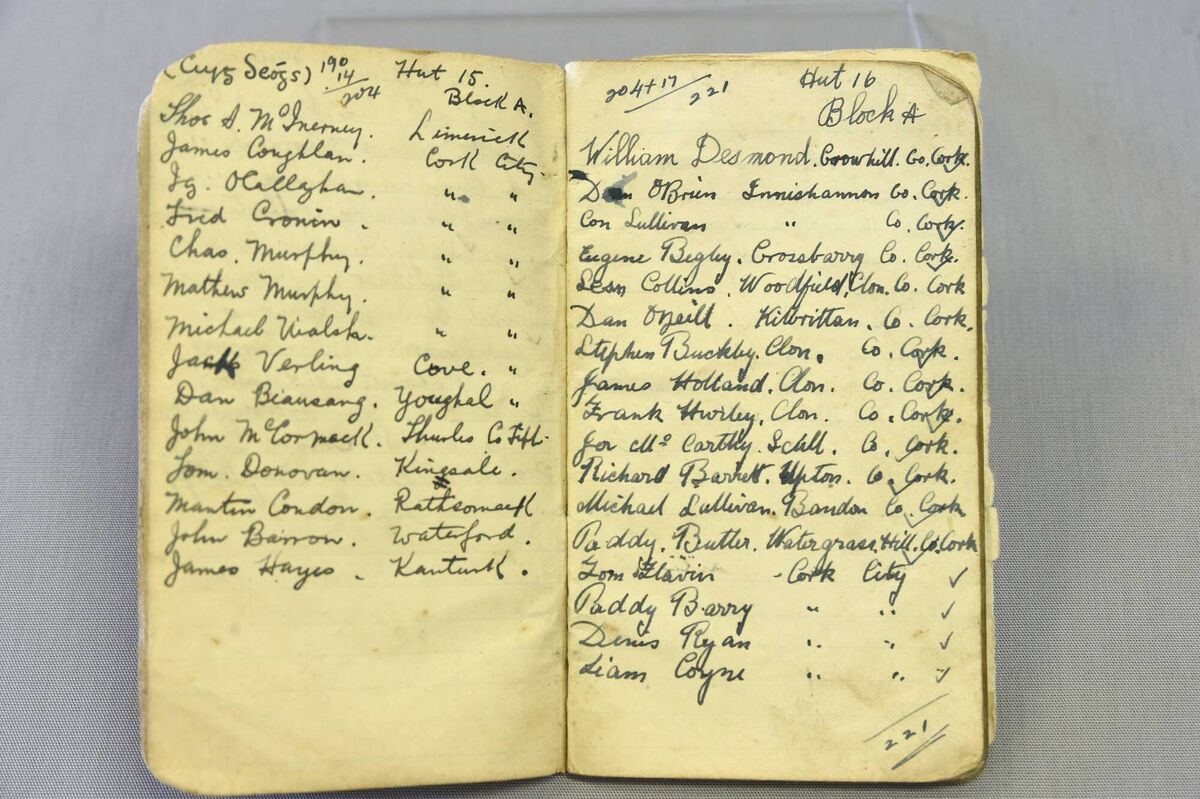
The extensive exhibition includes a touchscreen display which provides records of all the men and can be searched by name, town of origin, etc.
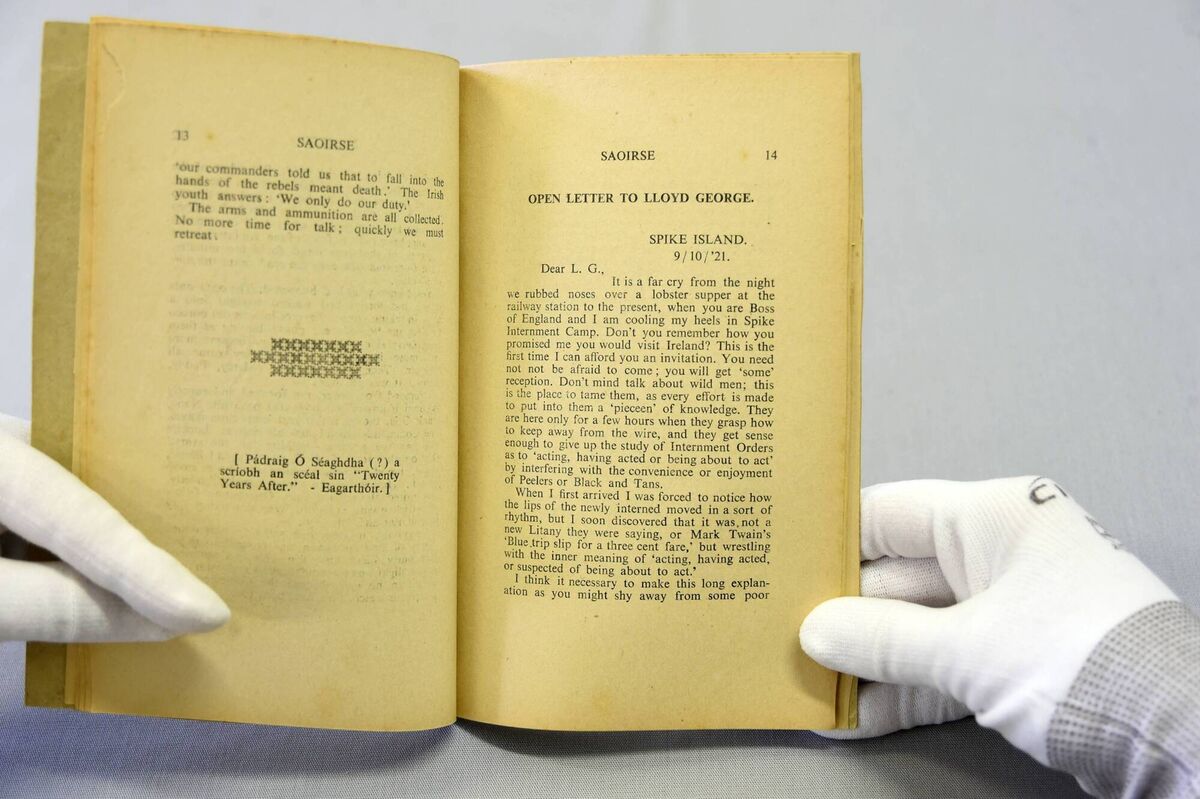
Some of their dairies have also been transcribed into A4-sized booklets.
Of those imprisoned there, 300 were tried by military courts as being active IRA members, while the other 900 were classified as internees and held merely on suspicion of being involved in anti-British activities.
Spike Island manager John Crotty said: "It's hoped, post-Covid-19, that tourism numbers will rise again.
"Due to virus restrictions this year, the number of visitors plummeted by 52% compared to 2019, falling from 81,000 to 39,000.
“We hope the exhibition will help increase the number of visitors in 2021 to the 90,000 mark, and we hit the magical 100,000 by 2022.”
From monastery to ‘Alcatraz’ tourist attraction
Spike Island has a long and varied history that it is both colourful and diverse.
The first recorded human occupation was more than 1,300 years ago, following the arrival in 635 of a group of monks led by St Mochuda, also known as St Cartage.
He established a monastery there and later spread his influence to the west Waterford town of Lismore, where the cathedral still bears his name.
After the monks left, the island was inhabited and farmed by the Pyke, or Pike, family, until purchased at the end of the 18th century by the British military to be developed into a coastal fortification for the defence of Cork harbour.
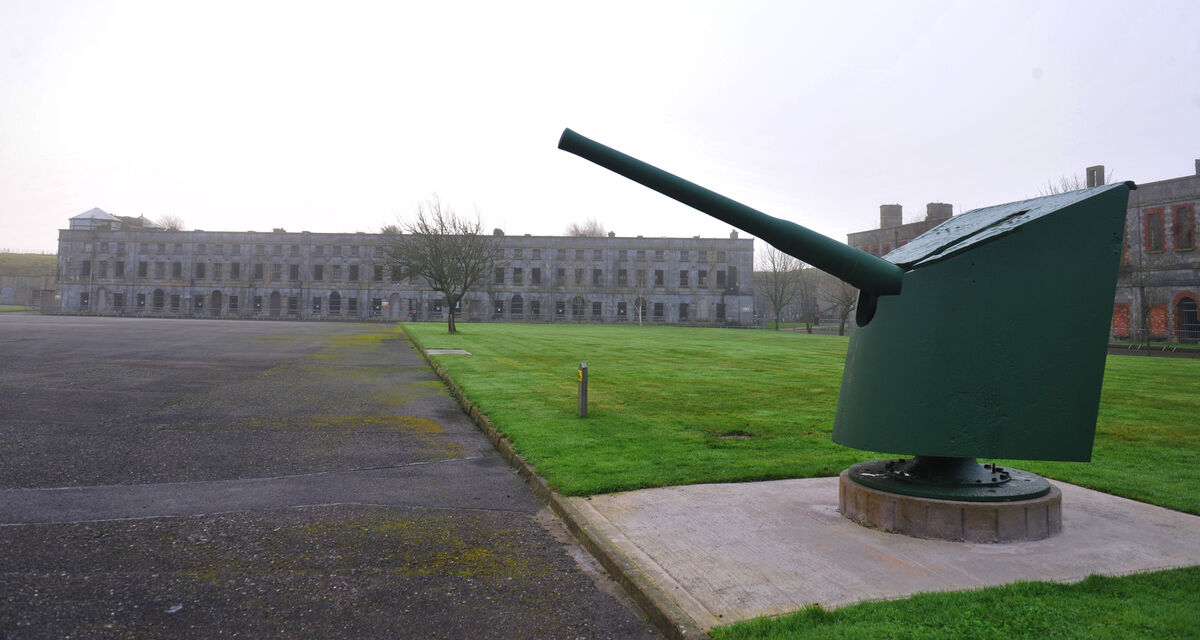
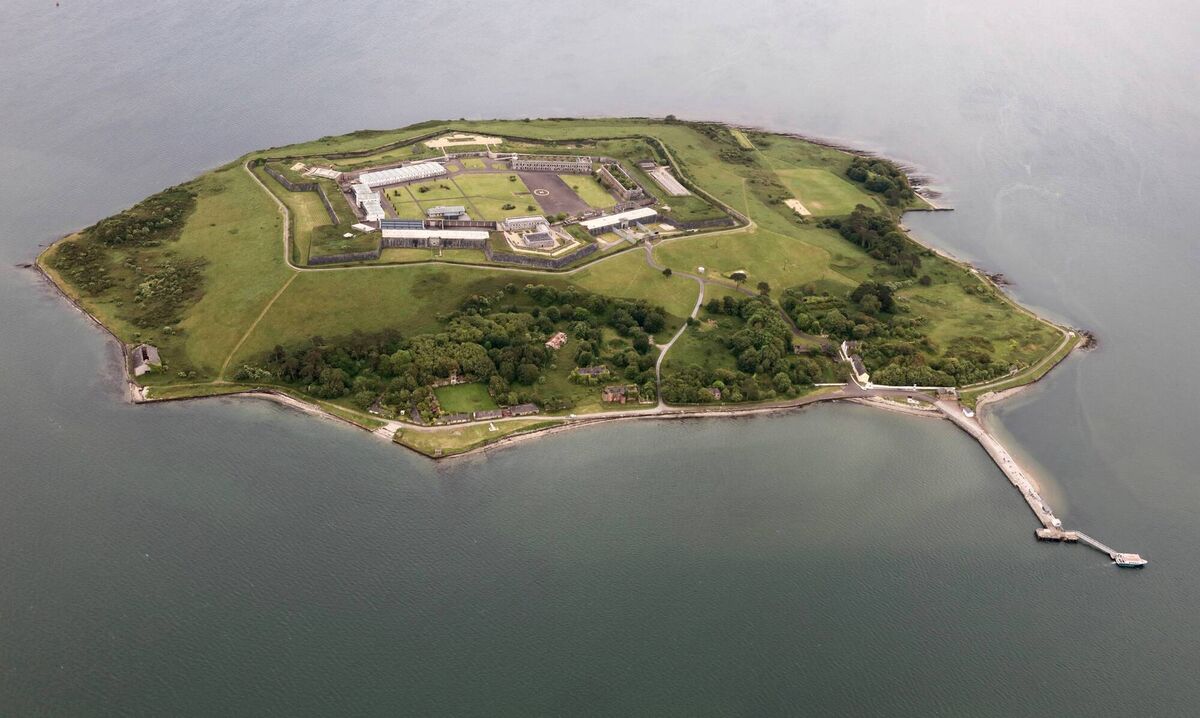
The existing fort on the 104-acre island was built between 1803 and 1860, by the British military.
From around 1790 to 1938, the island was garrisoned by the British army.
In addition to the primary role of coastal defence, the fort was also used as a convict depot between 1847 and 1883. During this period, it was the biggest prison in the British empire.
Many of those held in the prison were guilty of the most minor crimes, yet tens of thousands of them were deported to Australia, many dying on the journey.
During 1916, the fort on Spike Island incarcerated those involved in the Easter Rising.
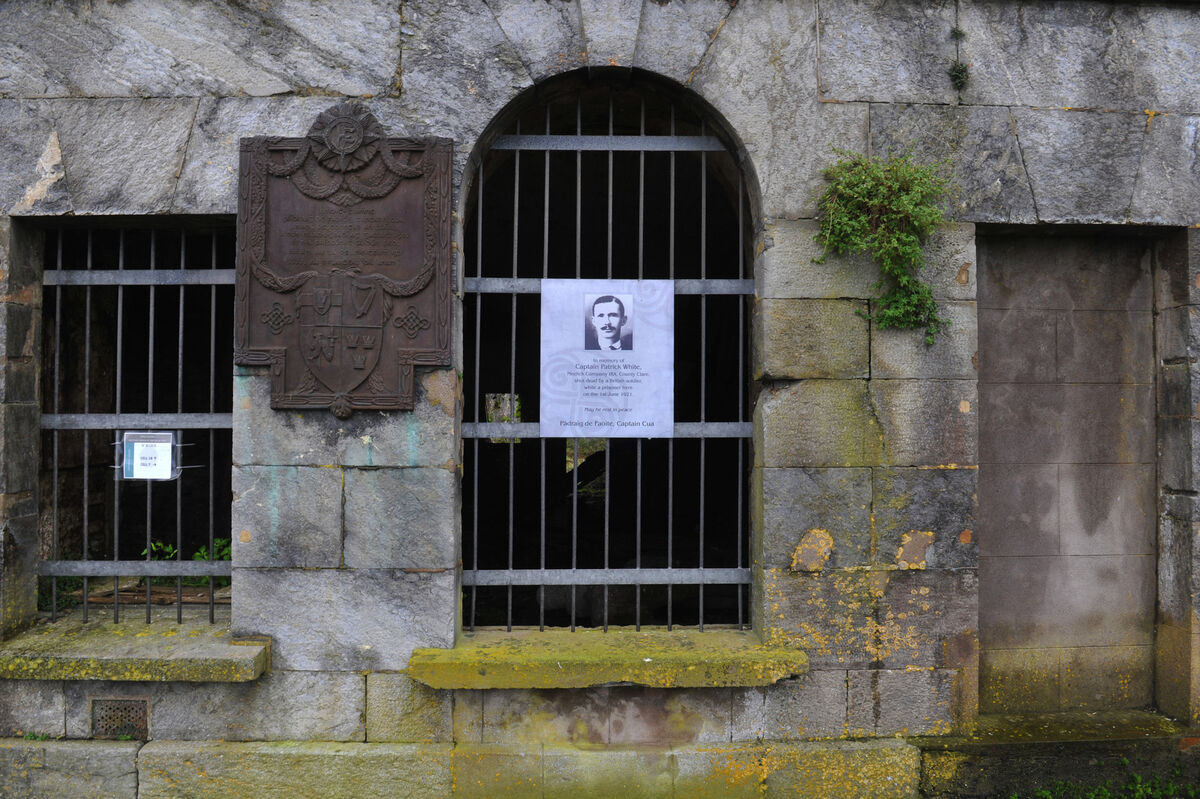
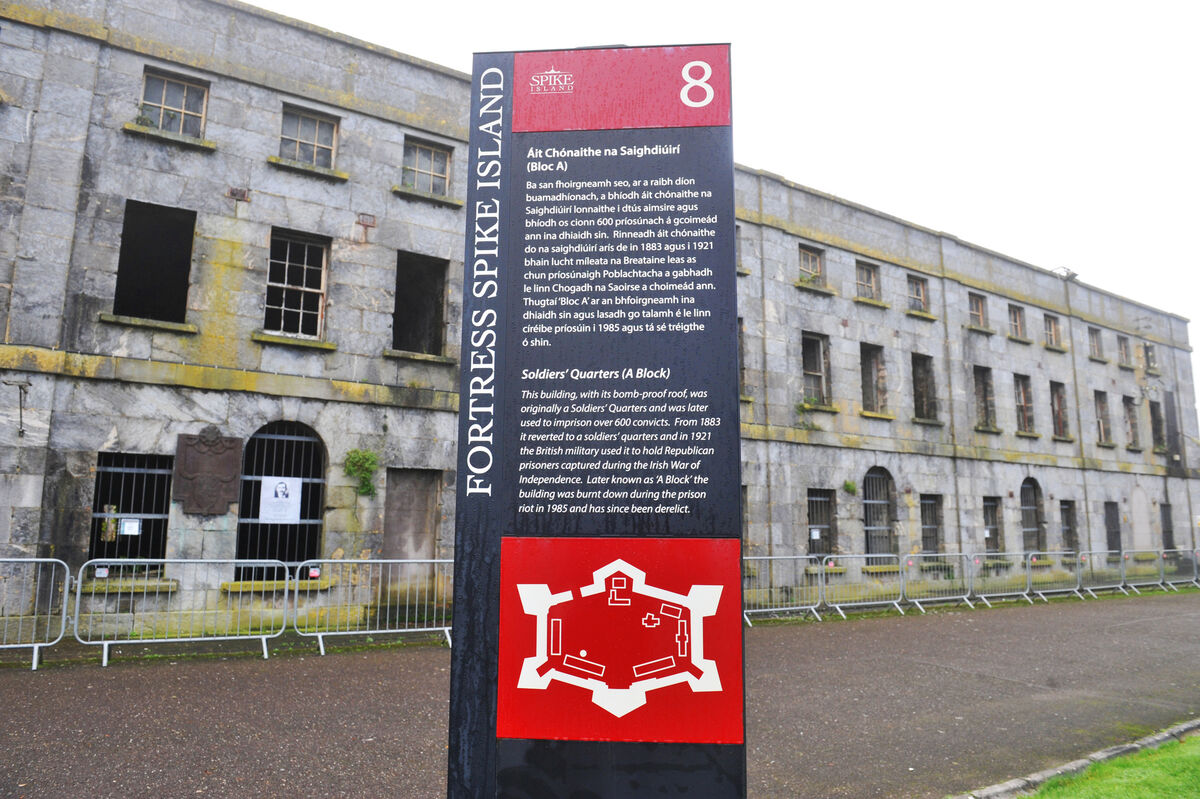
Later, during the War of Independence, it became a prison for Republican internees and prisoners. It was opened on February 19, 1921.
The men imprisoned there were almost exclusively from the six counties of Munster and from counties Wexford and Kilkenny.
The island was handed over by the British to Ireland in 1938 and was used as a base by the Irish Defence Forces. Later, the prison was reopened as a youth correctional facility.
On September 1, 1985, the inmates rioted. During the riot, one of the accommodation blocks, Block A, caught fire. Order was only restored after gardaí and an Irish army riot squad arrived.
The prison facility closed in 2004.
The Department of Justice handed it over to Cork County Council in July 2010 and the council set about turning it into a tourist attraction, dubbed 'Ireland’s Alcatraz'.
The island is now a world-class tourist destination. In 2017, Spike Island was voted the best tourist attraction in Europe and was runner-up in the worldwide category.
In 2019, the island won the best attraction at the International Travel and Tourism Awards ceremony.
Many visitors do not realise the amount of wildlife on the island, which is being used for the conservation of endangered species. The red squirrel is being reintroduced to the island, where it is safe from the grey squirrel.
The Irish hare is also present on Spike Island, and there is an abundance of pheasants, safe from mainland predators.
CONNECT WITH US TODAY



Be the first to know the latest news and updates