Nasty 'fatbergs' becoming a growing problem in Cork
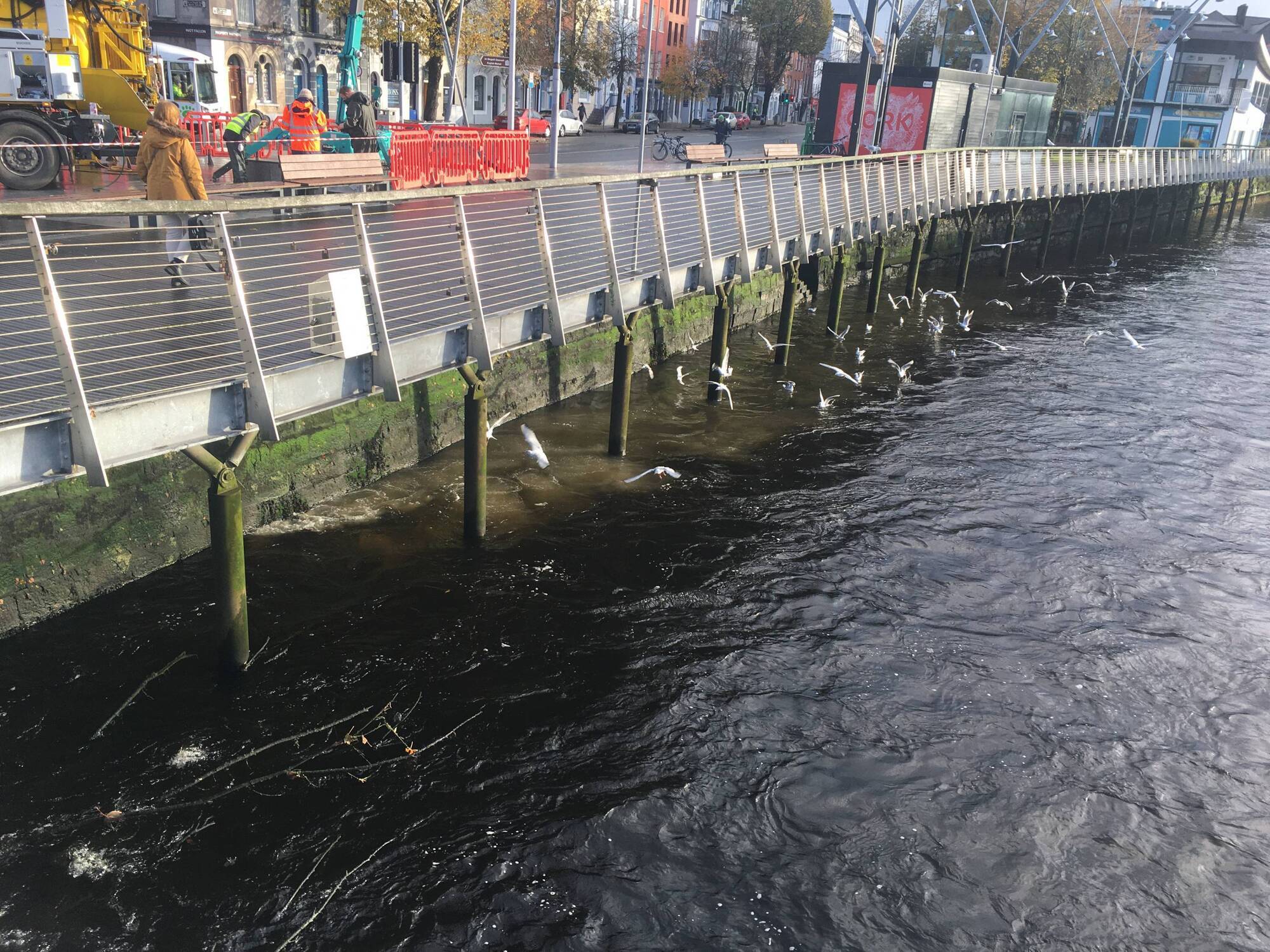
Nasty discharge in River Lee formed into a fatberg at the end of the Grand Parade/South Mall in Cork on October 27. Irish Water said: "On this occasion in October, a fatberg had broken away from the sewer pipe and blocked the pump station. This resulted in an emergency overflow from the pumping station and was resolved when the blockage was cleared."
A build-up of fats, oils, grease and other discarded items forming into nasty 'fatbergs' is becoming an increasing problem for council workers in Cork to tackle.
Irish Water and Cork City Council's most recent fatberg dismantling happened on the Grand Parade intersection with the South Mall, when they had to clear a blockage at the Grand Parade wastewater pumping station, causing unsightly discharge into the River Lee that alarmed passers-by.
So-called 'fatbergs' are becoming increasingly common in urban areas, usually in bigger cities, and can turn even the most hardened stomach.
The past decade has seen the problem exacerbated by people discarding nappies, baby wipes, condoms, sanitary products, which then join fats, grease and oils to form a disgusting coagulation that blocks water systems.
Irish Water said the October fatberg in Cork was caused by a build-up of fats, oils and greases.
"When fats, oils and grease are hot and in liquid form, they pour easily down the sink and drain. However, when they cool they form solid masses, commonly referred to as fatbergs, which can cause serious pipe blockages and sewer flooding, resulting in property damage and harm to the environment.
"On this occasion in October, a fatberg had broken away from the sewer pipe and blocked the pump station. This resulted in an emergency overflow from the pumping station and was resolved when the blockage was cleared."
There have been other operational issues caused by fatbergs in sewers in this area in recent times. Irish Water and Cork City Council continue to implement preventative measures, including sewer jetting and cleaning of pump stations, to avoid discharges due to blockages, the utility firm said.
Irish Water urged the public and businesses to help alleviate the burgeoning problem.
"We would ask businesses and the wider community in Cork City to assist our operational teams in their work, help avoid these blockages and think before you pour fats, oils and greases into the sink and drain.
"Irish Water is working at this time, with our local authority partners, contractors and others to safeguard the health and well-being of staff and the public and to ensure the continuity of drinking water and wastewater services," it said.
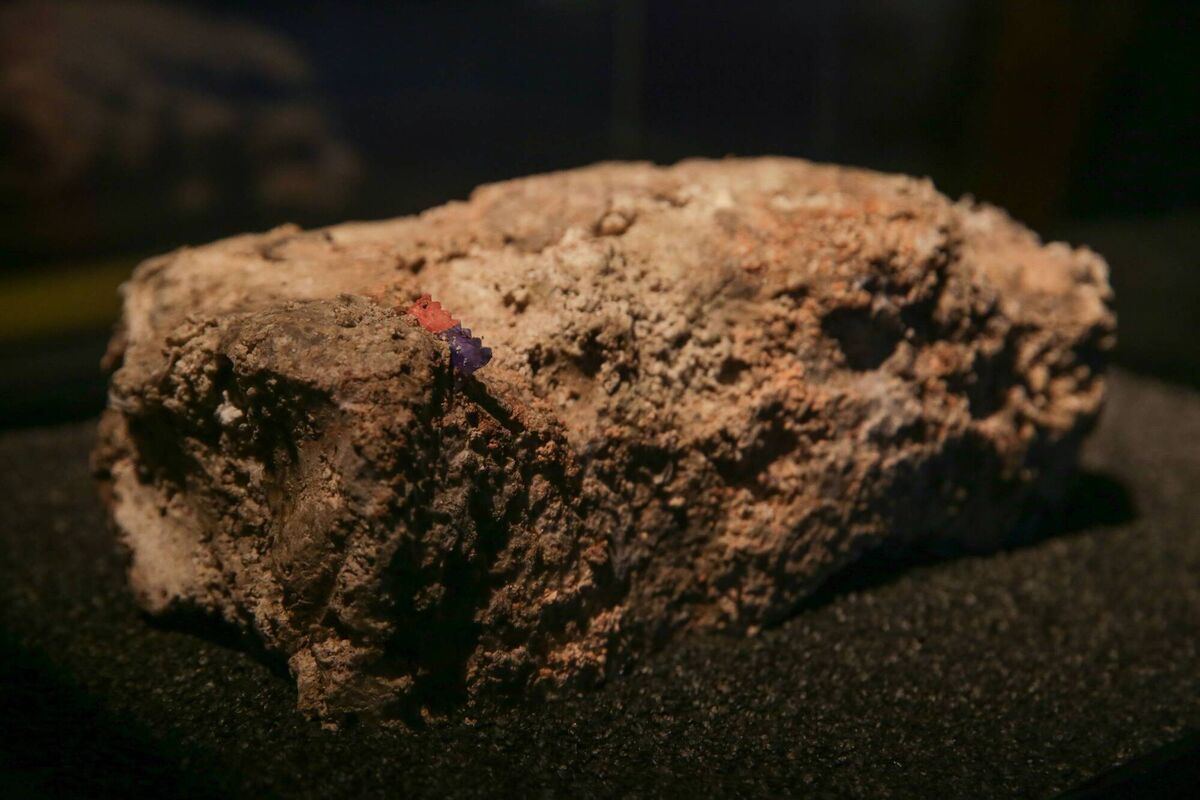
A 2019 survey by An Taisce found that 58% of the public do pour fats, oils and grease down the sink.
According to An Taisce, having a container in the kitchen, such as reusable silicone, can be useful to collect cooled waste fats, oils and greases.
When these items have hardened they can be disposed of in the bin, it said.
Running a hot water tap and using washing up liquid is not the solution as grease and hot water eventually cool down in pipes and can cause blockages homes, businesses and the sewer network, An Taisce has warned.
What is thought to be the largest ever fatberg was discovered in Liverpool in 2019, weighing 400 tonnes and measuring around 250 metres, or longer than a passenger airplane.
The congealed mess was so bad that engineers had to hack at it using pickaxes, and it took around six weeks to break it up.

CONNECT WITH US TODAY



Be the first to know the latest news and updates