Budget 2021 in a town: Business supports a must for 'resilient' Cobh
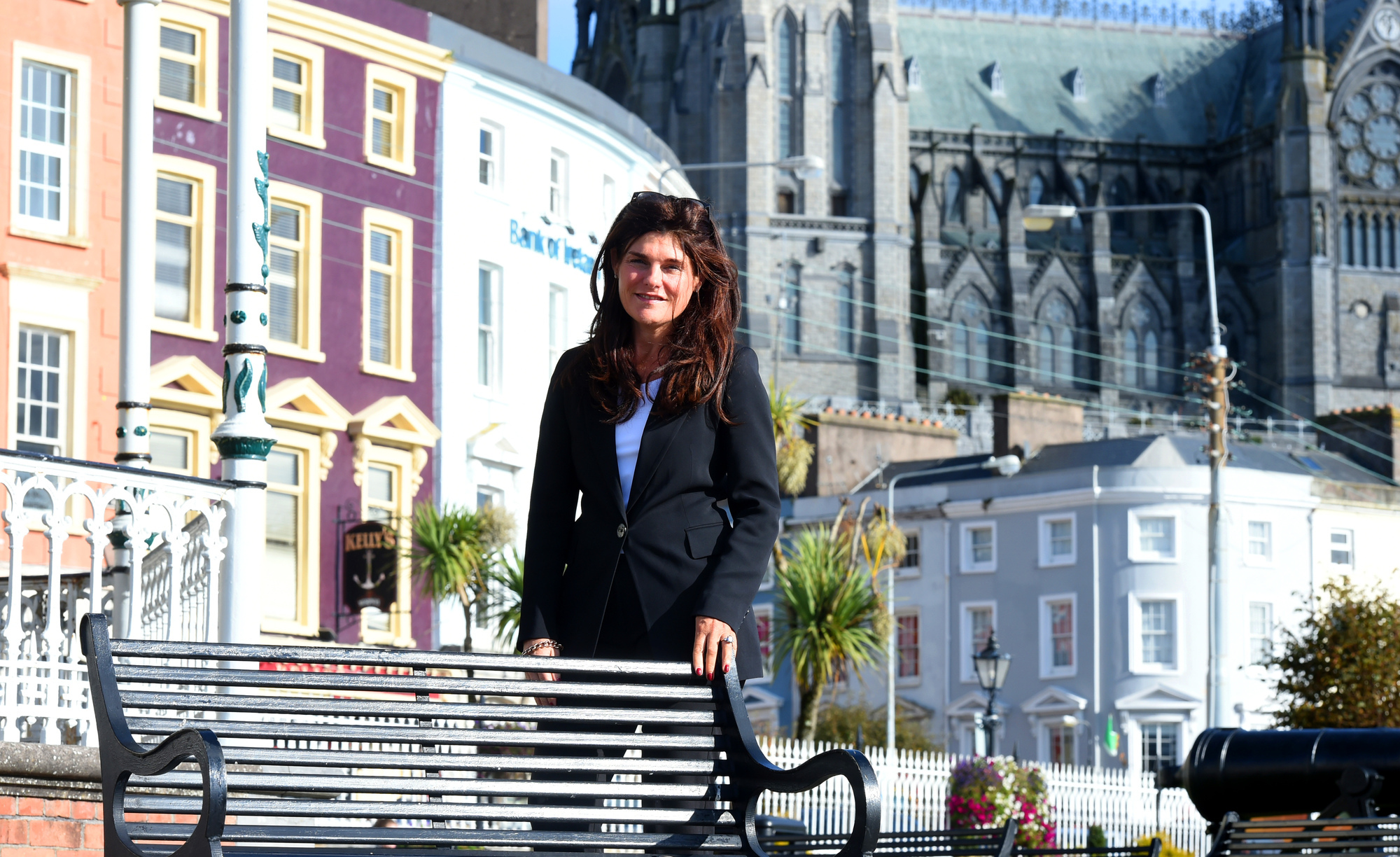
Johanna Murphy, auctioneer and incoming President of Cobh & Harbour Chamber, says the local residents, as well as staycationers, have kept Cobh afloat amid the pandemic. Pic: Larry Cummins
Cobh, the well-known seaside town overlooking Cork harbour, is again facing tough times.
Due to the pandemic, Cobh is not the bustling tourist hub it was last year. The hilly town is usually bustling with glittering cruise liners, street performers, live music, busy bars and cafés - the streets are normally lined with international and Irish tourists.
This year, Cobh was shuttered for the first half of the summer, traditionally its busiest season.
However, Johanna Murphy, incoming president of the Cobh and Harbour Chamber, says the town is very resilient and will recover with the right government support.
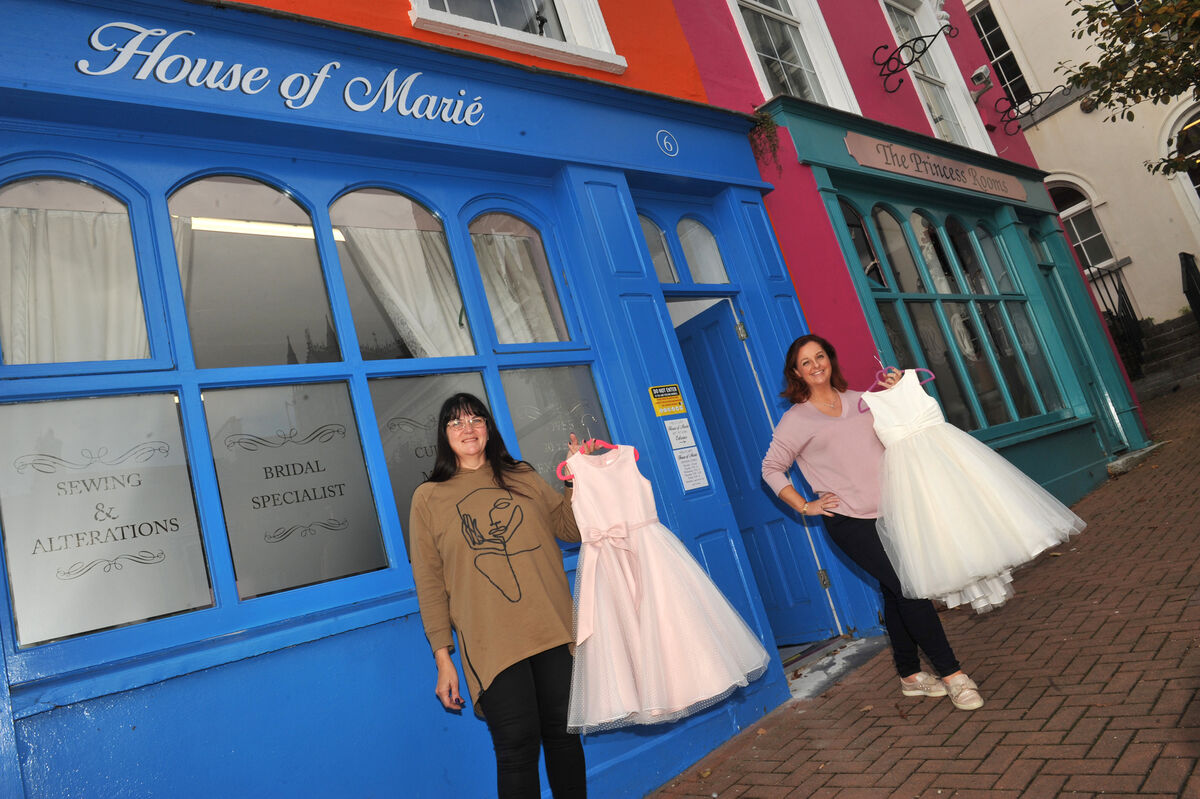
She is an auctioneer and has worked in Cobh for over 25 years. Her father was also from the town and she often visited when she was younger.
"I've seen Cobh in the 70's when it was booming, and in the 80's when it wasn't."
Verolme dockyard used to employ over 1,200 people before its closure in 1984. Irish Steel closed in 2001, but Cobh bounced back. "It's a very resilient town."
Cruise liners are a big part of Cobh's economy, with the Cork town winning best destination in the British Isles and Western Europe category in the 2019 Cruise Critic Awards. Johanna says it has been very quiet without the liners.
"There's normally passengers, crew and spectators who come to see the liners. We do miss them.
"When they are allowed to return, the Port of Cork will ensure all safety measures are adhered to."
She says the local residents, as well as staycationers, have kept Cobh afloat in their absence.
In terms of Budget 2021, Johanna says business supports are paramount.
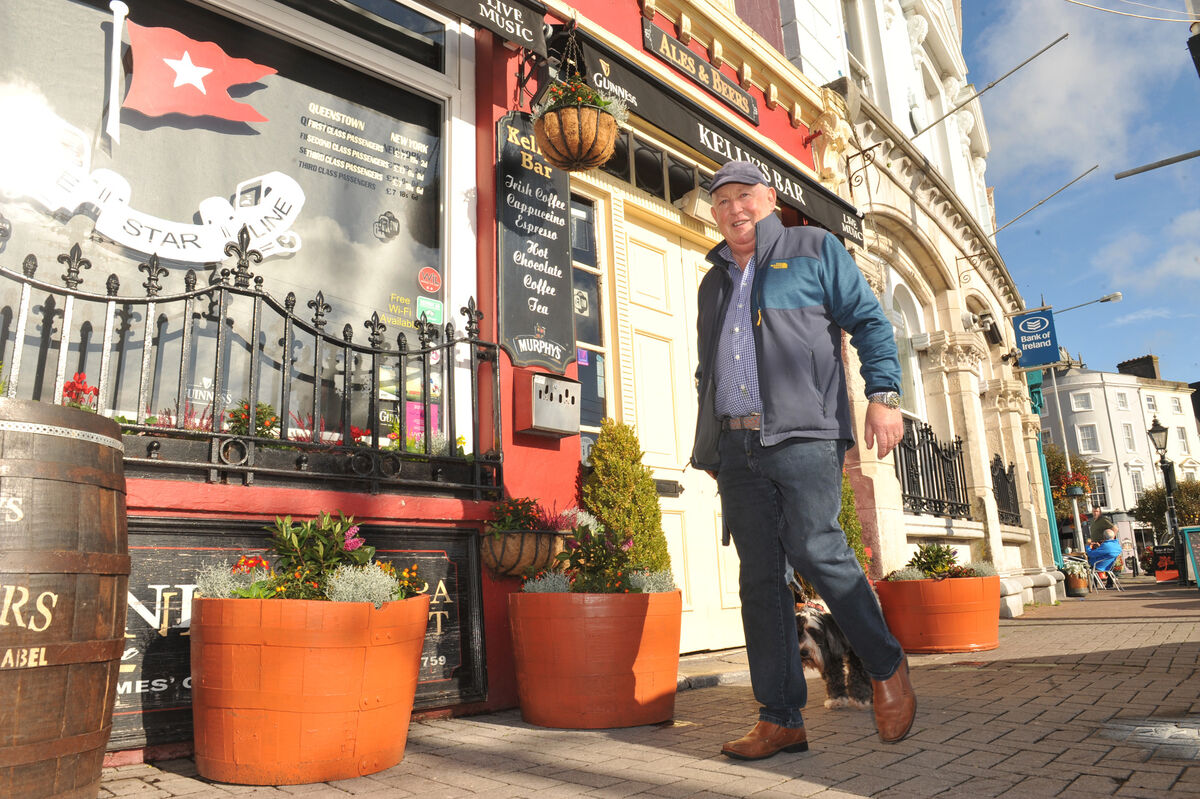
"For tourism and hospitality, I welcome the VAT rate cut to 9%. All commercial rates should be waived indefinitely until the economy rights itself. The bank moratoriums need to be extended, this will help with the liquidity of businesses, and businesses should not be condoned [for availing of these supports]."
She also said comprehensive Covid testing in airports is needed to allow safe travel.
"Business continuity grants of up to €500 million need to be put in place for both tourism and hospitality. We can't forget, Brexit is also looming."
Retailers also need to be supported, and Johanna is keen to help new retailers to open shops in Cobh.
She would like to see more emphasis on walking and cycling infrastructure, and the budget could help realise this. She adds that a train station in Ballynoe, as well as a water taxi across the harbour, would increase connectivity.
Schools are another issue, and with Cobh's growing population, Johanna says it is important the Community College gets funded for the extra 600 places it has been approved for.
Elderly people are another key demographic of the town, and Johanna adds the community hospital needs expanding and assisted living supports need funding.
While Cobh has been hit by Covid-19, the impact has been softened by the support of Irish visitors
"We had a great start to the year. January, which is normally a disaster of a month, was actually quite good. There's a couple of way points at the start of the year, Valentine's weekend, Patrick's weekend, but once you have a reasonable January you can make it till April when everything kicks in," says John Gately, managing director of the well-known Commodore Hotel
During the hotel's closure, Mr Gately sat inside the doors, looking out at the empty waters.
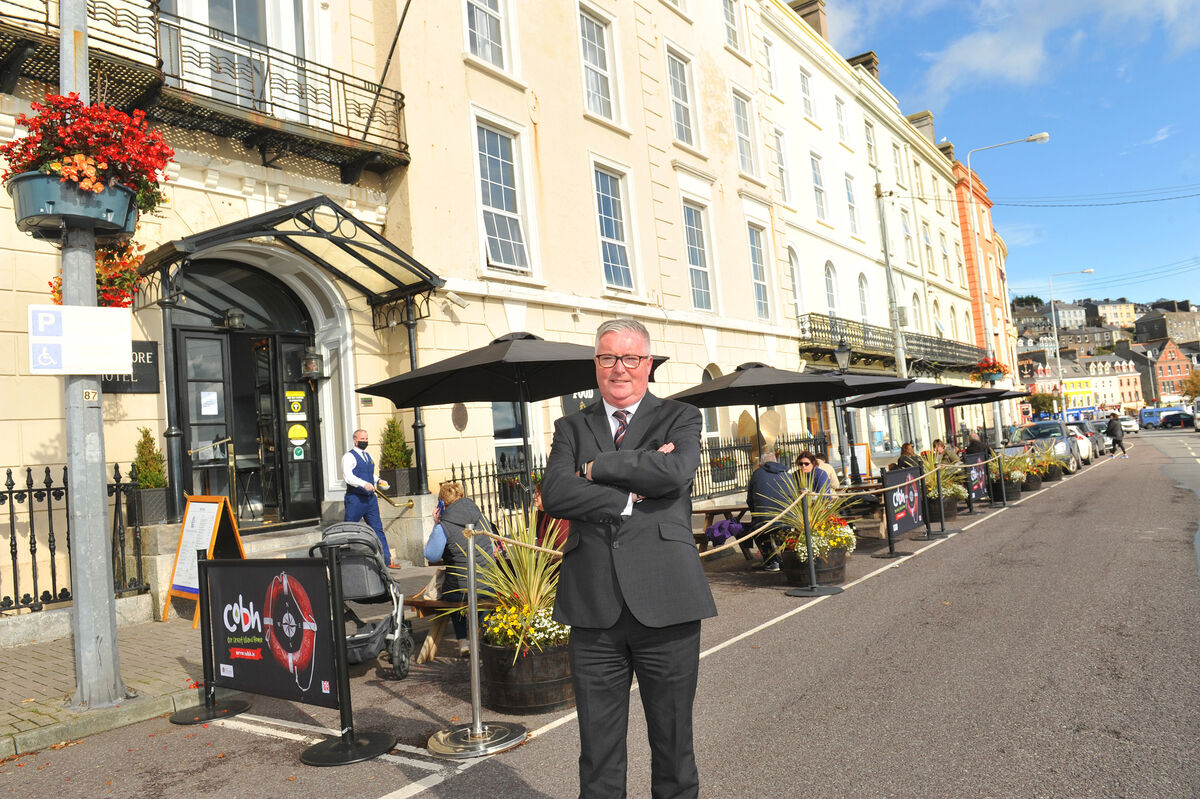
"It was surreal looking out onto a harbour with no traffic... we were delighted to be reopened on June 29."
The Commodore was able to re-employ all of its staff, and Mr Gatley says Cobh had a good three months.
"July, August and September were busy."
October was set to be another good trading month, but with the new restrictions in place, a hold has been put on bookings. Currently, hotels are open with services permitted for residents.
Read More
"Level three and Level five aren't much different for us, because people can't travel into Cork. That knocks out our base completely, we were suffering already with Dublin being at level three."
The hotel has outdoor dining facilities and will remain open for now.
As for the budget, Mr Gatley would like to see the VAT rate slashed to 5%, similar to the UK. The move to 9% announced was essential, he said.
The new employment wage subsidy scheme, the replacement for the old temporary wage subsidy scheme, is another sticking point. Mr Gatley says the new scheme is not as efficient.
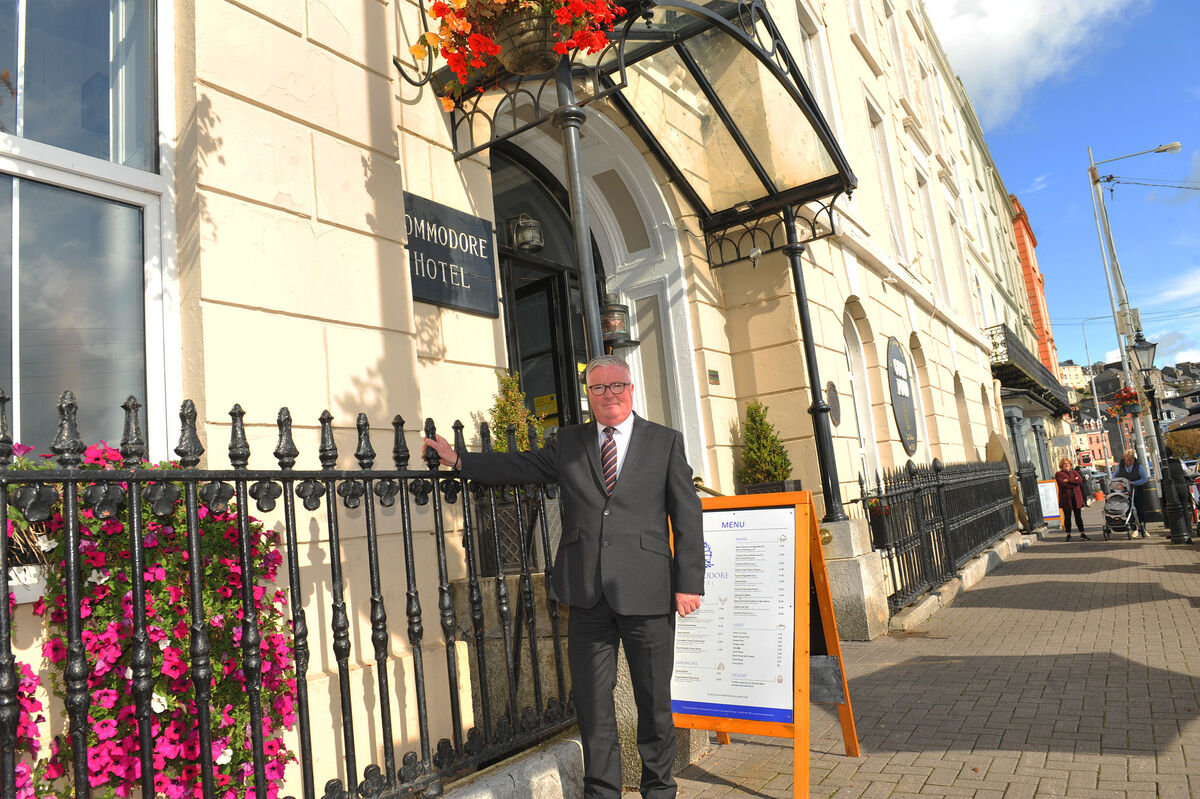
He adds that the local authority rates should be waived for the whole of 2021, and that the six month moratorium on loans needs to be extended to 12 months.
Continuity grants of up to €500 million will help the industry, and also bolster businesses against Brexit, which Mr Gatley believes will also hinder growth. "270,000 jobs are at stake."
He also believes international tourism needs to come back safely. "Rapid testing in airports would help international travel come back to Ireland."
He is grateful that the West and South of Ireland did well out of domestic tourism in the summer months.
"There was an upturn there, but now things have changed dramatically for everybody."
Killian Tighe says Cobh and Ireland will cease to become the land of a hundred thousand welcomes unless something drastic is done to save the hospitality sector.
"It will be a hundred thousand goodbyes," he warns.
Killian welcomed the move of the VAT rate and while he acknowledges there isn't a limitless supply of money, he said the banks need to do more.
The owner of The Roaring Donkey pub admits he is fortunate that they are still able to have 15 people outside in the beer garden, and he is grateful to his wife, Joanne Tighe, for designing it.
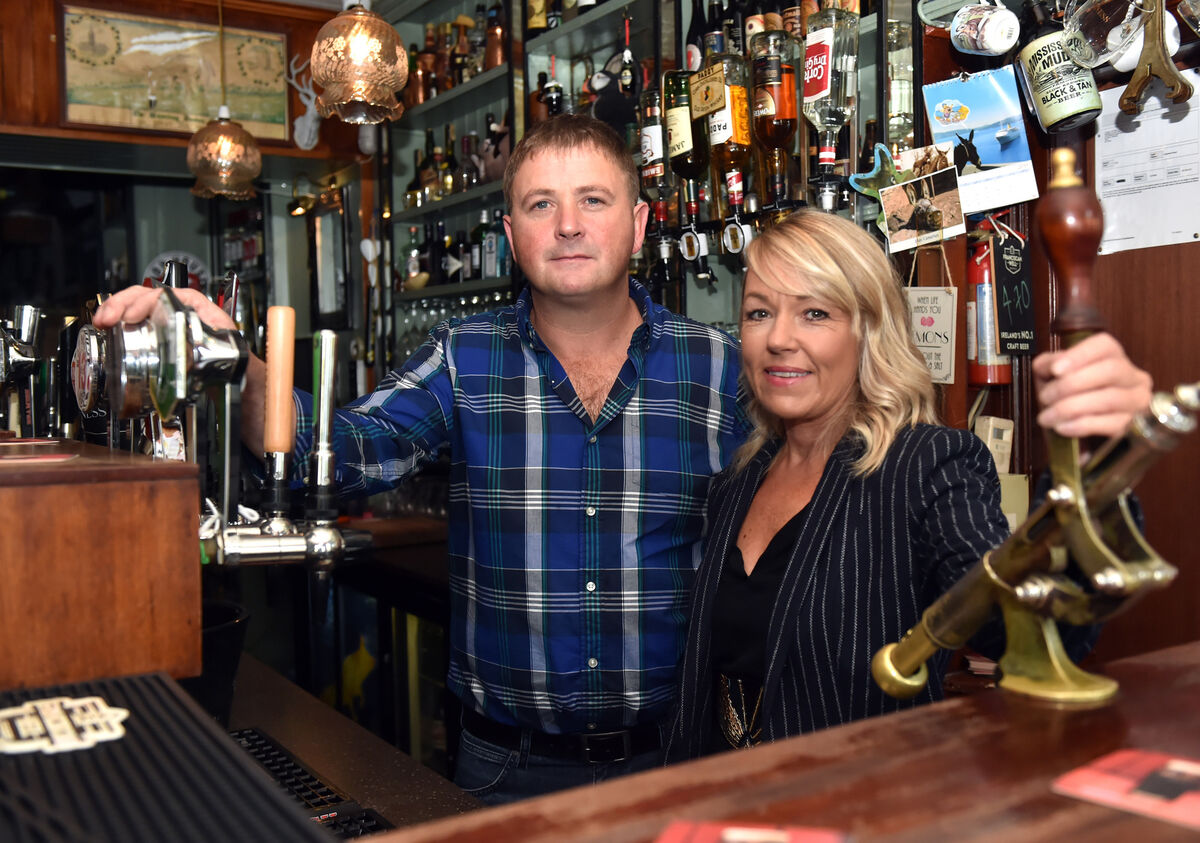
"It's the only hope we have."
However, he feels abandoned by the Government and always believed the pubs were only reopened so they could be shut again.
He thinks many of the pubs in Cobh, who relied heavily on tourists coming from other parts of Ireland as well as stepping off the cruise liners, will never open again.
"None of the politicians have to survive on €350 a week. Those in power didn't all take a pay cut. When you see the amount of special advisers they have appointed, when you are just living on handouts. I am self-employed all my life. I am just one of these people who wants to get up, work, do what I can, and employ who I can."
Mr Tighe was an oyster farmer before he became a publican and he suffered a serious loss when the Government banned oyster farming in Cork harbour in 2002.
"Here we are, 18 years later, and all my plans are whipped from me again.
"The capacity of the pub was about 150, with people standing and people at the bar. Then we went down to 90, and we were on a par with our figures from the same period last year, which was great, I was surprised about that. Every table was full most nights, but now we are down to 15. That's 10% capacity."
Mr Tighe says his costs also went up because there is more labour required with table service.
The only reason he is open is because he would "go mad".
"I don't think the politicians understand our plight - and it will be me going back to make money to generate the taxes to pay their salaries."
Henry Crowley the owner Sea Salt café has had a tough six months, like many others in the food and hospitality sector.
Pre-Covid, Cobh was booming. The last year and the first three months of 2020 were the "busiest months ever."
"It was probably the best year we ever had tourist-wise," Henry says. "Cobh had very good publicity in the last couple of years."
That all changed with the pandemic, which forced the closure of many businesses.
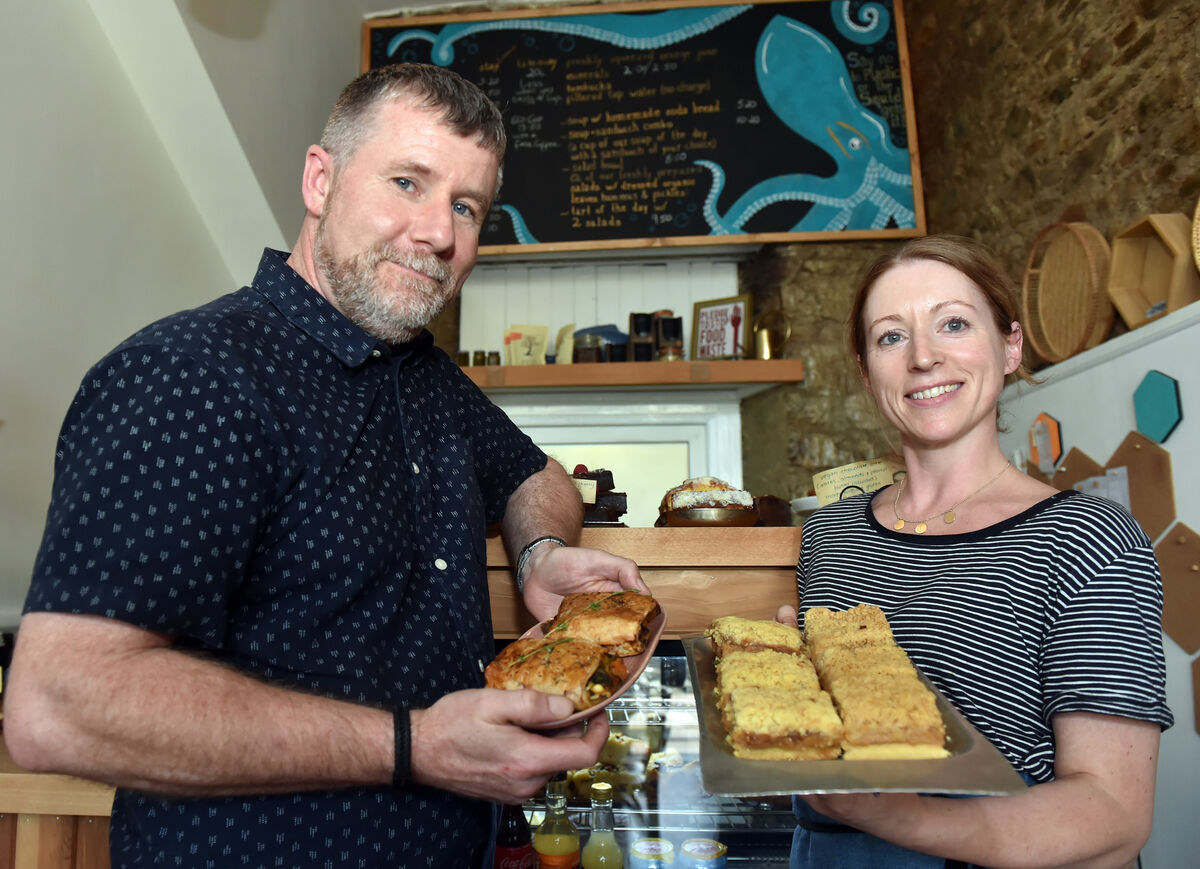
"On a personal level, the priority was safety. The business impact of it; it's something you might recover from in a year or two's time.
"Initially when we reopened, we were trading around 48% compared to last year's figures. I don't know if it's viable. It's coming from very high figures last year, so maybe we will survive, maybe we won't."
He has noticed his staff, reduced from 12 to four, are worried about job precarity.
"Even the girls that are there, I can see the difference in them. They are stressed. Will they have a job at the end of the week? It affects their entire family."
Henry says the hospitality sector is being impacted greatly. "We don't have a strong enough government to help [us]. Ideally VAT should be slashed."
The rate has been cut from 13.5% to 9% until the end of next year.
He also hopes that the current rates waivers and the loan moratoriums are at least extended, but ideally, he believes they should be written off.
"The burden of owing that money is still there. It's the mental stress more so than anything else."
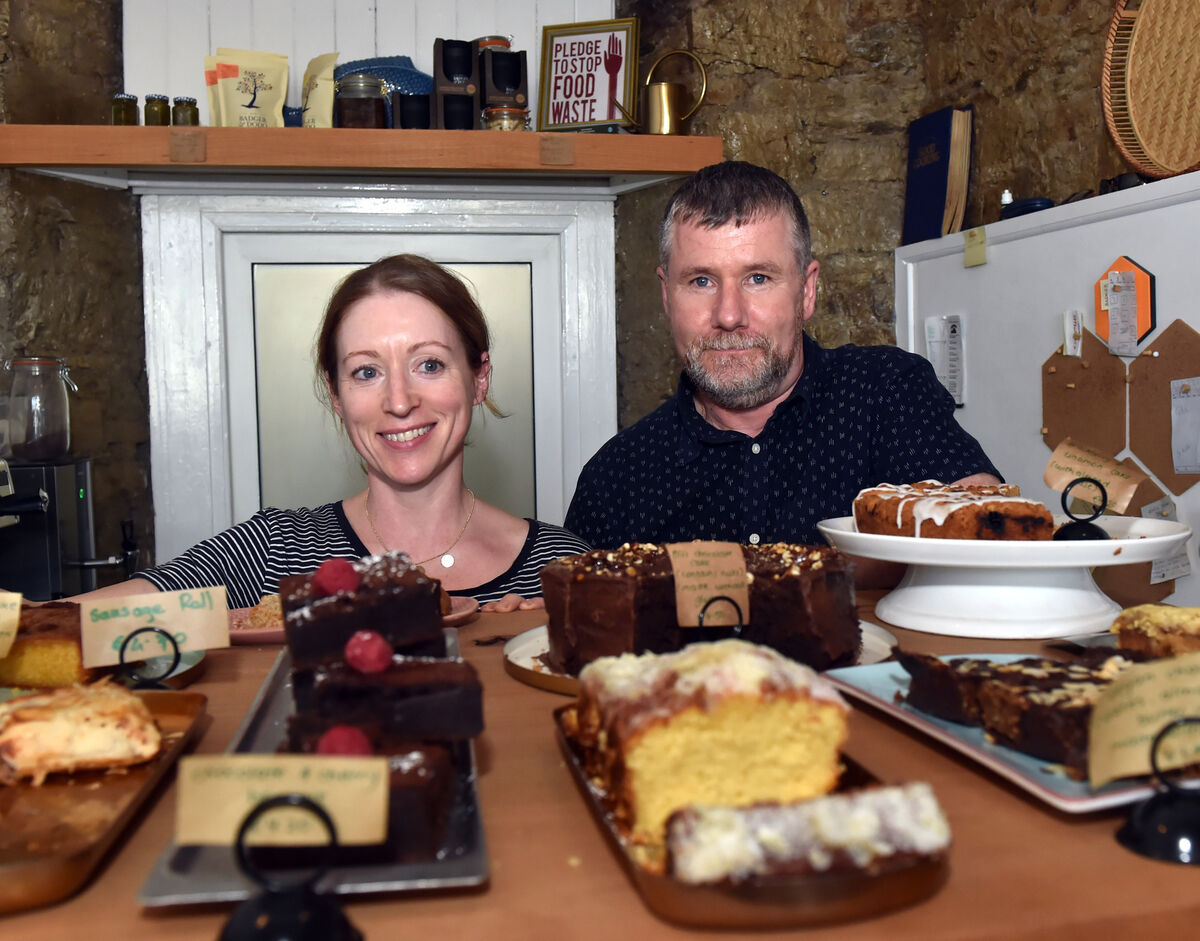
He says the banks need to step up. "There has to be something given back. It would make people feel like they are not being ignored, the ordinary people would feel looked after."
He adds that the big multinationals will never employ as many people as small, local businesses. For this reason, he thinks they warrant more support and attention in the budget.
"Even with the updated wage subsidy scheme, now businesses have to wait six weeks to be reimbursed for the wages they paid out. It's a cash flow thing for small businesses. If the cash flow is already dwindling because of a decrease in customers, things like that don't help."
If there is a second full lockdown, Henry can't see his other business in Cobh, Treasure Cove Jewellers, reopening.
"I have stock for Christmas, and if I can't sell that, I'm in trouble.... that's been open 35 years, it's a family business."
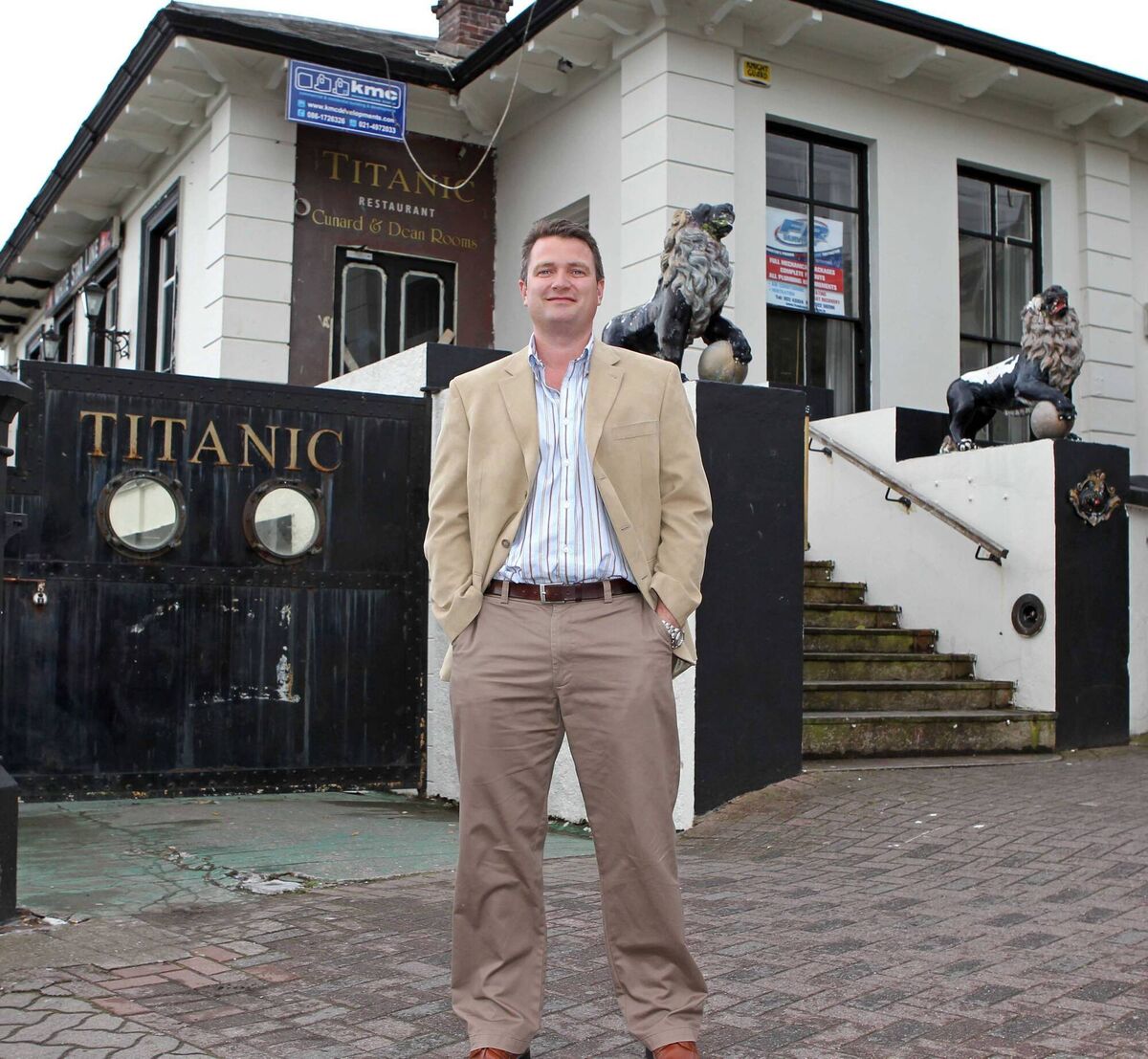
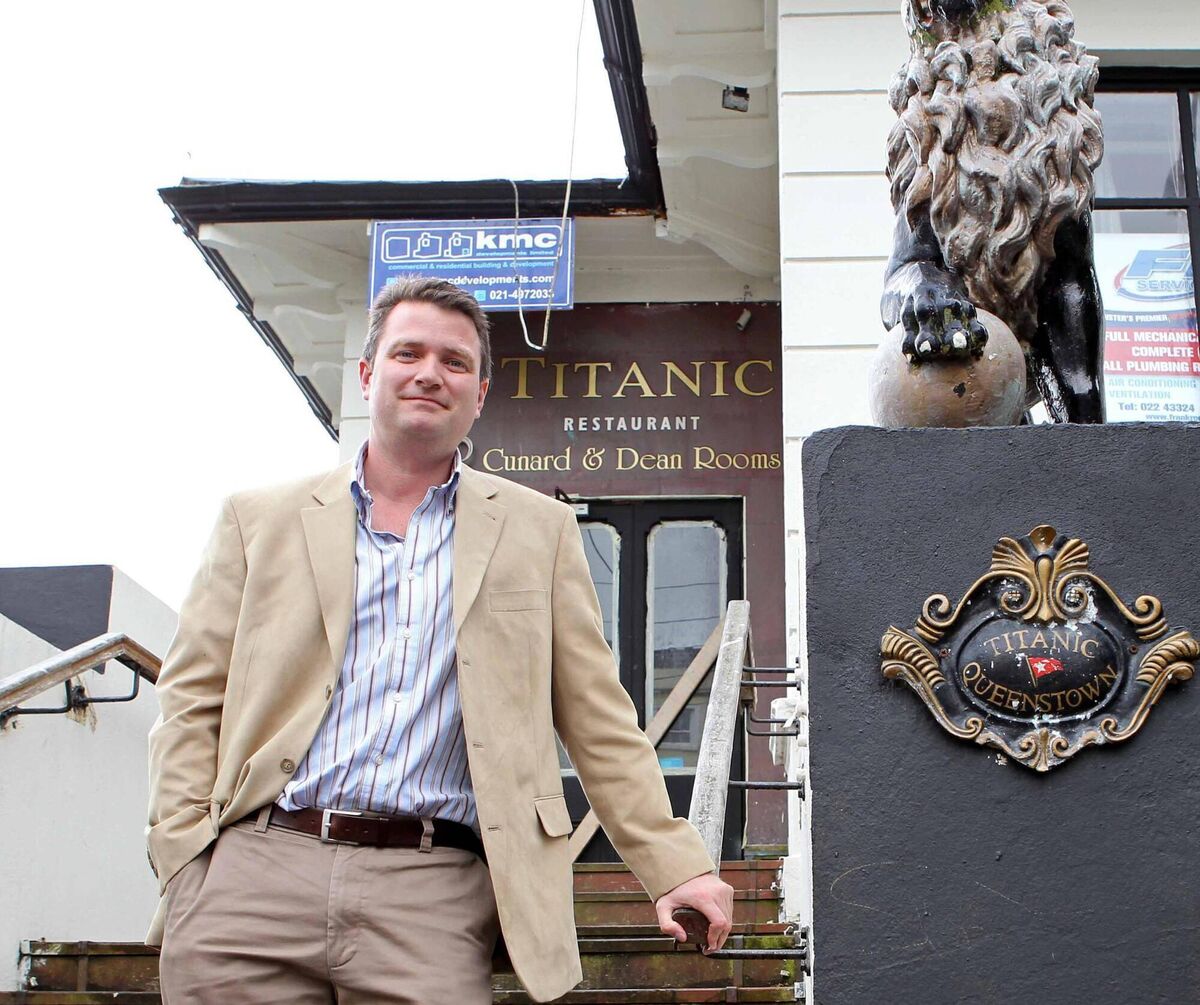
Gillen Joyce, along with his wife Sonia, set up the Titanic Experience in Cobh in 2012. This, along with Spike Island, are a major tourist attraction.
The Titanic Experience is actually headquartered in the old White Star Line building in Casement Square. While Cobh was previously known as the last port of call for emigrants seeking a better life, in recent years it has made a name for itself by welcoming in tourists by the boat load.
Sadly, a new tragedy has struck the town — this time the lack of people coming in, as opposed to people leaving.
Mr Joyce acknowledges Cobh would rely heavily on the tourist trade, and he thinks the budget needs to consider the role the trade plays in Ireland's economy as a whole.
He believes the single most important thing the sector needs is the wage subsidy scheme.
"A continuation of that beyond March would be very welcome," he says.
"Commercial rates is another area. We are now closed again and entering into what is traditionally the off season. A rates reduction based on the percentage of turnover lost would be very welcome, or at least not having to pay rates while the business is closed."
Like many others, he points to a reduction in Vat as essential to the sector's continuation. The Government cut the rate to 9%, but he believes more is needed.
He says: "The Vat rate reduction is absolutely key to helping businesses survive. Here I would like to see a tapered approach, where it is reduced sharply with immediate effect and then increased to 9% after a period of time."
He says that some sectors and businesses have been more adversely affected than others.
He says: "Some may experience a 15 - 20% reduction in turnover. They should absolutely receive support.
"However some businesses in the tourism and hospitality sectors in particular are experiencing turnover reductions of 70 - 80%."
Therefore, he is calling for a more targeted approach, as opposed to the one size fits all grants and supports that are currently in place.
He says: "With that in mind I would like to see support bands introduced. The level of support could be based on the percentage reduction in turnover for viable businesses, such that those who are more adversely affected by the pandemic would be offered more supports.
"This will help facilitate the survival and recovery of the viable businesses in the sector as a whole."
CONNECT WITH US TODAY



Be the first to know the latest news and updates