Influence of super junior ministers at Government meetings not provided for in Constitution, court told
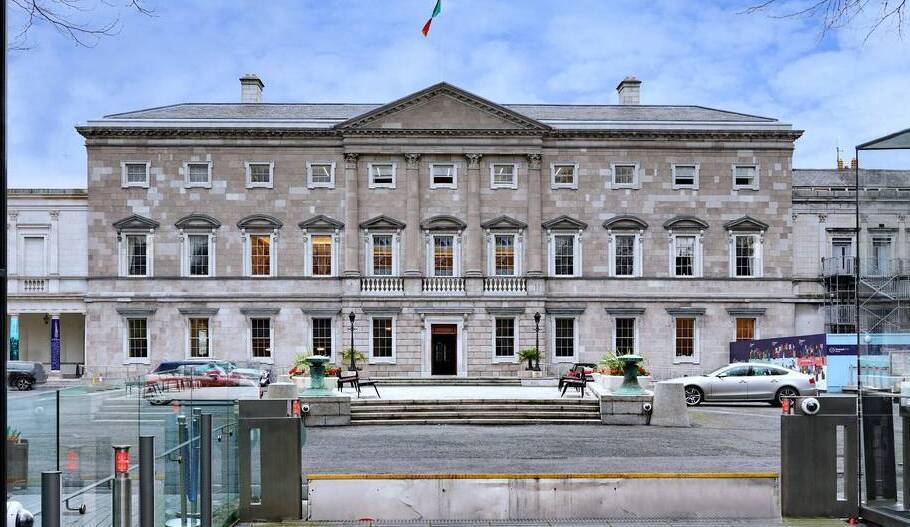
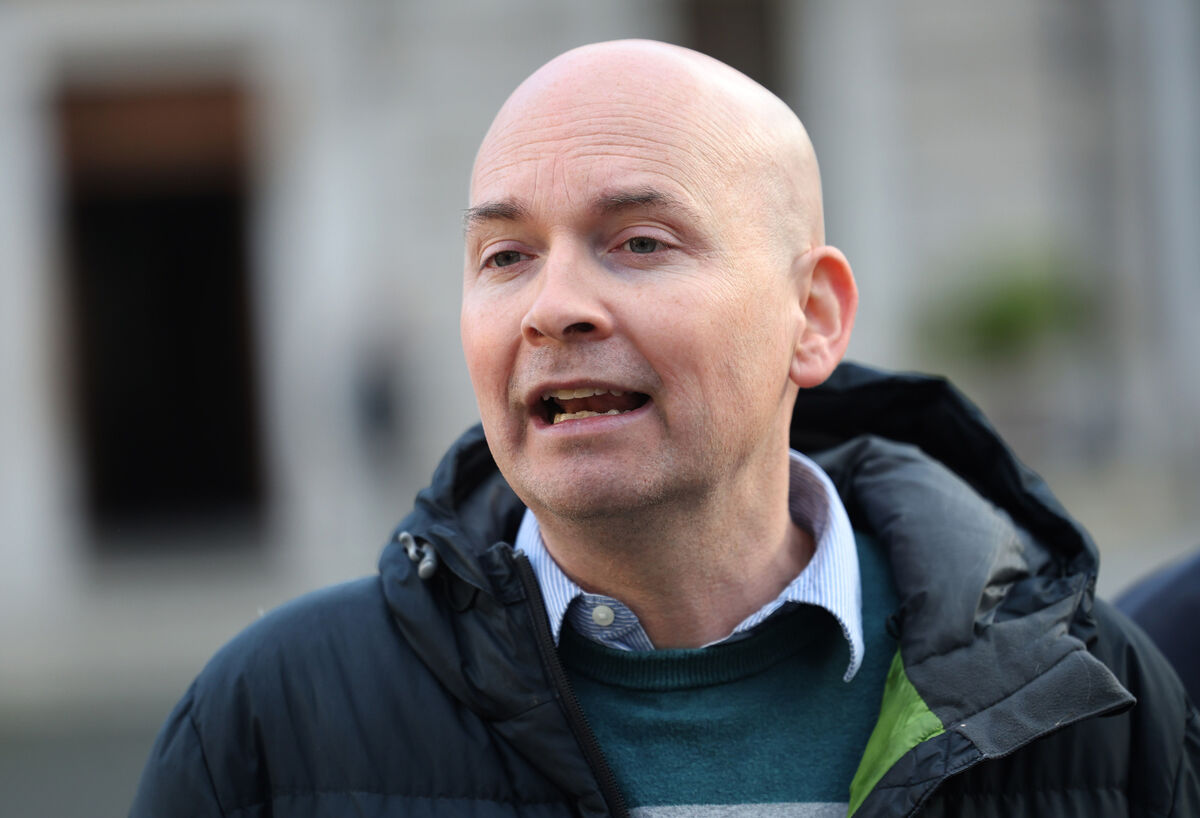
A three-judge High Court last December dismissed the challenges by Sinn Féin TD Pa Daly and People Before Profit-Solidarity TD Paul Murphy. File picture
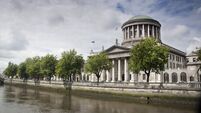
Influence exercised by super junior ministers attending meetings of Government is not provided for in the Constitution, and represents an arrogation of power, the Supreme Court has heard.
The arguments were made at the hearing of an appeal by two opposition TDs over the rejection of their legal challenges to the attendance of super junior ministers at meetings of Government.
A three-judge High Court last December dismissed the challenges by Sinn Féin TD Pa Daly and People Before Profit-Solidarity TD Paul Murphy.
They were subsequently awarded 50% of their legal costs against the State because of the importance, novelty, and complexity of the constitutional issues raised.
The TDs brought separate but similar challenges, arguing Article 28 of Bunreacht na hÉireann limits the number of government members to 15 and the attendance of super junior ministers at cabinet meetings goes against this.
Ministers of State attending Cabinet — or super junior ministers — are appointed by the Government on the nomination of the Taoiseach.
They participate in Government meetings, but do not vote.
The High Court, comprising court president Mr Justice David Barniville and Ms Justice Siobhán Phelan and Mr Justice Conleth Brady, held no provision of the Constitution is breached by the attendance and participation of the junior ministers at Cabinet meetings.
Both TDs applied to the Supreme Court to hear appeals against the High Court decision on grounds including that it was based on errors of fact and of law.
They are also appealing the costs orders, arguing they are entitled to their full costs.
Opening Mr Murphy’s appeal before a seven-judge Supreme Court, senior counsel John Rogers said the Constitution clearly defines the Government as the 15 members appointed by the President, on the nomination of Dáil Éireann.
Under the Constitution, those 15 members are accountable to Dáil Éireann, whereas the super junior ministers are not, submitted Mr Rogers, appearing with Paul Gunning and Molly Higgins instructed by KM Solicitors.
Read More
Counsel argued that the present arrangement, whereby super junior ministers participate in Government decision-making, has an “attrition” on “the effectiveness of the people’s Government, as ordained by the Constitution”.
The present scenario arises from a “formalisation” of an arrangement whereby the Taoiseach invites super junior ministers to attend and deliberate at every meeting of Government.
The arrangement gives those ministers the authority to debate topics at Cabinet, and “assist in the formulation of Government policy”.
“That is the difficulty,” Mr Rogers said.
The super junior ministers’ power to exercise influence at meetings of Government is not provided for under the Constitution, counsel said.
The Taoiseach has placed them “in the room”, and in doing so has “arrogated power”, he submitted.
Questioned by the judges on the attendance of the chief whip, attorney general and secretary general at meetings of Government, Mr Rogers said their presence was a “functional necessity”.
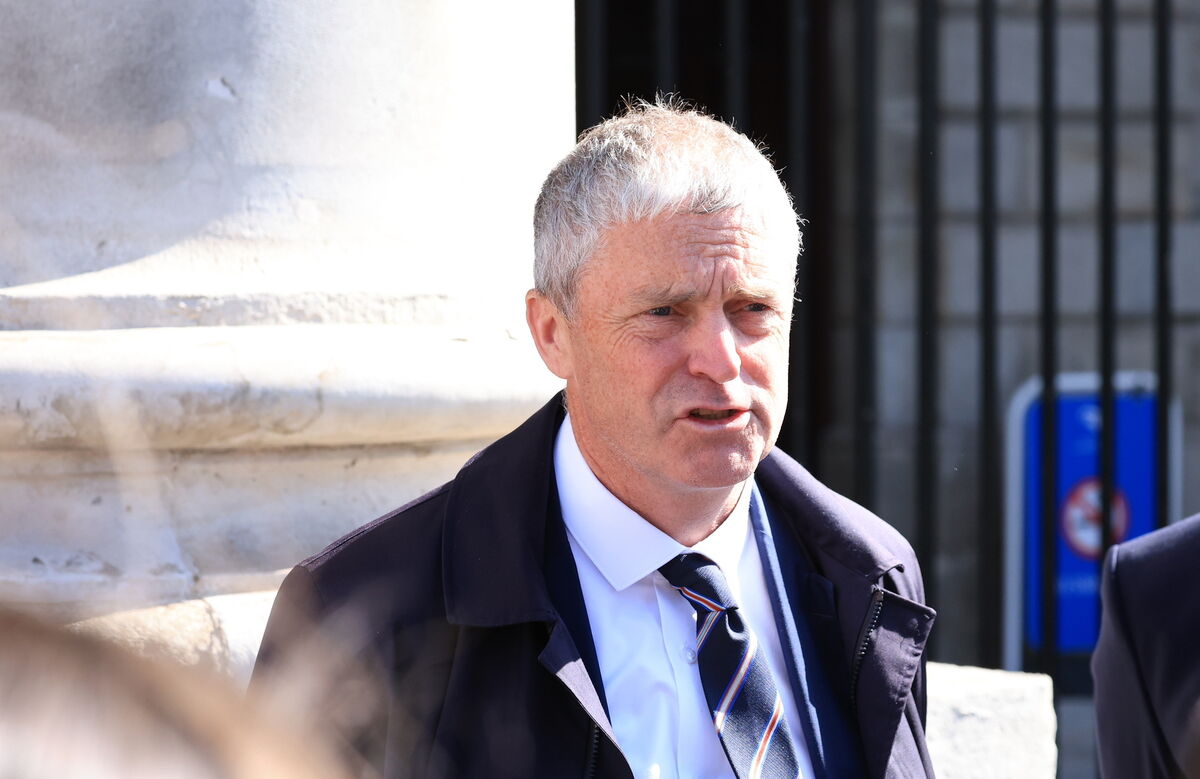
Arguing Mr Daly’s appeal, senior counsel Feichín McDonagh submitted there was a “crucial distinction” between the Taoiseach inviting individuals — including super junior ministers — to attend and brief meetings of Cabinet, and those individuals participating in reaching a consensus decision.
“That is the dividing line in the case,” said Mr McDonagh, appearing with Brendan Hennessy and John Biggins, instructed by Rogers Law.
Counsel submitted that evidence before the court is that at present, government decisions are made by 15 ministers and four super-junior ministers on consensus, rather than a decision of the 15 “influenced” by the four.
The judges put several questions to Mr McDonagh as to how the court could “police” the dividing line between non-government members briefing government meetings, and their participation in reaching a consensus decision at government meetings.
The appeal, before the Chief Justice Donal O’Donnell, Ms Justice Iseult O’Malley, Mr Justice Gerard Hogan, Mr Justice Brian Murray, Mr Justice Judge Maurice Collins, Ms Justice Aileen Donnelly and Mr Justice Brian O’Moore, continues on Thursday.

CONNECT WITH US TODAY



Be the first to know the latest news and updates