Cocaine in more than half of positive roadside tests last year
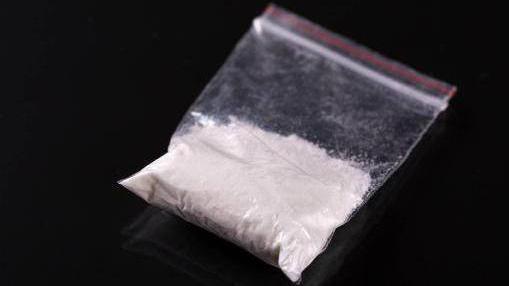
Of the 2,539 positive specimens collected on Irish roadsides across 2025, almost 1,500 tested positive for the presence of cocaine. File picture: iStock
Cocaine was present in 58% of all roadside blood and urine tests containing controlled substances in 2025, a 35% jump from six years ago, according to the Medical Bureau of Road Safety.
Of the 2,539 positive specimens collected on Irish roadsides across 2025, almost 1,500 tested positive for the presence of cocaine. The average concentration was 115.6ng/ml, some 10 times higher than the 10ng/ml limit established in the Road Traffic Act 2016.
The presence of cannabis in positive samples dropped from 66% in 2019 to 55% in 2019. There were 547 cases where traces of cannabis and cocaine were found in blood and urine samples.
“The frequent finding of combinations of drugs and drugs with alcohol remains of enormous concern,” said Professor Denis Cusack, director of the National Bureau of Road Safety.
“The types of drugs being used by drivers are constantly changing, reflecting the patterns of drug use more widely in society.”
Amphetamines/methamphetamines were present in 8% of all positive drug tests in 2025. Testing for the substances first began in 2022, when they were recorded in just 3% of all positive drug tests.
The overwhelming majority of samples taken were from men (85%). The youngest arrested driver was 14 years old, and the oldest was 95 years old.
Alcohol continues to be the single biggest intoxicant found in offending drivers, with over 6,000 samples taken in 2025. The median alcohol level in blood in 2025 was 157mg/100ml.
“These figures have sadly changed very little over the past decades, with more than 68% of drivers with alcohol confirmed in 2025 having a level in excess of 100mg/100 ml of blood,” Mr Cusack said.
“Alcohol intoxicated driving thus remains a very large and significant danger on Irish roads with so many drivers driving when several times over the legal limits for the different categories of driver."
There was a strong record of repeat offenders for intoxicated driving; 237 drivers were arrested twice for intoxicated driving, and 40 were arrested three or four times. One driver was arrested six times for intoxicated driving.
Following a steadily rising number of road deaths in Ireland since the beginning of the decade, the National Bureau of Road Safety has continually pushed for the introduction of alcohol interlock devices.
The interlock device is a breathalyser that prevents a car's engine from starting if the legal limit is exceeded.
“Their expanded use would be one of the most significant and transformational developments in road safety in decades when rolled out on a statutory basis, recognising that in the region of 30% of road traffic crashes have alcohol presence as a contributory or associated factor,” Mr Cusack said.
The report said five interlock systems have been approved by the bureau, with ongoing evaluation and approval of more devices taking place.
Junior road safety minister Sean Canney has previously floated the idea of the interlocks' use in the future, with possible pilots being rolled out for repeat offenders or large fleets on a voluntary basis.

CONNECT WITH US TODAY



Be the first to know the latest news and updates