State fails in bid to increase one-year suspended sentence handed down to Cork driver who hit girl, 11
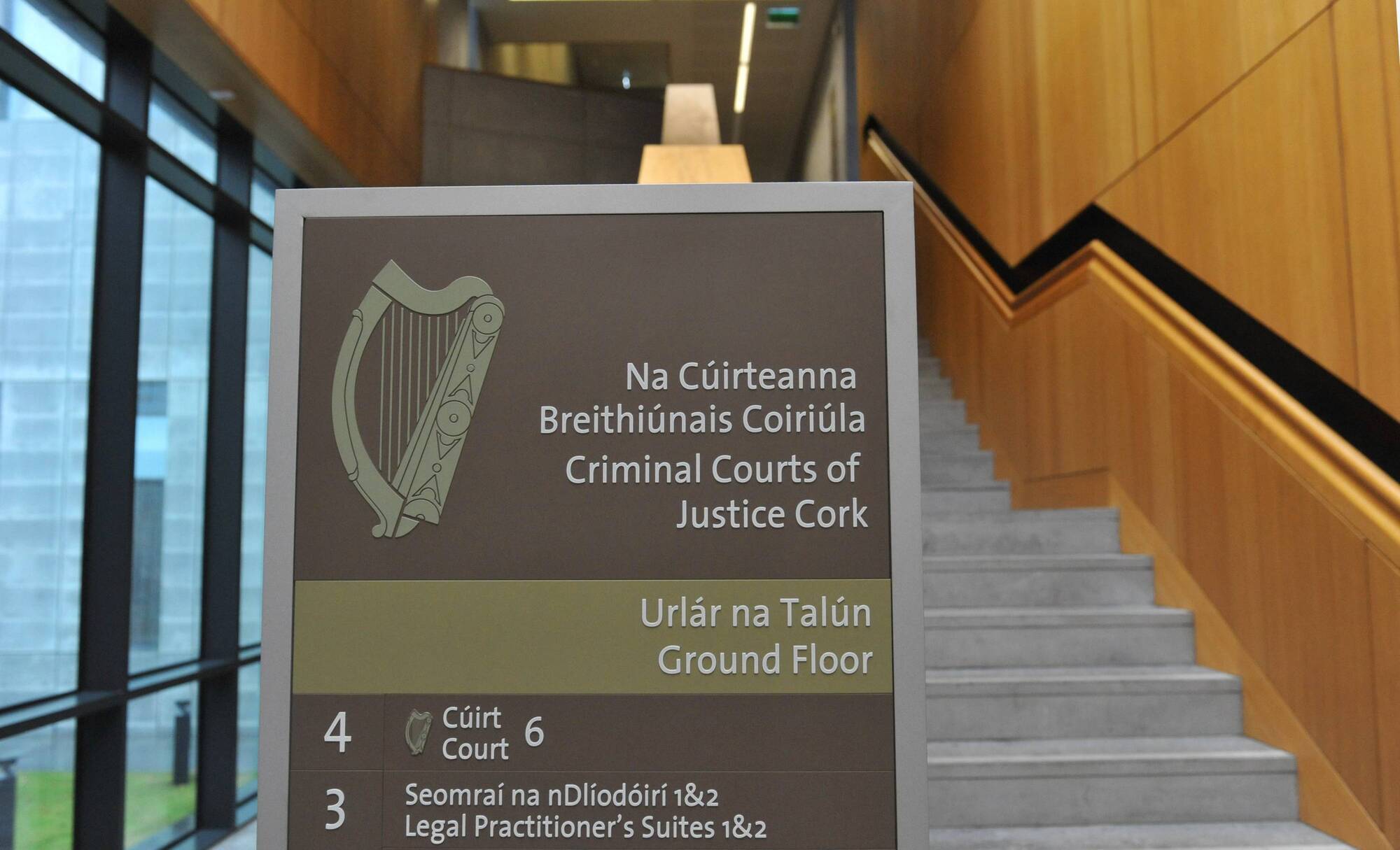
On February 14, 2024, Kieran Crowley, aged 57, pleaded guilty at Cork Circuit Criminal Court to a charge of careless driving causing serious bodily harm. File picture: Larry Cummins
The State has failed in a bid to increase the one-year suspended sentence handed down to a hackney driver, who also escaped a driving ban after he knocked down and seriously injured an 11-year-old girl as he ran a red light on a pedestrian crossing in Cork.
On February 14, 2024, Kieran Crowley, aged 57, pleaded guilty at Cork Circuit Criminal Court to a charge of careless driving causing serious bodily harm. On the date that the case was finalised, Mr Crowley produced evidence that he had passed an advanced driver's course and offered an apology to the victim.
Crowley, of Post Office Rd, Ringaskiddy, was charged that on April 13, 2022 at Lower Kilmoney Rd, Carrigaline, Co Cork, he drove his vehicle without due care and attention, thereby causing serious bodily harm to another person.
Passing sentence in February 2025, Judge Dermot Sheehan said that in light of Crowley's good driving history and the fact that he took an advanced driving test after the incident, he would not impose any driving disqualification.
“Even though the incident was fairly bad, he had many years of good driving and passed the advanced course of driving [afterwards],” Judge Sheehan said.
The court had heard that the victim was walking home from the post office in Carrigaline when she crossed the road at a pedestrian crossing after the green man lit up in her favour. Meanwhile, Mr Crowley had taken a right-hand turn in his vehicle and proceeded onto the road that the girl was crossing.
The court heard that the respondent did not slow down as he approached the pedestrian crossing and drove straight through the red light. The front driver's side of his vehicle struck the child, who was knocked down.
The child suffered a right tibial shaft and right fibula fracture from the collision. She underwent surgery to fit plates and screws to the tibial shaft fracture in her leg.
The court was told there was no suggestion that Crowley was under the influence of any intoxicant, speeding, or using his mobile phone at the time.
At the Court of Appeal on Friday, Katherine McGillicuddy, for the DPP, said the respondent was a professional driver who was travelling in broad-daylight on a main street with which he was very familiar when he knocked down the 11-year-old girl, who was properly crossing the road at the pedestrian crossing.
The State based the undue leniency appeal on a number of grounds, including that the reduction from the headline sentence to a fully suspended sentence, together with no ancillary disqualification from driving, was too great.
It was also the State's case that insufficient weight was applied to the aggravating factors in the case and that excessive weight was placed on the guilty plea and the advanced driving course undertaken by the respondent.
Counsel said that when the sentencing judge heard evidence in October 2024, he took a dim view of Mr Crowley's driving and located it at the high end of the range of careless driving cases.
However, the barrister said when the matter was listed for finalisation in February 2025, the judge took a different view and found that the case fell into the upper end of medium cases of careless driving.
Ms McGillicuddy submitted it was difficult to understand the judge's rationale for "the charge of approach". She said the initial view of the headline range for the case was correct and ought not to have changed.
The lawyer said there was also no disqualification from driving, which was "a departure from the norm" and the harm done.
In response, Alan O’Dwyer, defending, told the three-judge court that it didn't appear the appellant was taking issue with the length of the sentence but with the process the judge took in getting there.
The lawyer said the ultimate sentence of 12 months' imprisonment, suspended for a period of 12 months, and a fine of €4,000 had not reached the threshold for undue leniency. "I say it could be viewed as lenient but not unduly lenient."
Mr O'Dwyer further submitted that the sentencing judge settled upon a sentence which was proportionate and satisfied the principle of totality, having regard to all of the circumstances in the case.
Finally, counsel said the judge had arrived at a sentence which was not a substantial departure from the norm and ought not to be disturbed.
Delivering the court's judgment refusing the appeal, Ms Justice Isobel Kennedy said the three-judge panel had watched the CCTV footage, where the respondent had not slowed down on approaching the turn when his view was impaired and ought to have done so.
Having considered the submissions, the judge said the Court of Appeal was not persuaded that the DPP had passed the necessary threshold for undue leniency and dismissed the appeal.


CONNECT WITH US TODAY



Be the first to know the latest news and updates