Farmer 'did not realise he was badly burnt' by smouldering stick, coroner told
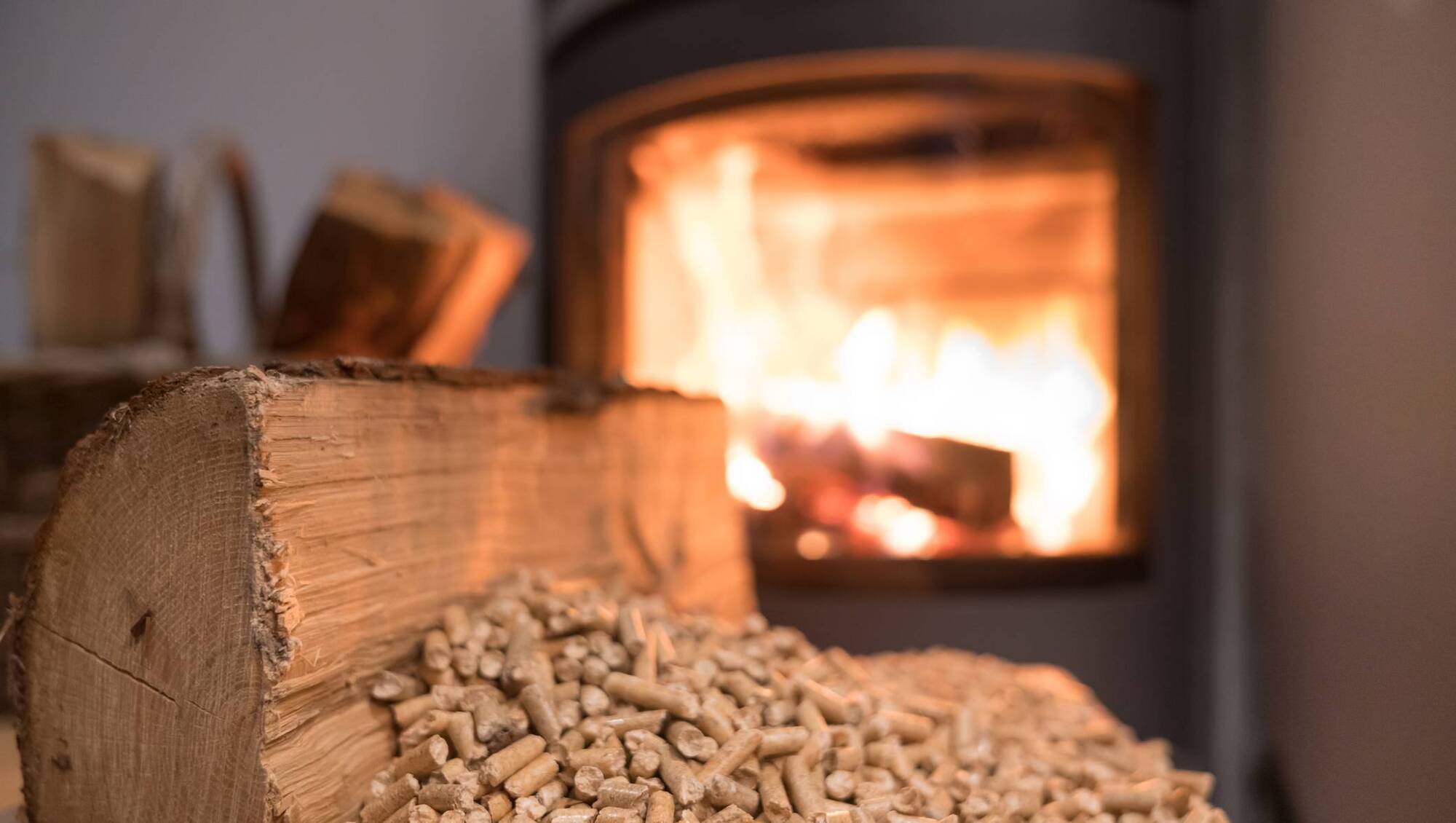
Mr Ellis said a stick that seemed to have fallen out of a door at the front of the stove was still smouldering on the floor. Picture: iStock
A coroner has warned that people may not realise the severity of burn injuries in some cases after hearing about the death of an elderly farmer who died after a stick fell out of a wood-burning stove in his home.
Patrick Lynch, aged 79, a retired farmer of Cormore, Arva, Co Cavan, died as a result of complications of burn injuries at St James’s Hospital, Dublin, on August 29, 2023.
A sitting of Dublin District Coroner’s Court heard a neighbour had discovered a smouldering stick in a smoke-filled room when he called to see the deceased around 1.15pm on August 26, 2023.
Ciaran Ellis told the inquest that he rang an ambulance after discovering his neighbour lying crossways on a bed with his feet “red with burns”. Mr Ellis said a stick that seemed to have fallen out of a door at the front of the stove was still smouldering on the floor.
He said his neighbour's pyjamas and part of a chair were also burnt, although there was no evidence of a large fire of any type. When asked how he felt, Mr Lynch had replied that he was not in any pain.
“He did not realise he was badly burnt,” said Mr Ellis.
He said the deceased only complained about feeling a little bit of pain a few hours later just before an ambulance arrived at around 4.30pm.
The coroner, Cróna Gallagher, said some people with burn injuries did not appreciate the severity of their burns, as they did not feel any pain because the injuries were so bad that nerve endings in their body had been damaged.
“People with less severe burn injuries may feel far worse pain,” said Dr Gallagher.
She observed that people with severe burn injuries might not seek the urgent treatment that they needed due to the misconception that the lack of pain indicated they were not badly hurt.
“It’s a common issue that the part that is burnt can just look red, which means people think it might not be serious,” said Dr Gallagher.
Mr Ellis said he would check on his neighbour two to three times per day. He said the deceased had moved his bedroom downstairs to the living room a few years previously because of his mobility issues.
Mr Ellis also said his neighbour used the stove as his main source of heating, adding that he would be in the habit of packing it with wood.
The deceased’s brother, Jimmy Lynch, who gave evidence of formally identifying his brother’s body to gardaí at St James’s Hospital, said his brother had lived alone for over 25 years.
Mr Lynch said he was never aware of any problem that his brother, who was a non-smoker, had with the stove.
Sergeant Cathal Buggy gave evidence of examining the scene of the fatal incident and being satisfied that there was nothing suspicious about what happened, or nothing defective with the stove.
Paramedic Billy Bushnell said the initial triaging from the call for assistance had assessed Mr Lynch as a “low priority” case.
Mr Bushnell said the injured man was chatty and responsive to paramedics after the ambulance arrived at his house at 4.28pm.
He said Mr Lynch had some third-degree burns and massive blistering on his legs, although he had said the pain was “not too bad".
Mr Bushnell said he advised his controllers that the patient should be brought to St James’s Hospital, where the National Burns Unit is based, but was instructed to take him to Cavan General Hospital.
He said he phoned ahead to the hospital in Cavan to have a resuscitation team on standby, but none was in place by the time they arrived. The inquest heard Mr Lynch was transferred to St James’s Hospital the following morning.
Medical records showed he suffered approximately burns to 30% of his body, which mostly related to his lower limbs.
Doctors in St James’s assessed him as requiring immediate surgery for full thickness burns as it was a life-threatening situation.
However, they subsequently assessed that he would not survive further surgery and his treatment was switched to palliative care.
Dr Gallagher observed that it was not clear if it would have made any difference if Mr Lynch had received treatment sooner, although she believed it was “unlikely".
The results of an autopsy showed he had died as a result of complications of burns from material from a wood-burning stove, with heart disease as a contributory factor.
Offering her sympathy to Mr Lynch’s relatives, the coroner recorded a verdict of accidental death.


CONNECT WITH US TODAY



Be the first to know the latest news and updates