Hate crimes recorded by gardaí rose by 4% in 2024
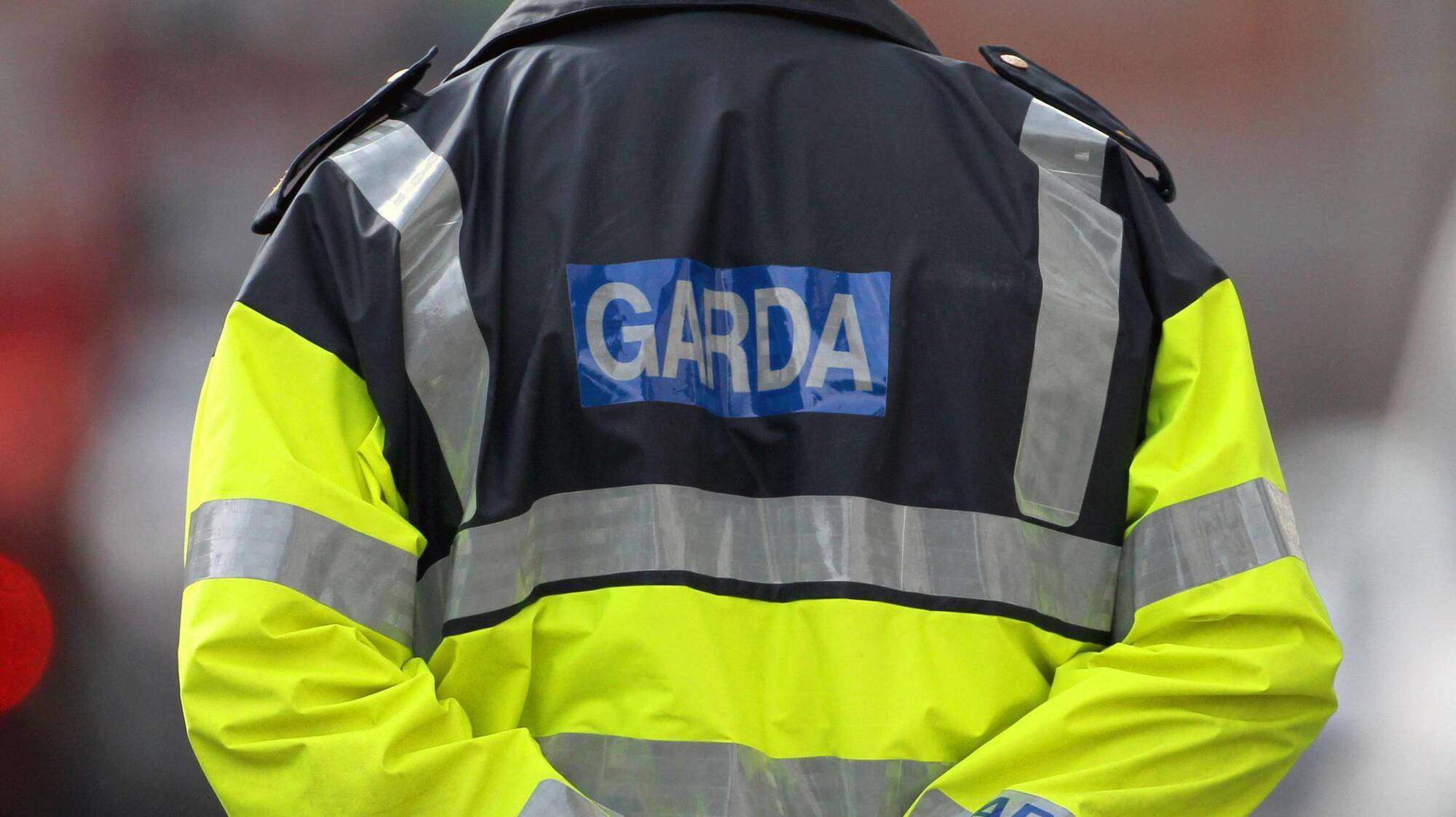
One example of a recorded hate crime saw gardaí attend a supermarket in Dublin following the activation of a panic alarm.
The number of hate crimes recorded in Ireland rose in 2024.
Figures published on Tuesday by An Garda Siochána showed that a total of 676 hate crimes and hate-related incidents were recorded — up from 651 in 2023, a rise of 4% year on year.
Of the 676, there were 592 hate crimes and 84 hate-related crimes recorded in 2024 —compared to 548 in 2023.
A hate crime, according to An Garda Síochána, is any criminal offence which is perceived by the victim or any other person to be motivated by hostility or prejudice, based on actual or perceived age, disability, race, colour, nationality, ethnicity, religion, sexual orientation, or gender.
Anti-race has remained the most prevalent discriminatory motive for hate crimes, representing 39% of all motives. That is also an increase from 36% in 2023.
In 2024, anti-nationality increased to a quarter of all motives compared to 18% in 2023.
Garda analytics showed that murder, threats to kill, or threats to cause serious harm featured higher than 2023 with 27 incidents, 5%, of all hate crime incidents.
As was the case in the previous three years, just under half of all hate-related incidents occurred in the Dublin metropolitan region. However, there has been a year-on-year reduction.
Garda Chief Superintendent Padraic Jones said that the force recognised that hate-related crime is still “underreported in Ireland”.
He added: "When a person or group is targeted because of a fundamental characteristic, it is a stain on all of society.
"Incidents of this nature are not, and never will be, acceptable.
"I really encourage anyone that has experienced an incident of crime which has been motivated by hate to please come forward and report your experience. I assure you that we will support you in any way that we can.”
At present there are over 500 diversity officers working across the country who engage with minority communities and individuals daily, according to gardaí.
One example of a recorded hate crime saw gardaí attend a supermarket in Dublin following the activation of a panic alarm.
A man, aged in his 40s, had refused to leave the premises after a security guard had informed him that he was barred from the store.
The man used racially charged language and spat at the security guard. The suspect was arrested at the scene.
In another incident, a man in his 30s got out of a taxi in Cork City without paying for his fare. The following day, the man hailed another taxi in the city without realising that he had hailed the same driver that he had evaded paying the previous night.
When the driver asked if the man could cover last night's fare, the man racially abused the driver and threw a can at the car as it drove off. The man was later charged by gardaí and was sentenced to two months imprisonment.
Another incident saw gardaí on patrol witness a man harassing a member of staff at a fast food outlet.
The man, aged in his 20s, reached across the counter and slapped the staff member across the face. The staff member also reported to gardaí that the man had made racist remarks. He was convicted and fined €400.
CONNECT WITH US TODAY



Be the first to know the latest news and updates