Jury rejects James Kilroy's insanity claim to find him guilty of murdering his wife
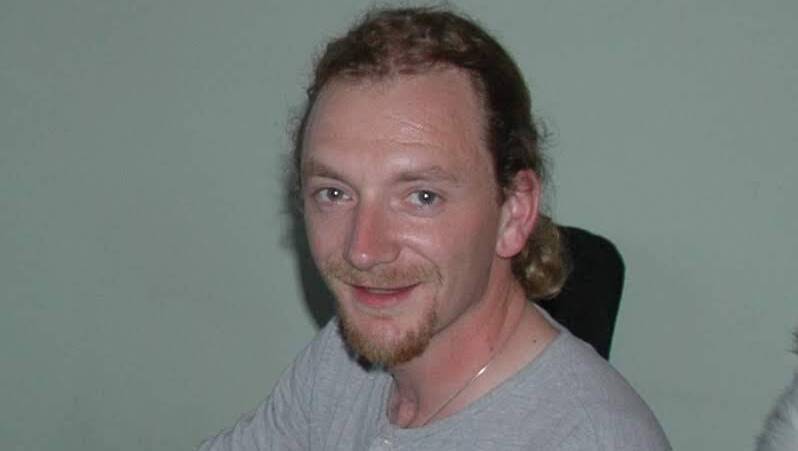
Kilroy murdered his wife at their home in Kilbree Lower, Westport, Co Mayo, between June 13 and June 14, 2019.
A jury has unanimously convicted Valerie French Kilroy's husband of her murder, rejecting his claim that he was insane when he beat, stabbed and strangled her to death, in what was his third trial since 2021.
During James Kilroy's latest trial, psychiatrists had disagreed as to whether cannabis-induced psychosis is a mental disorder that can be used as a defence under the Criminal Law (Insanity) Act, despite recent murder trials in which such a defence was successfully employed.
Following Friday's verdict, Mr Justice Tony Hunt, who presided in the trial, said he believes Professor Harry Kennedy's interpretation that cannabis-induced psychosis is not an available defence is "entirely in line with what I perceive as the policy of the legislation." The jury's verdict, he said, was "the correct result on the evidence in the case... Self-induced scenarios are not defences."
Mr Justice Hunt added: "It could be that the legislature might consider making that a little more plain in the wording [of the act] but I think it is tolerably clear enough."
The eight women and four men at the Central Criminal Court took about two hours to reject James Kilroy's defence that he should be found not guilty by reason of insanity due to a cannabis-induced psychosis or a form of acute and transient psychotic disorder.
Members of victim Valerie French Kilroy's family, who have attended every day of the three trials, cried and thanked the jury when the verdict was revealed. The two previous trials collapsed due to unforeseen difficulties that arose during the course of the evidence.
Kilroy will be sentenced to the mandatory term of life imprisonment next Monday when members of Ms French Kilroy's family will be invited to address the court.
Before she was murdered, Ms French Kilroy had been enjoying a night out with friends. When she arrived home, Kilroy set upon her with a knife and beat and strangled her.
Kilroy was found by gardaí some hours later wandering naked in a nearby field. He told gardaí and psychiatrists of various delusional beliefs including that his wife was a "zombie" or that she was working with Donald Trump's bodyguards to capture, torture and kill him.
Professor Harry Kennedy, a consultant psychiatrist called by the prosecution, said the delusions and hallucinations described by Kilroy were not symptoms of a schizophrenia-type illness.
Professor Kennedy told the trial that he did not agree with psychiatrists called by the defence who had diagnosed Kilroy with psychotic disorders that they said deprived him of the ability to understand that killing his wife was wrong.
Professor Kennedy also disagreed that Kilroy was unable to refrain from killing his wife. The professor found that Kilroy was most likely suffering from the effects of cannabis intoxication or withdrawal.
He found evidence that Kilroy did understand that killing his wife was wrong and that he was able to refrain from killing her. The prosecution noted that Kilroy told gardaí that as he was killing his wife: "I knew I had fucked up."
In her closing speech to the jury, prosecution counsel Anne-Marie Lawlor SC asked the jury how that statement could fit with the finding that Kilroy didn't know that killing his wife was wrong.
Professor Kennedy also disagreed with defence psychiatrist Dr Ronan Mullaney who said that cannabis-induced psychosis is a mental disorder that can be used as a defence under the Criminal Law (Insanity) Act. Professor Kennedy said the Act does not allow intoxication as a defence and defines intoxication as "being under the intoxicating influence" of drugs or alcohol.
Despite recent trials in which drug-induced psychosis has successfully been used as a defence to murder, Professor Kennedy said the disorder is a direct consequence of drug use, is not separate to intoxication and cannot be used as a defence.
Following Friday's verdict Mr Justice Tony Hunt, who presided in the trial, said he believes that Professor Kennedy's interpretation is "entirely in line with what I perceive as the policy of the legislation."
The jury's verdict, he said, was "the correct result on the evidence in the case... Self induced scenarios are not defences."
Mr Justice Hunt added: "It could be that the legislature might consider making that a little more plain in the wording [of the act] but I think it is tolerably clear enough."
Mr Kilroy (51) murdered his wife at their home in Kilbree Lower, Westport, Co Mayo, between June 13 and June 14, 2019.


CONNECT WITH US TODAY



Be the first to know the latest news and updates