‘Detailed evidential basis’ that Stardust fire started in a hot press
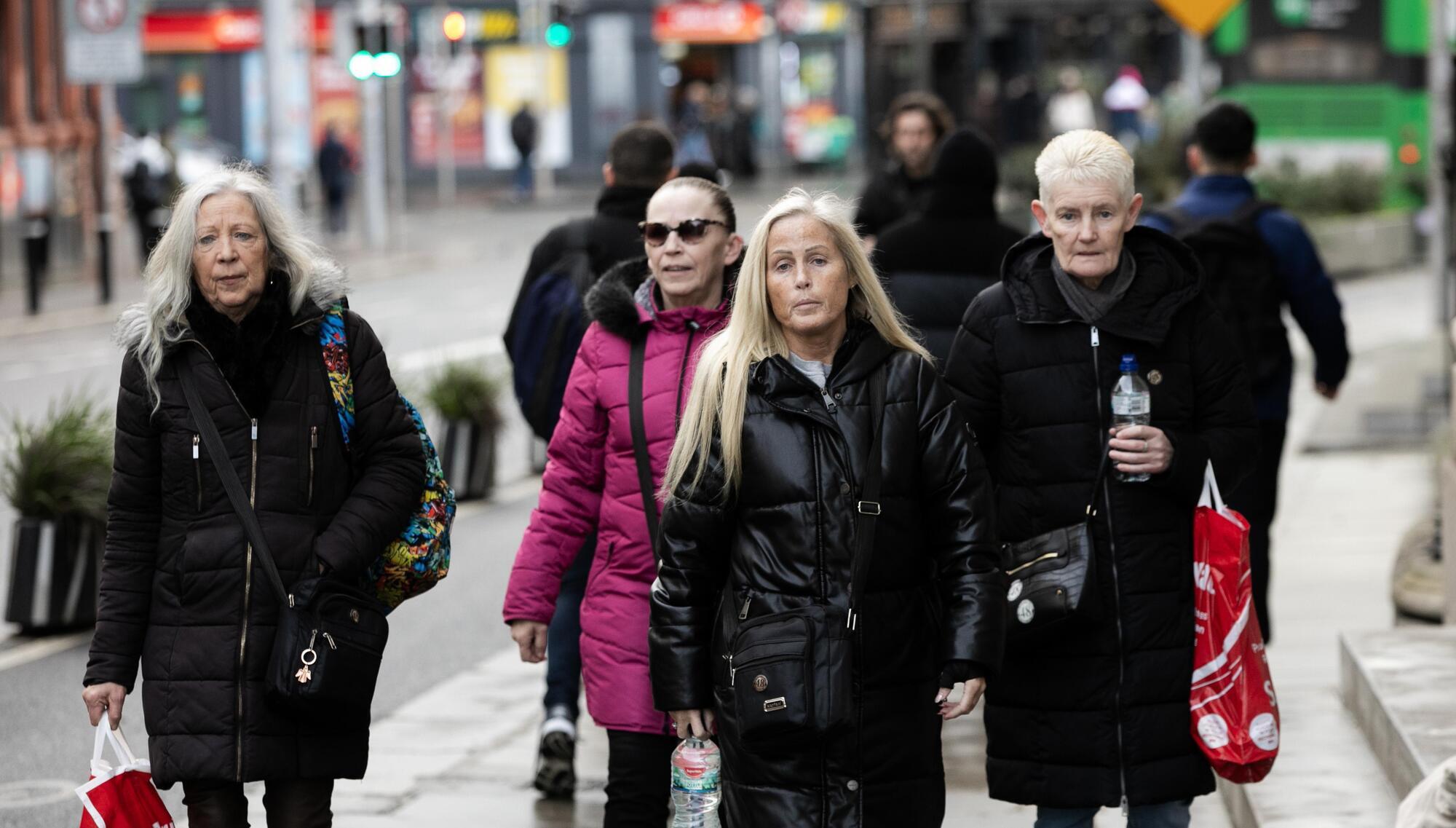
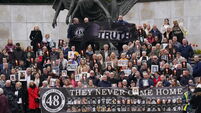
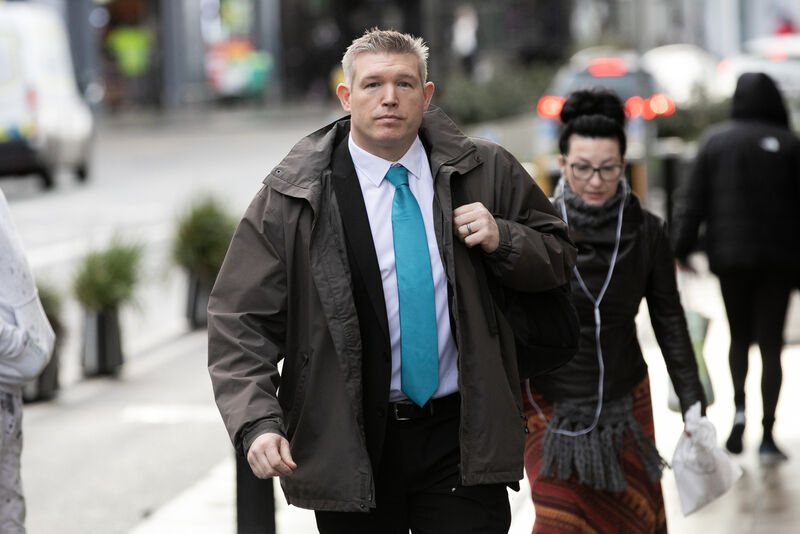
Antonette Keegan, Lorraine Keegan, Suzanne Keegan, and Deirdre Dames arriving at the Coroners Court inquest into the Stardust tragedy taking place at the Rotunda Hospital, Dublin. Pictures: Gareth Chaney/Collins
There is no evidence that arson was the cause of the fire in the Stardust club that killed 48 people, but there is a “detailed evidential basis” for it starting in a hot press before quickly spreading further, fresh inquests have heard.
Dr Will Hutchinson, from the fire engineering consultancy Jensen Hughes, agreed with Sean Guerin SC on Thursday that there was “absolutely no evidence” that anyone in the Stardust deliberately set a fire in the area where a fire was first spotted inside the ballroom on the night.
He told the 13-person jury that no accelerant was found in this west alcove area, tiered rows of seating that were separated from the main ballroom by a set of blinds on the night, when it was examined in the aftermath of the fire.
Dr Hutchinson was in the witness box for a fourth day at the Pillar Room on the grounds of Dublin’s Rotunda Hospital. His evidence is crucial as a key part of the direction given to coroner Dr Myra Cullinane in holding fresh inquests for the 48 victims of the Stardust fire was that there was an “insufficiency of inquiry” as to how their deaths occurred.
In her scope for the inquests, Dr Cullinane said that there was “no doubt” that where and how the fire started in the north Dublin ballroom in the early hours of February 14, 1981, needed to be re-investigated at the inquests.
Dr Hutchinson has previously said he couldn’t say with certainty where the fire began but it was most likely that it started either in the hot press of the main bar or the adjacent west alcove area where the fire was first spotted.
He has said that a fire starting in the roof space of the Stardust was unlikely but was pressed on this by Mr Guerin, representing some of the families of the deceased at the inquests.
Mr Guerin put to him the evidence of witnesses who were not in the Stardust that night, but lived in the local area and said they observed a fire atop the Stardust. Some of these witnesses reported seeing the fire at a time before witnesses who were actually inside the Stardust first said they saw a fire in the west alcove area, which was closed off to the public on the evening.
One witness, named Alan Buffini, was at home listening to music and recalled hearing “popping” and “crackling” noises at around 1.38am. He went outside and saw “flames shooting up” from the roof of the Stardust. The inquest has heard that the asbestos cement tiles on the roof would make such popping noises when burning.
However, the first call to Dublin Fire Brigade was not made until 1.43am inside the Stardust at which time many people had observed fire on a row of seats in the west alcove.
Mr Guerin put it to Mr Hutchinson that there was a strong basis in the evidence that could explain how the fire started in the hot press of the main bar, it then being observed by those outside the Stardust as it moved through the roof space and then being seen “very shortly after” that in the west alcove as dripping molten materials. The fire expert agreed with this assertion.
The inquests continue on Monday afternoon.

CONNECT WITH US TODAY



Be the first to know the latest news and updates