Dubai pair accused of refusing covid quarantine may try to halt prosecutions in Supreme Court
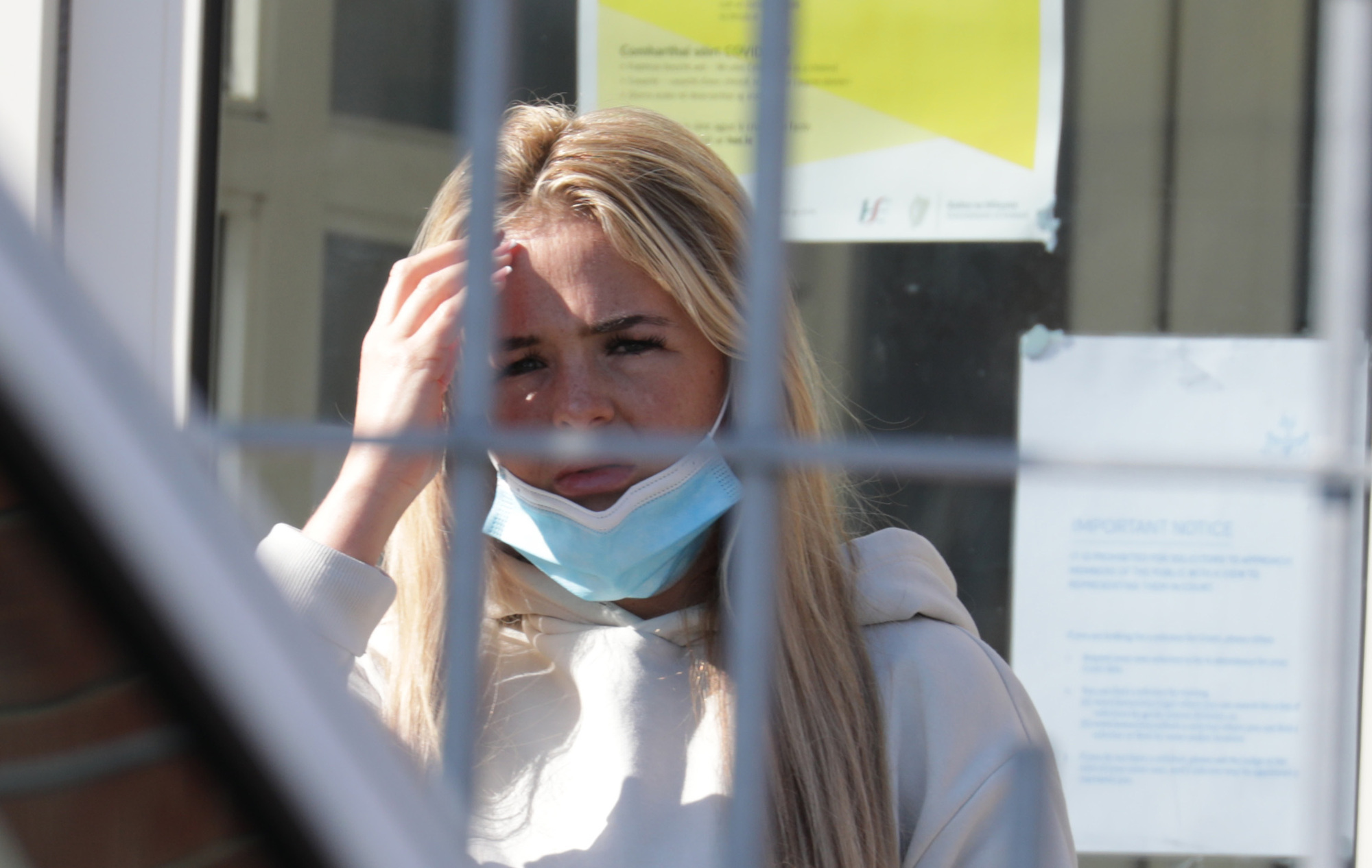
Kirstie McGrath (pictured) wants her prosecution for breaches of the Health Act halted. File picture: Paddy Cummins/IrishPhotodesk.ie
Two Dublin women are to appeal the High Court's dismissal of their action aimed at halting their prosecution for allegedly refusing to quarantine at a hotel during the covid-19 pandemic in 2021 following their return to Ireland from a holiday in Dubai.
In a recently published judgment, Ms Justice Marguerite Bolger dismissed judicial review proceedings brought by Niamh Mulreany (27) and Kirstie McGrath (32) seeking to halt their proposed prosecution before the District Court for alleged breaches of measures introduced during the covid-19 pandemic.
It is understood that the two are to appeal that decision and may seek a "leapfrog" appeal directly to the Supreme Court, rather than the Court of Appeal.
The two were arrested at Dublin Airport on Good Friday April 2, 2021, on their return from the UAE, where they originally intended but did not undergo cosmetic surgery.
On their arrival back to Ireland they and most other passengers travelling to Ireland from certain designated countries, which at the time included the UAE, were required to undergo mandatory quarantine at a hotel for up to 14 days.
The measures which have since been discontinued, were brought in to help prevent the spread of the virus. Both women refused to go to the hotel claiming that they could not afford the cost of the stay, which was estimated at over €1800 each, and because they needed to get back to their children.
They claimed they had only had child-minding arrangements in place for the time they were in Dubai. Arising out of their refusal both have been charged with breaches of the 1947 Health Act, and if convicted face fines of up to €2,000 and a period of several months' imprisonment.
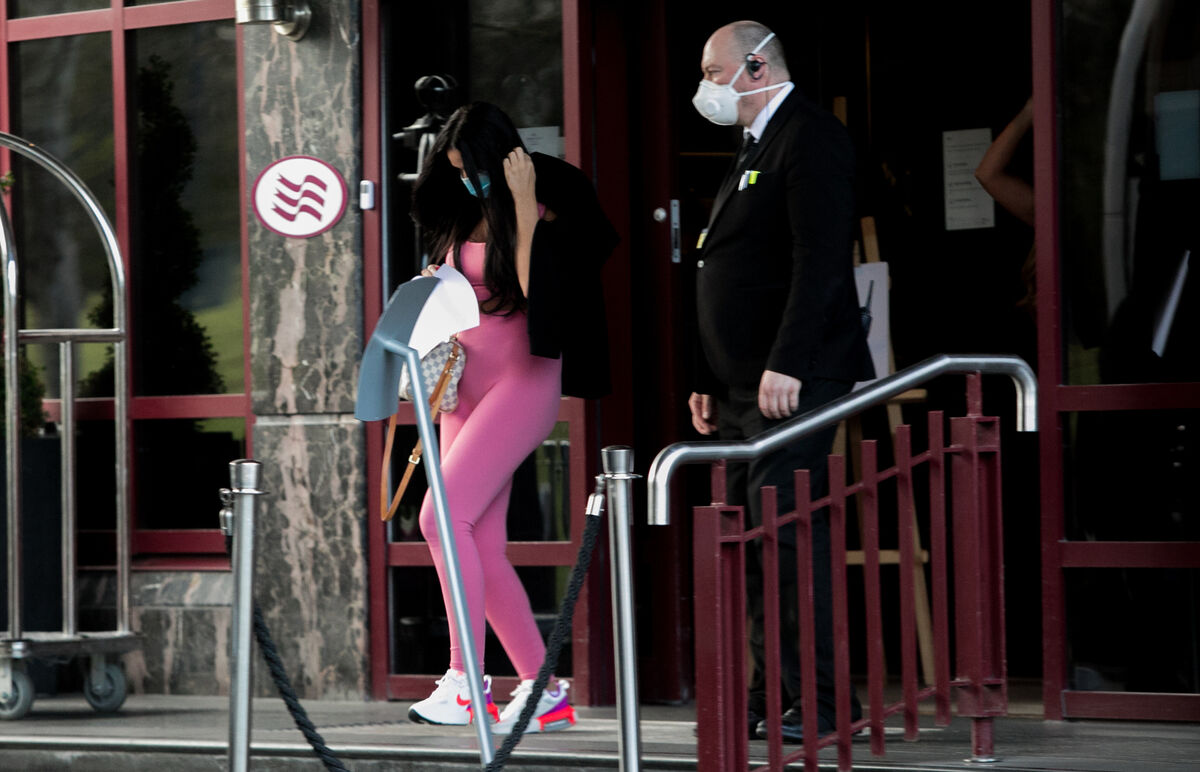
They claim that the charges against them are unconstitutional and that their trials should be halted. Their action was against the DPP, the Minister for Foreign Affairs, The Minister for Health, Ireland and the Attorney General.
They were represented by Michael O'Higgins SC, Keith Spencer Bl and Mark Lynam Bl. The State respondents, represented by Catherine Donnelly SC, and Michael Cush SC, with Emile Burke-Murphy Bl and Kate Egan Bl for the DPP, opposed the action.
In their proceedings, they had argued that the Minister for Health's designation of certain states, as places from where persons who travel to Ireland from had to undergo mandatory periods of quarantine, breached the separation of powers, the principle of law and was unconstitutional.
It was claimed that such a measure should have been introduced by way of legislation through a statutory instrument and not by way of a Ministerial order.
The second legal issue concerned what he described as the lack of a legally permissible appeals process for those who were undergoing the mandatory quarantine. Under the measures, a designated appeals officer could entertain an appeal from somebody who was detained in the quarantine facility.
However, the measures under the 1947 Act conferred what counsel said was a judicial power on what was a non-judicial body, which amounts to a breach of Article 37 of the Irish Constitution.
In her decision, Ms Justice Bolger said that the measures clearly provided for the designation of states for mandatory quarantine to be done by way of a decision made by the Minister for Health. This power was not intended to be done by regulations, the judge added.
The Oireachtas determined that it was in the public interest for the minister to be able to designate persons coming into the country from a particular state for mandatory hotel quarantine.
Not only did the Oireachtas apply its scrutiny to the power of designation, but it has added an "additional layer of scrutiny" by imposing a sunset clause, the judge added. This clause meant the entire system of mandatory hotel quarantine had to return before the Oireachtas after a lapse of three months.
The judge also rejected claims that the appeal process was unconstitutional or that Article 37 of the Constitution had been breached.
In their actions, they had sought various orders including one halting their prosecutions, and a declaration that the offence of resisting being taken to a designated quarantine facility is invalid.
In late March 2021, the two friends went on holiday to Dubai to celebrate "landmark birthdays" that had been paid for by their relatives and friends. Initially they had intended to undergo cosmetic surgery procedures in the UAE, but ultimately did not go through with the planned procedures.
Ms McGrath of St Anthony's Road, Rialto, Dublin 7, and Ms Mulreany of Scarlett Row, Essex Street West, Dublin 2, are lone parents and their children were being cared for by their relatives while they were on holiday.
After they left Ireland, the State introduced covid-19 quarantine requirements which stipulated that most persons arriving from certain states, including the UAE, would have to quarantine at designated hotels for up to 14 days.
Despite testing negative for the virus when they returned to Ireland, they refused to get on a bus taking them to a designated hotel to quarantine. Both women were arrested and charged with breaching Section 38 of the Health (Amendment) Act 2021 due to their refusal to go the designated hotel.
They were granted bail by the District Court the day after their arrest but were unable to take it up because they could not afford it. They were detained at Mountjoy women's prison.
They were released from prison and were taken to another hotel where they remained in quarantine for several more days. At the hotel they engaged in the state's appeal process during their detention. However, their appeal process was refused.
CONNECT WITH US TODAY



Be the first to know the latest news and updates