Court approves €92k settlement in first of a number of cases against South Kerry Camhs
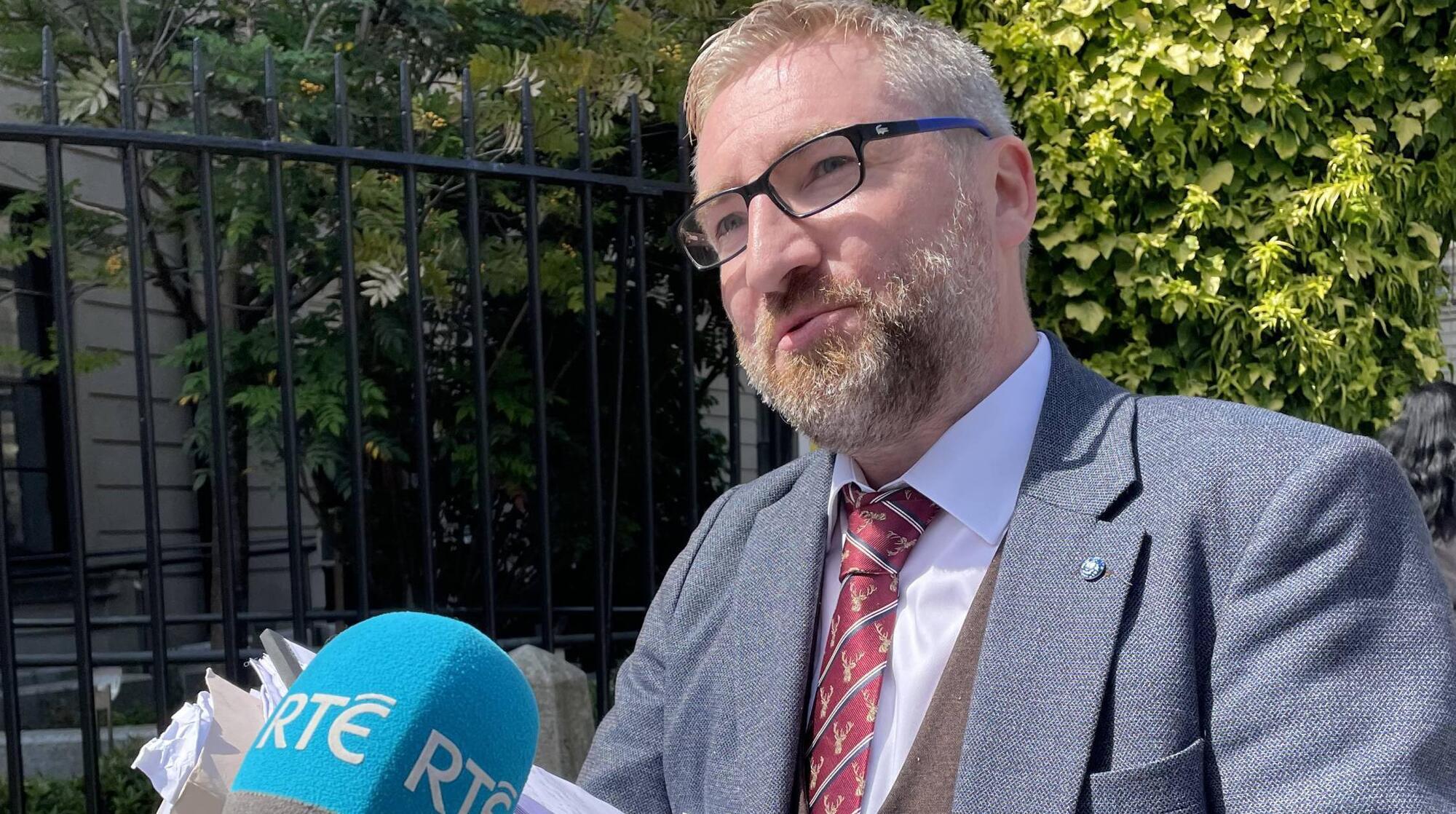
Outside the Four Courts, the teenager’s solicitor, Dan O'Connor, called for a public inquiry into “all matters affecting the Camhs situation in Kerry and beyond.”
A 15-year-old boy affected by the care he received at South Kerry Child and Adolescent Mental Health Services (Camhs) has had a settlement of €92,500 approved by the High Court.
This is the first case brought before the High Court in relation to care offered by South Kerry Child and Adolescent Mental Health Services.
It is understood a number of other cases involving children under 18 years of age will be brought before the High Court in the coming months for approval of settlements reached after mediation under the State compensation scheme which was set up last year after the controversy over the care provided at South Kerry Camhs was revealed.
Outside the Four Courts, the teenager’s solicitor, Dan O'Connor, called for a public inquiry into “all matters affecting the Camhs situation in Kerry and beyond”. Such an inquiry, he said “should be without restrictions as to timelines or geography”.
He added: “This cannot be the end however. This scheme is only designed for children affected in the south Kerry region.
"Re-review and redress should not be restricted to a geography or timeline.“
He said the family in this case are “happy that this chapter of their lives has now ended. They’re happy with the mediation scheme and the way it worked.” The mother of the boy in this case sent apologies to the court that she could not be present for the ruling of the settlement before Mr Justice Paul Coffey as her son needs constant care.
Counsel David Sutton SC told the High Court a non-statutory compensation scheme had been set up for those affected by care received at South Kerry Camhs and the boy had been identified as a person affected by the “malpractice”. He said it was very hard to value the case but the settlement was for €87,500 and €10,000 had already been paid out to the family along with a further €5,000 to cover expenses.
Approving the settlement, Mr Justice Paul Coffey said it was a novel application.
In the proceedings against the HSE, it was claimed in 2013 the boy became a patient at South Kerry Camhs. It was claimed that owing to treatment he was afforded while he was a patient with Camhs, and owing to the manner in which medication was prescribed and an alleged failure to adequately monitor the effects of the prescribed mediation, he suffered personal injuries.
He had been referred due to behavioural difficulties which had got worse since he started national school. An initial assessment was carried out in early 2014. The Camhs assessment ruled out ADHD.
He was diagnosed as having attachment disorder with behavioural difficulties and a SNA was recommended for school. Three years later it was claimed that in a private assessment he was diagnosed as having ADHD with features of ASD and he was started on the medication Ritalin.
He was referred to Camhs due to significant behavioural difficulties at school in December 2017. He was seen by a doctor, it was claimed, and the Ritalin was discontinued. He was started on another drug which, it is claimed, is intended as a second line treatment for ADHD.
It was claimed that while he was under the care of that doctor, therapeutic input was limited to the prescribing of medication and with alleged inadequate monitoring of the medication's side-effects or therapeutic effect.
It was claimed that over a period of 16 months, the dosage of the new drug was increased to 5 mg daily which, it was claimed, is in excess of the recommended daily dose. It was claimed there was no clear rationale for this increased dosage recorded in the clinical file.
Treatment with other medications was begun in January 2018 and over a period of two years was increased. Treatment with another medication was started in April 2019 and increased in 2020.
The mother, it is claimed, did not believe the medication was having a beneficial effect and the child, it was reported, became more aggressive and began to lash out physically.
In January this year, a consultant child psychiatrist who examined the teenager said there was a significant delay in the diagnosis of ADHD being made.
Last year, a lookback review of the care of 1,300 young people who attended the HSE-run South Kerry Child and Adolescent Mental Health Service (Camhs) over a four-year period took place.
It described the treatment that hundreds of children received from a doctor working in mental health in South Kerry as “risky” and found proof of significant harm to 46 children. The care and treatment of 13 other children by other doctors was also risky. The report found no extreme or catastrophic harm was caused to patients.