Girl with cerebral palsy who sued maternity hospital settles case for €6.5m
All the claims were denied and the hospital contended the conduct of the induction of labour and the delivery were appropriate and consistent with an acceptable standard of care.
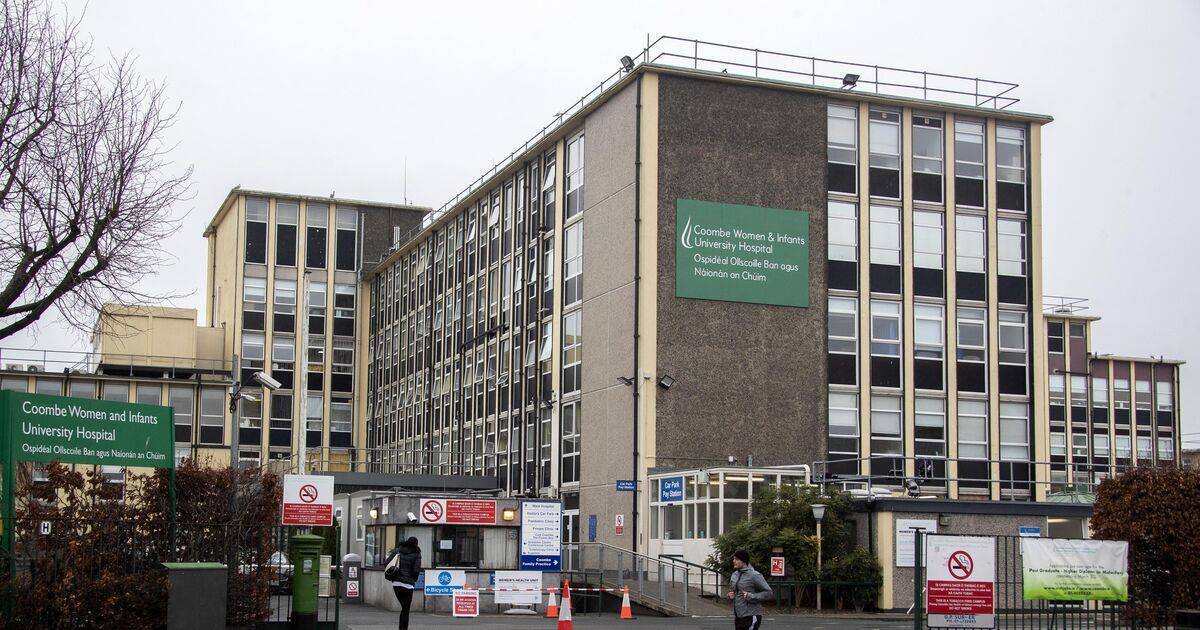
A young girl with cerebral palsy who had sued the Coombe Hospital in Dublin over the circumstances of her birth over 10 years ago has settled her High Court action for €6.5m.
The settlement is without an admission of liability.
The girl cannot be identified by order of the court.
Senior Counsel Liam Reidy SC, with Esther Earley BL, told the court it was their case that there was a protracted labour and Syntocinon was administered and the mother’s contractions were allegedly over agitated.
He said the hospital’s case was that the contractions were not excessive and the baby did not suffer brain damage.
Counsel said the essence of the case was that an MRI brain scan when the child was a toddler aged two and a half years showed what one of the experts on his side said was an insult to the brain. Counsel said it was going to be a challenging case in relation to causation and the €6.5m represented half the full value of the case.
Counsel said it was a good offer which the legal team were recommending.
The girl’s mother told the court she was discharged the day after giving birth, but they later noticed the child did not reach certain milestones such as walking. She said when an MRI confirmed the diagnosis on her daughter it was horrific and it became her mission to look after her daughter.
The girl, through her mother, had sued the Coombe Women and Infants University Hospital, Cork Street, Dublin over the circumstances of her birth over 10 years ago.
It was claimed there was an alleged failure to recognise that the mother was having six contractions in 10 minutes lasting 60 seconds each from the time of artificial rupture of the membranes and an alleged failure to act on this.
All the claims were denied and the hospital contended the conduct of the induction of labour and the delivery were appropriate and consistent with an acceptable standard of care.
Approving the settlement, Mr Justice Paul Coffey was it was a very tragic case. He said because of the litigation risk in the case there was no alternative but to accept the settlement offer, which he said was fair and reasonable. He had no hesitation in approving the settlement, he said.
CONNECT WITH US TODAY



Be the first to know the latest news and updates