New law will see communications data retained for national security reasons only
The new regime will dramatically reduce the ability of gardaí to access mobile phone records of suspects.
New law will see communications data retained for national security reasons only

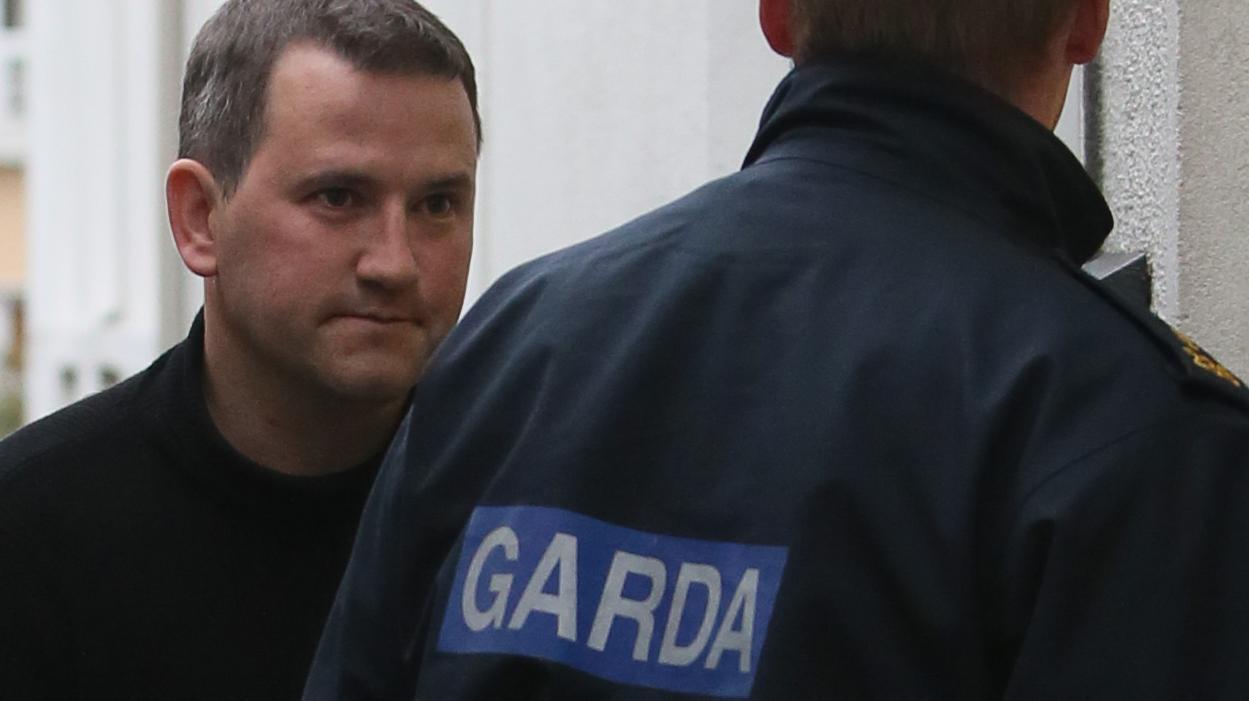
Graham Dwyer, 41, from Foxrock in Dublin, appears at Dun Laoghaire District Court in Dublin charged with the murder of Elaine O'Hara.

The retention of a person's communications data will only be done on national security grounds, under new emergency laws approved by the Government.

Justice Minister Helen McEntee published the general scheme of the legislation on Tuesday evening following the Cabinet meeting.

The legislation is in response to the recent judgment by the European Court of Justice, which slapped down Ireland’s data retention scheme as overly expansive.

This follows the high-profile case brought by murderer Graham Dwyer as part of an appeal against his conviction for the killing of Elaine O’Hara in 2015.

Mobile phone location data was an important part of the State’s case against Mr Dwyer.

Justice Minister Helen McEntee at the EPP Women Congress.

Speaking after a Cabinet meeting, Ms McEntee said it is vital that gardaí do not “have their hands tied behind their backs”. She said there must be safeguards regarding personal data, but that the balance “must not shift too far away from keeping people safe and fighting crime”.

The minister said there is an urgent need to progress the bill.

She said there is a need to provide legal certainty to telecoms companies and State agencies on their obligations.

Dwyer’s full appeal of his conviction is expected to be heard by the Court of Appeal before the end of the year.

Designated judge

Under the Communications (Retention of Data) (Amendment) Bill 2022, “general and indiscriminate retention of communications traffic and location data” will only be allowed on national security grounds and will require approval by a designated High Court judge.

In urgent circumstances and if a judge is not available, general data retention may be approved by a senior Garda or Defence Forces officer. However, these decisions will later be reviewed by a judge to determine if they were appropriate.

Under the system, officials can apply for data to be retained for up to 12 months on specific individuals or groups of people. But companies will not be required to retain data on anyone else outside specific orders.

The new regime will dramatically reduce the ability of gardaí to access mobile phone records of suspects in criminal investigations.

Under the previous system, telecoms companies were required to retain data on all customers for two years.

However, the legislation will also provide for a “quick freeze” system which will allow judges to order a telecommunications company to retain the data of a person once they become suspected of committing a serious offence.

More in this section

Lunchtime News

Newsletter

Keep up with stories of the day with our lunchtime news wrap and important breaking news alerts.

Cookie Policy Privacy Policy Brand Safety FAQ Help Contact Us Terms and Conditions

© Examiner Echo Group Limited