Garda secrecy over national security 'has got to stop', says expert
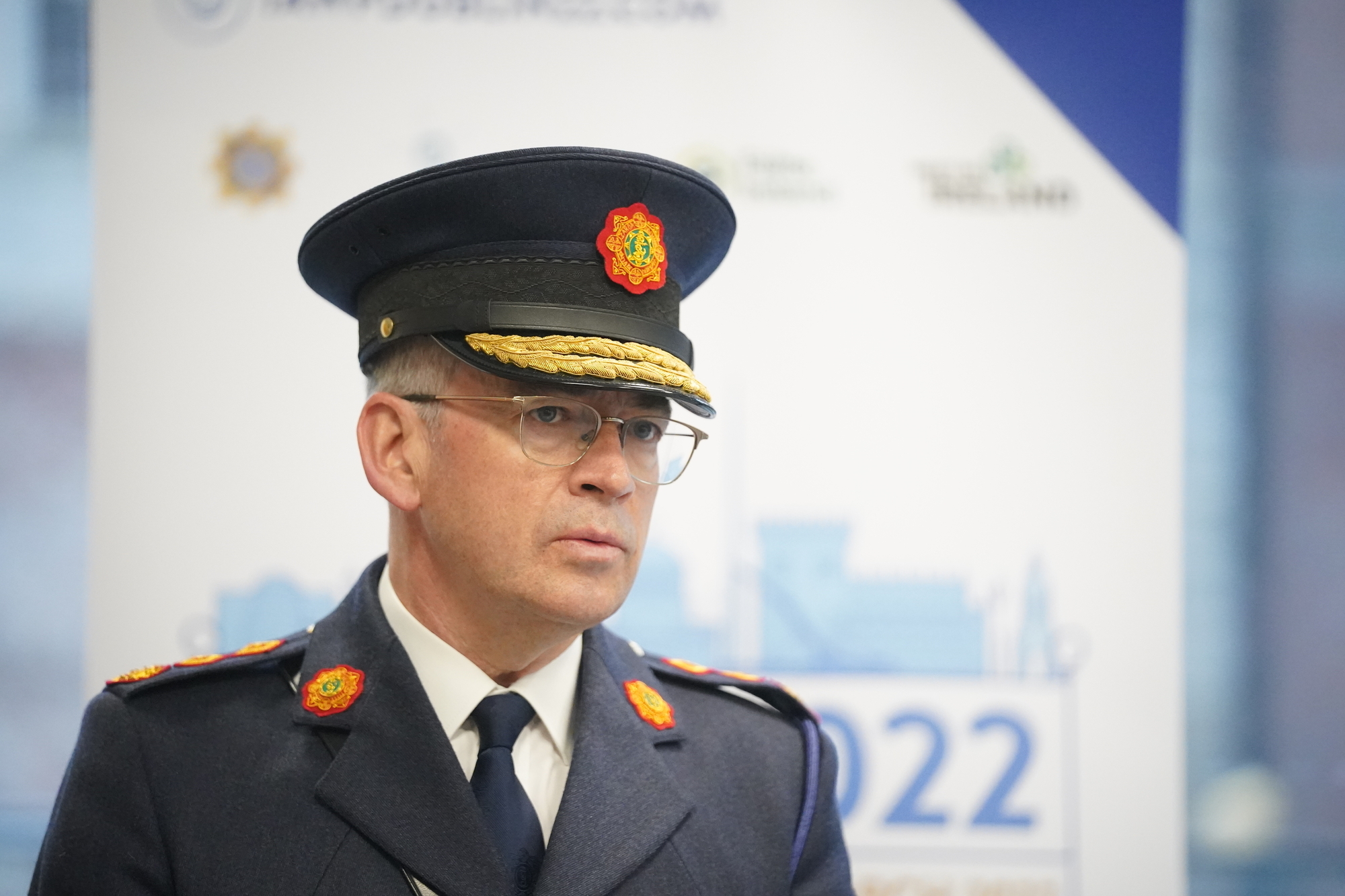
Garda Commissioner Drew Harris. File Picture
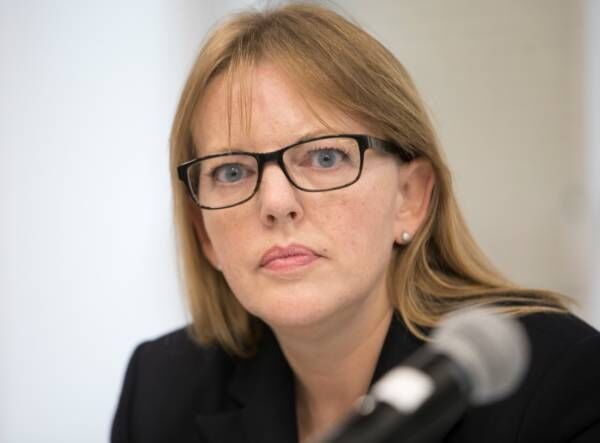
The Garda’s position that no one has the right to know about national security “has got to stop”, a former inspector of security services in the North has said.
Alyson Kilpatrick also highlighted a lack of laws governing national security in Ireland or legal regulation of informants and said that the oversight bodies are “excluded” from the area.
Ms Kilpatrick worked as special legal advisor to the UK’s Independent Reviewer of Terrorism Legislation between 2016 and September 2021, after which she was appointed Chief Commissioner of the Northern Ireland Human Rights Commission.
She authored a report in 2018 that said security policing in Ireland is “completely closed to public scrutiny”, with serious concerns on compliance with human rights law.
Speaking at a major cross-border policing conference in Dublin, she said An Garda Síochána is “still defensive” and not used to openness or engaging with the public or with oversight.
She said there is an “infuriating habit” in the Gardaí, and in the PSNI, of hoping that concerns or crises will “go away” and cited the response she got to her critical report in 2018.
She said the Garda response – stating the force is committed to human rights – is “just a platitude” and said “people are tired” of this approach and want proper engagement.
She added: “This 'hands up - its national security’ - has got to stop.” Ms Kilpatrick said she cannot find any law on national security in Ireland and that there were only judicial decisions.
She said there still isn’t a regulatory regime for CHIS (Covert Human Intelligence Sources), the technical word for informants, which she said is “surprising”.
In addition, she said the oversight bodies, GSOC and the Policing Authority, are “excluded” from national security.
She said that from her work as reviewer in the North, people working in security can become isolated and feel they are misunderstood and their work under-appreciated.
The conference she added, organised by the Irish Council for Civil Liberties and the Committee for the Administration of Justice, is largely focused on the General Scheme of the Policing, Security and Community Safety Bill.
This proposes the establishment of an Independent Examiner of Security Legislation, modelled on the UK and Australian model.
Ms Kilpatrick said the UK Independent Reviewer David Anderson, who also addressed the conference, is the right person because he is trusted.
She said if he hadn’t been the right person the position would have achieved “practically nothing and would even have been counter-productive”.
Mr Anderson said his function is to be a “gadfly on the skin” of security services, representing both the public and the parliament.
He said that to be a “really good monitor” you need technical staff of your own, that will be thorough and have the necessary skills.
He said you get “much more buy in” from security and policing services once they know you have this expertise.
Senior garda sources told the Irish Examiner that public scrutiny of national security is based on legislation and that any changes to that is up to the legislators.
It was pointed out that the Garda Commissioner is currently accountable on matters of national security to the Minister of Justice.
In addition, the organisation provides briefings to the National Security Analysis Centre in the Department of the Taoiseach.

CONNECT WITH US TODAY



Be the first to know the latest news and updates