Bar of Ireland marks 100 years since first female barristers
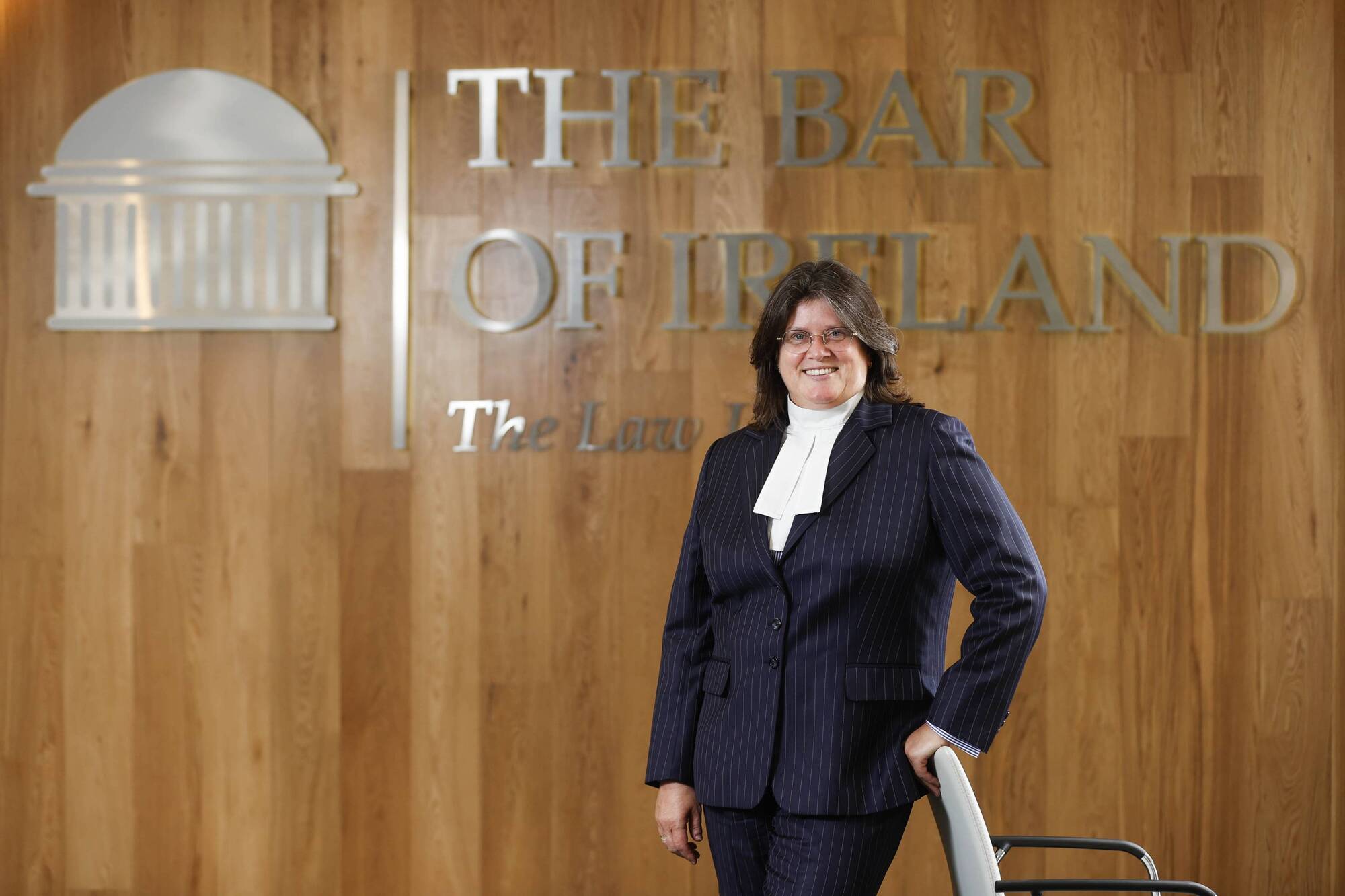
Chair of the Council of The Bar of Ireland Maura McNally SC: 'Over the course of the last 100 years, women have taken their place as achievers and leaders of Irish society, and in the field of justice and law.' Picture: Conor McCabe Photography
As the Bar of Ireland celebrates the centenary anniversary of the first female barristers in Ireland, 100 years later, females remain under-represented, particularly in senior positions.
In 1919, the Sex Disqualification (Removal) Act 1919 enabled women to join the legal, accountancy and veterinary professions, and also take up senior roles within the civil service for the first time.
Prior to 1919, under the common law, women were not considered to be “persons” for the purposes of entering most professions, or from holding civil or judicial office.
Frances Kyle BL and Averil Deverell BL were the first women to be called to the Irish Bar on November 1, 1921.
100 years ago today, two women stepped forward, breaking through to be the first female barristers to join the profession.
— The Bar of Ireland (@TheBarofIreland) November 1, 2021
100 years of women at The Bar of Ireland - leaders & trailblazers - serving justice, and making history.https://t.co/1SfLArewSC
“Over the course of the last 100 years, women have taken their place as achievers and leaders of Irish society, and in the field of justice and law,” said Maura McNally SC, chair of the Council of The Bar of Ireland.
“It is no coincidence that the increasing presence of women within the legal profession from the 1970s onwards coincided with increasing liberalisation of laws in favour of women, such as the removal of the marriage bar, the availability of family planning services, a fairer taxation of married women’s salaries, repeal of the 8th Amendment and the availability of legal aid in civil and family matters.
"There are changes that can be said to have been predicated upon the commencement of the Sex Disqualification (Removal) Act in 1919,” she said.
However, gender equality has still not been achieved, particularly in more senior roles. In 1937, only 2% of practising barristers were female. This proportion rose over the following 60 years, but has continued to hover at about 35-40% since the turn of the millennium.
Today at The Bar of Ireland, 760 (36%) of all members are female. 696 (40%) are junior barrister, while only 64 have progressed on to ‘take silk’, which makes up 18% of senior counsel.
To commemorate the centenary, November’s issue of the pays tribute to women in law through the years, and looks at the Bar’s efforts to increase diversity and inclusion.
It includes an interview with Oonagh McPhillips, secretary general at the Department of Justice, one of only four women at this grade in the civil service at present, and one of fewer than a dozen at this level in the last 100 years.
It also surveys the experiences of the 12 women who sit on the Council of The Bar of Ireland which, for the first time in its history has an equal number of male and female members.
Council members highlighted issues for practising women which still exist, such as the tendency to be "pigeon-holed" into certain areas of law, in particular family law, and a lack of networking opportunities for women caring for young children out of hours, or without “old school tie” networks that still exist among the male members of the profession.
CONNECT WITH US TODAY



Be the first to know the latest news and updates