Stalking victims welcome moves to make it a criminal offence

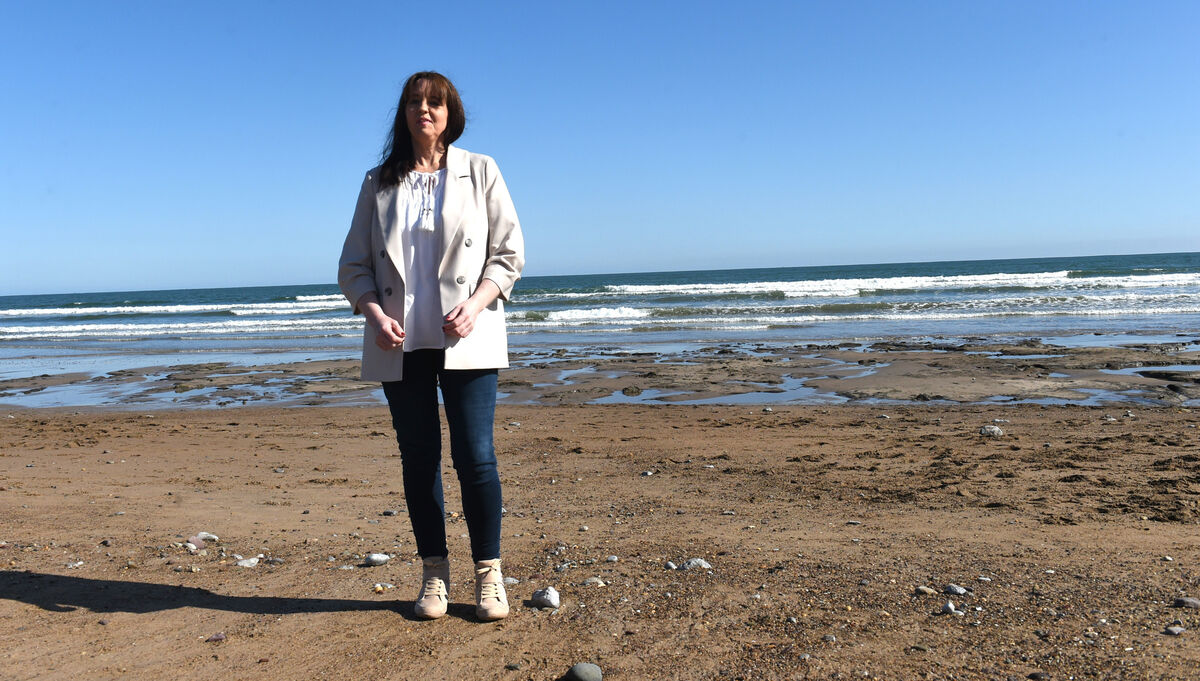
Eve McDowell welcomed the move.
Picture: James Connolly
The two women who are spearheading a campaign to criminalise stalking have welcomed moves to introduce an offence of stalking into Irish law.
Una Ring, from Cork, and Eve McDowell, from Sligo, who both survived sinister stalking incidents, described Senator Lisa Chamber’s introduction in the Seanad yesterday of a bill to criminalise stalking, as a major step in the right direction.
“We are absolutely elated to have made this progress in such a short space of time,” they said.
“Today is a proud day and we hope there will be many more to come. A massive thank you to all involved.”
Ms Ring, from Youghal in Co Cork and Ms McDowell, were both subjected to terrifying campaigns of stalking in recent years.
Both saw their stalkers receive similar sentences, of seven years with two years suspended, after they had been convicted of harassment.
They told the in April that they were launching a major campaign to make stalking a standalone criminal offence, and they have gathered thousands of signatures in support.
The Department of Justice said the creation of a distinct offence of stalking was examined in the context of the Harassment, Harmful Communications and Related Offences Act 2020 but following consultations and an in-depth examination of the current offence of harassment, it was clear that stalking behaviour is already encompassed in the current offence of harassment under section 10 of the Non-Fatal Offences Against the Person Act 1997.
“Instead of introducing a distinct offence of stalking, section 10 of the 1997 Act was amended to increase the maximum penalty for harassment to 10 years’ imprisonment to reflect the harm caused by those who engage in the most serious forms of harassment," it said.
But yesterday, Ms Chambers, who has introduced the Non-Fatal Offences Against the Person (Amendment) (Stalking) Bill 2021 in the Seanad, said she hopes to change the department's mind.
She said she had been moved by listening to the experiences of Ms Ring and Ms McDowell and agrees with them that the law needs to be strengthened.
She said she has received cross-party indications of support and that she hopes to move the bill to second stage in the autumn.
She pointed out that in its 2016 report on Harmful Communications and Digital Safety, the Law Reform Commission recommended that specific stalking offence should be enacted.
The commission said that stalking is an aggravated form of harassment characterised by repeated, unwanted contact that occurs as a result of fixation or obsession and causes alarm, distress or harm to the victim.
This element of intense obsession or fixation, which creates an unwanted intimacy between the stalker and the victim, differentiates stalking from harassment.
Specific stalking offences were introduced in Scotland, England and Wales in 2010 and 2012 respectively.
CONNECT WITH US TODAY



Be the first to know the latest news and updates