Government efforts to tackle drug use 'will not succeed' without action to address alcohol consumption
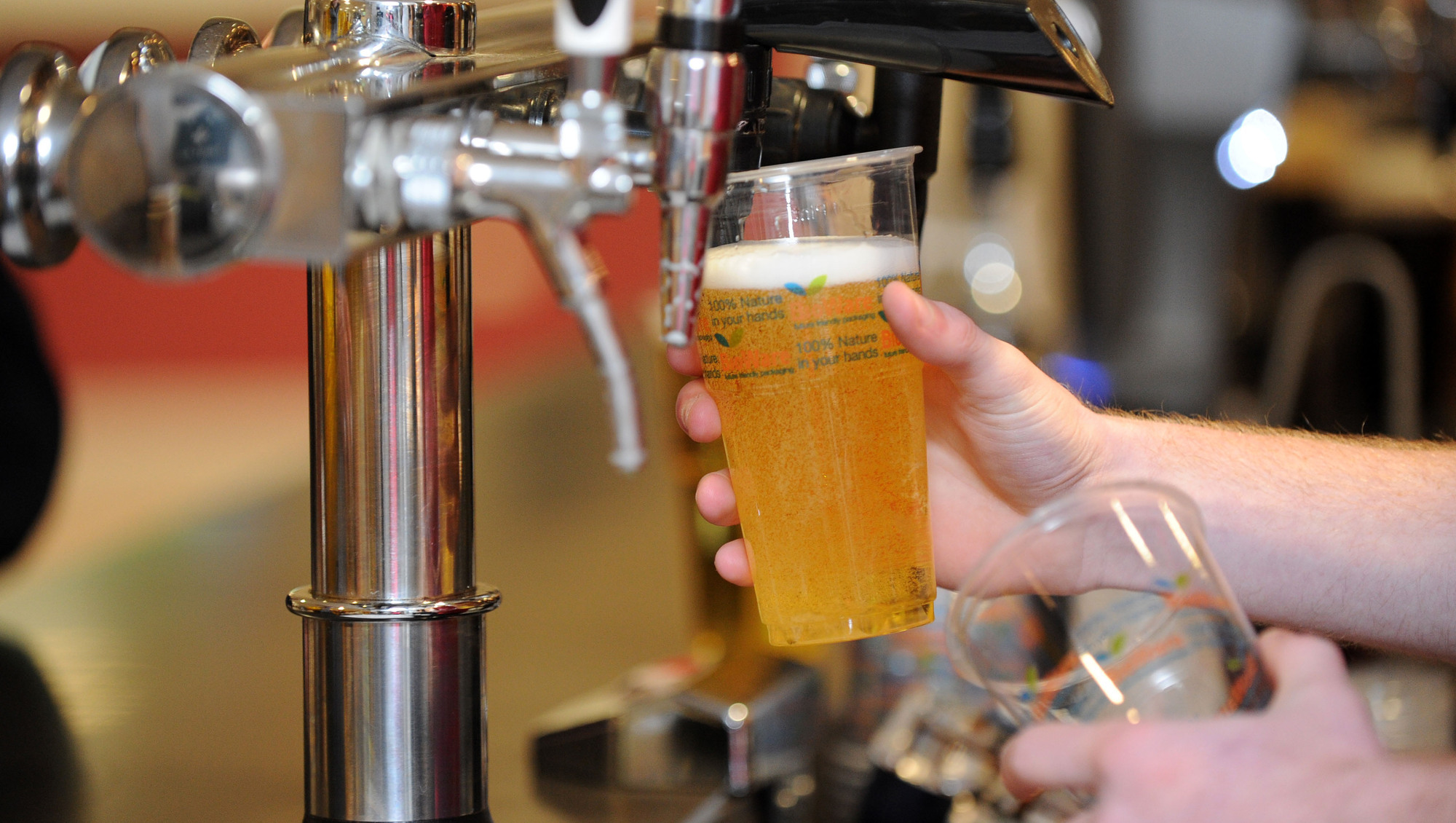
Alcohol Action Ireland has called for actions designed to tackle illegal drug use to be more closely aligned with alcohol consumption.
Alcohol Action Ireland has warned that unless the Government does more to tackle alcohol consumption and treat it as a “gateway drug”, its attempts to reduce illegal drug use will fail.
The national advocacy service for reducing alcohol harm has called for actions designed to tackle illegal drug use to be more closely aligned with alcohol consumption.
The charity has also called on Government to speed up health labelling on alcohol products and to increase excise duties in alcohol for the first time since 2014.
A report that reviewed more than 100 different studies found alcohol was a key driver of illegal drug use.
Alcohol Action Ireland chief executive Sheila Gilheany said: “The evidence presented in this report shows that alcohol is frequently a driver of the consumption of other drugs and that in combination, there are even more risks and harms arising from this practice.
“National and international evidence strongly indicates that the ‘best buys’ to reduce alcohol harm are measures to address pricing, marketing, and availability.
“An important benefit of such an approach is the likely reduction in the consumption of other drugs.”
Ms Gilheany said what was urgently required was cross-governmental support and “a fundamental understanding of the role of alcohol within illegal drug use".
Although the requirement for health labels on alcohol products was passed in 2018 — as a measure in the Public Health (Alcohol) Act 2018 — the relevant section was not formally signed into law until May 2023.
Read More
Alcoholic drink companies were given until May 2026 to label all their products with warnings about the link between cancer and alcohol.
But this deadline was pushed back to September 2028 amid Government concerns labelling would undermine Irish trade competitiveness internationally.
Addressing issues around pricing, marketing and availability, Ms Gilheany said: “Slow implementation of the modest measures within the Public Health (Alcohol) Act 2018 means that this legislation has not yet achieved its full potential.
“Meanwhile, other areas of Government seek to support the alcohol industry, including delaying measures such as controls on advertising and on health information labelling.
The charity is calling for an increase in excise duties in Budget 2027.
“Duties have not changed since 2014, meaning alcohol is becoming even more affordable, which is a significant driver of alcohol consumption,” she added.
The report points out analysis of data from the ‘Growing Up in Ireland’ study indicates early onset alcohol use is the most prominent predictor of cocaine use by 20-year-olds.
CONNECT WITH US TODAY



Be the first to know the latest news and updates