GPs should get tax incentives to open new practices, Irish Medical Organisation says

In its pre-budget submission, the IMO called on the Government to introduce tax incentives for investment in general practice.
GPs should get tax incentives to build and open new practices to help tackle the shortage of GPs in many areas, the Irish Medical Organisation has urged.
It also called for construction of public healthcare facilities to be designated as critical infrastructure. This could see building projects progress faster and conclude more quickly.
The IMO represents doctors working across the health service, including GPs.
In its pre-budget submission, it called on the Government to introduce tax incentives for investment in general practice.
This could allow individual doctors who invest in their infrastructure to write off the cost of such investment against tax over a defined period of time.
It said this should be available for individual GPs rather than corporate entities.
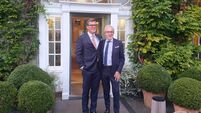
Professor Matthew Sadlier, president of the IMO and consultant psychiatrist, said: "It is prohibitively expensive for GPs to invest in practice infrastructure.
“And they must be supported through tax incentives and through dedicated funding for rural and deprived areas.”
He called for this move to be seen as a priority in next year’s health budget.
Read More
The IMO also called for an increase in dedicated funding for GP practices in rural areas and practices based in urban deprived areas.
Patients, especially in rural areas including across West Cork and Kerry as well as parts of Waterford and Tipperary, regularly face GP shortages.
Separate analysis earlier this year by the Irish College of GPs found most GPs are not taking on new patients, indicating a severe shortage of doctors continues.
On Friday, the IMO also called for the Critical Infrastructure Act 2026 to be expanded to include healthcare construction.
It argued this would help to “streamline the development and building of vital healthcare infrastructure” around the country.
It noted the Government last year pledged to spend €9.25bn on health capital projects over the next five years.
The doctors cautioned, however, “the pace of investment is too slow”.
It pointed to delays with building the new surgical hubs and elective hospitals as examples of this.
Plans for the elective hospital in Cork, for example, have been plagued by delays.
On Friday, the IMO also called for multi-annual funding to cover the whole health service. This could help, it said, reduce under-budgeting, overspending and cost-cutting.
Prof Sadlier said: “The Government must use this opportunity to finally put an end to the annual charade of setting an unrealistically low budget which will inevitably lead to overspending and the unfair castigation of the medical workforce who are working themselves to burnout in a system that is completely unfit for purpose.”
He called for annual budget targets to be eliminated, saying instead the Government should move to a multi-annual realistic approach.
“If we do not do this, then nothing will ever change,” he warned.
“Doctors will continue to work in an inefficient system, budgets will continue to be overrun, and patients will bear the consequences.”
He stressed safe staffing and increased bed capacity are key issues for change.
“Without the requisite number of doctors and beds, our health system will be stuck in neutral without any chance of improvement,” he said.
“If we want a better health system, then the basics need to be addressed first.”

CONNECT WITH US TODAY



Be the first to know the latest news and updates