Significant increase in children experiencing school anxiety and avoidance
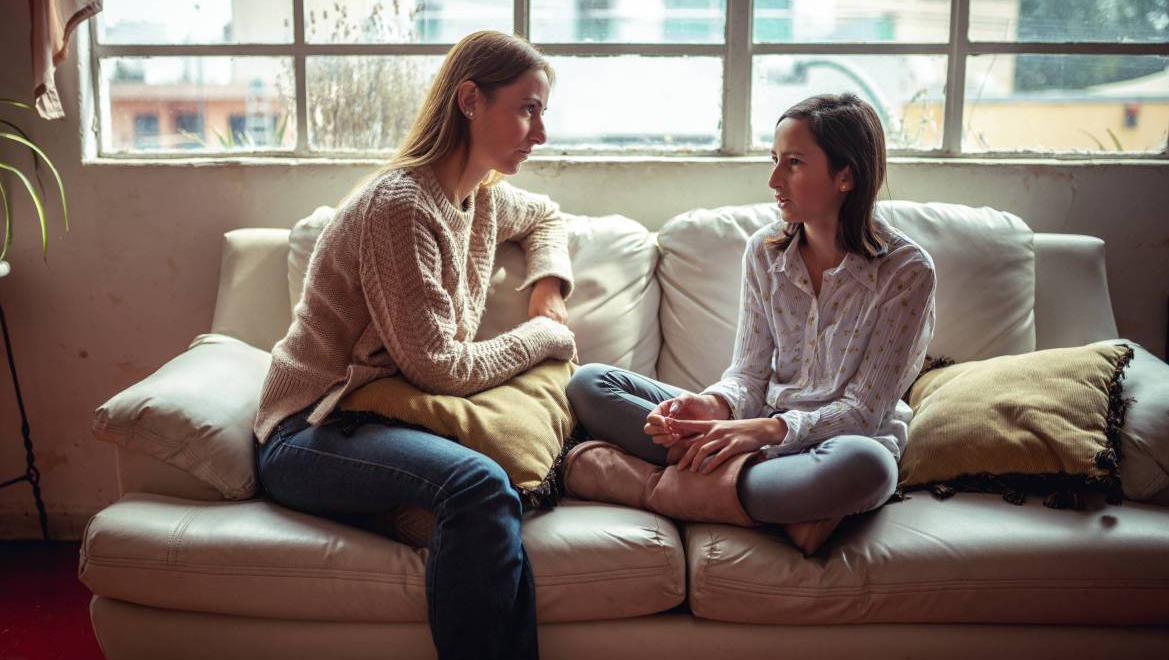
More than one fifth (21%) of parents of primary school children and one third of parents of secondary school students said their child refused or avoided attending school at least once a month. Picture: File
There has been a significant increase in the number of children experiencing school anxiety and school avoidance, children's charity Barnardos has warned, with many parents reporting their child has difficulty attending regularly.
The children's charity made the warning as it publishes its back-to-school survey on Tuesday, featuring responses from more than 700 parents.
It called for improved access to educational needs assessments and greater targeted supports to address educational disadvantage.
More than one fifth (21%) of parents of primary school children and one third of parents of secondary school students told Barnardos their child refused or avoided attending school at least once a month.
Almost half (46%) of parents said their child missed school for non-health/medical reasons on one or two occasions last year. A further 11% of primary school parents and 13% of post-primary parents said this occurred more than five times.
More than half of parents of primary school children with special educational needs (56%) and almost two-thirds of parents of secondary school students with additional needs (63%) said their child had only some, or none, of the supports needed to engage fully in school.
Among parents whose children had refused or avoided school, anxiety was identified as the main factor by 52% of primary school parents and 42% of post-primary parents.
Read More
Other factors cited included struggling to engage in school, difficulties with peers, struggles with routines, and experiences of bullying.
Parents suggested additional supports and guidance for parents around school avoidance, as well as child-centred and individualised approaches within schools to help tackle the issue.
Some parents believed their child faced too much pressure, while others suggested more space for children to regulate themselves before going into classrooms.
Nearly half of parents of primary school children (48%) and 53% of parents of post-primary students whose children had received an assessment said they had been waiting more than a year for actual support.
A further 71% of primary school parents and 74% of secondary school parents with a child who had educational needs said they were not in a position to pay for a private assessment and support.
Barnardos national policy manager Stephen Moffatt said: "We frequently work with children and young people who are struggling with school refusal, often related to increased anxiety and parental adversities such as poor parental mental health, domestic violence, or addiction.
"A significant proportion of families we work with report difficulties accessing the necessary assessments and supports for their children to help them engage fully with education.”

CONNECT WITH US TODAY



Be the first to know the latest news and updates