Boys three times more likely than girls to be diagnosed as autistic
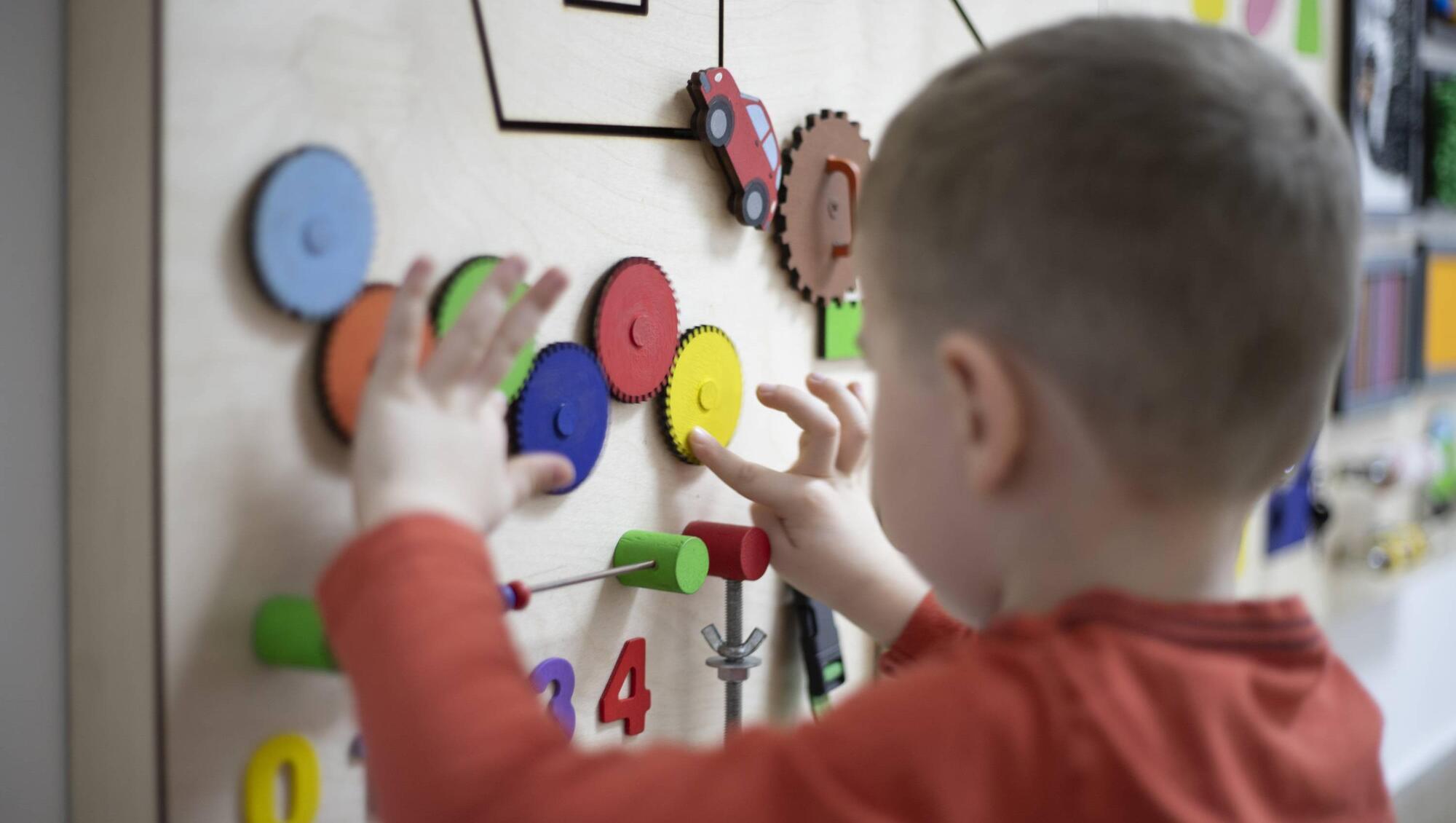
The CSO survey found that parents of more than one in 20 children considered their child’s general health to be fair, bad, or very bad. Stock picture
Boys aged between three and 14 were three times more likely than girls to be diagnosed as autistic.
That is according to the CSO's Irish Health Survey, which examined children’s health in 2025.
The survey of parents, whose children are aged three to 14, found that nearly one in 10 boys (9.3%) were diagnosed as autistic, compared with girls at 3.2%.
It found that parents of more than one in 20 children considered their child’s general health to be fair, bad, or very bad.
The CSO said the lowest rate of children being diagnosed as autistic was 3.8% in the west and north-west, while the highest rate is in the mid-west at 8.1%.
In the south-west region encompassing Cork and Kerry, there was a 6.2% rate of diagnosis.
The organisation said it was “important to note that the prevalence of a diagnosis does not necessarily reflect the prevalence of the underlying condition".
The CSO said the diagnosis of ADHD among children aged three to 14 was “less prevalent” than the diagnosis of autism, with 2.7% of boys and 2% of girls being given a diagnosis.
The survey found that one in 16 children needed a medical examination or treatment on at least one occasion during the last 12 months but had not received it.
Parents and guardians reported that reasons why their children were not able to receive treatment were due to “affordability, waiting list times, distance to travel, or unable to take time due to other commitments".
Meanwhile, one in four boys aged nine to 12 reported having very bad, bad, or fair dental health.
The CSO said this was the highest proportion of any group.
One in 20 children (4.9%) who then needed dental examination or treatment at least once had also not received it.
The survey also examined children's screen time. Some 80% of children aged 13-14 spent an hour or more a day watching television, films, or video. At least 75% of 9-12-year-olds were reported doing the same, while six in 10 children aged 3-8 spent the same time doing so.
At weekends, the figures increased for two age groups, according to the data, with 83.4% of 9-12-year-olds and over 70% of 3-8-year-olds spending over an hour watching screens.

CONNECT WITH US TODAY



Be the first to know the latest news and updates